Introduction
If you have noticed your pet bird pulling out its own feathers, you are probably worried and wondering what is going on. Feather plucking is one of the most common and frustrating problems that bird owners face. It can start with just a few loose feathers but may eventually turn into severe feather loss if the underlying cause is not identified.
Many people assume birds pluck their feathers because they are bored, but the truth is much more complicated. Feather plucking can happen because of health problems, emotional stress, poor diet, lack of mental stimulation, or environmental issues. Understanding the real reason is the first step toward helping your bird recover.
In this guide, you will learn why birds pluck their feathers, how to recognize the warning signs, and what you can do to prevent or stop this behavior. With proper care and patience, many birds can improve and enjoy a healthier, happier life.
What Is Feather Plucking?
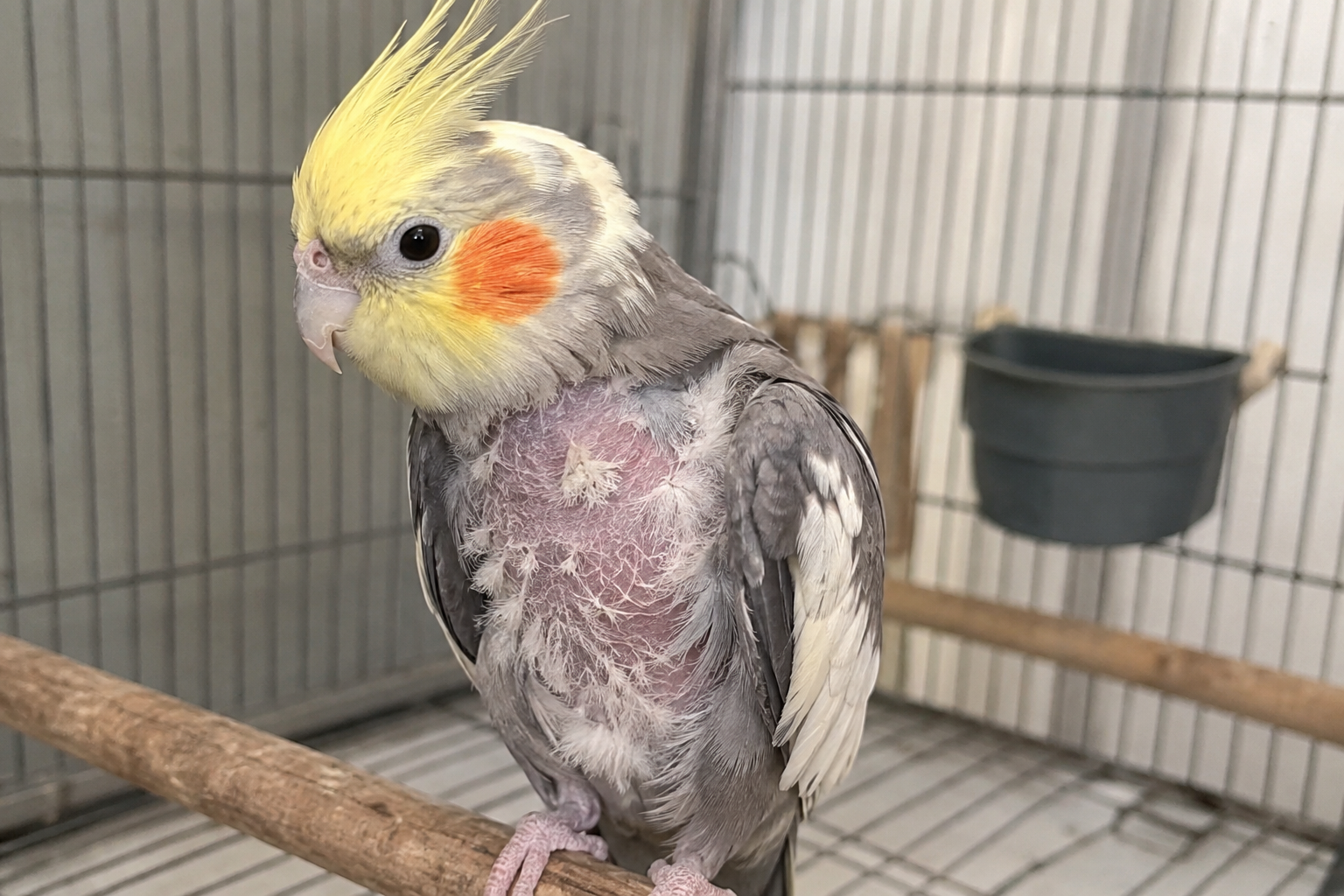
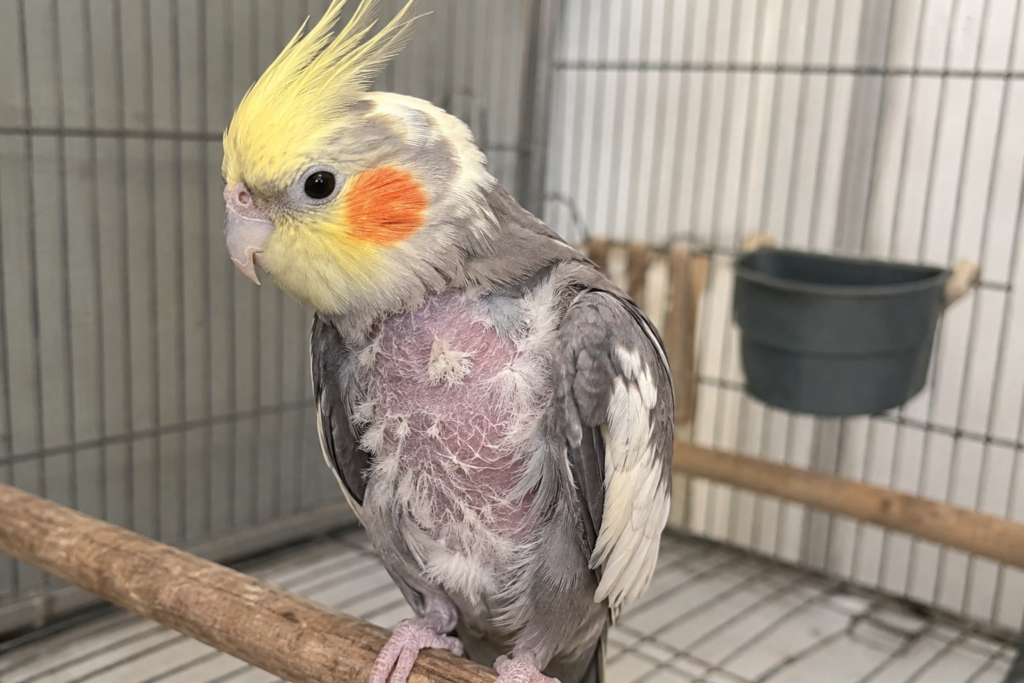
Feather plucking is a behavior where a bird intentionally pulls out, chews, or damages its own feathers. Unlike normal molting, feather plucking leaves uneven patches, broken feathers, or even bare skin.
Molting is a natural process that allows birds to replace old feathers with new ones. During molting, feathers fall out gradually and grow back over time. Feather plucking, however, is abnormal and often points to a physical or emotional problem.
Some birds only damage the tips of their feathers, while others remove feathers completely. In severe cases, birds may even injure their skin.
Common Reasons Why Birds Pluck Their Feathers
There is rarely a single reason behind feather plucking. Several factors can contribute to this behavior.
Stress and Anxiety
Stress is one of the leading causes of feather plucking in pet birds. Birds are intelligent animals that are sensitive to changes in their environment.
Stress may be caused by moving to a new home, changes in family routines, loud noises, lack of sleep, new pets, or even the loss of a companion bird.
A stressed bird may begin plucking as a way to cope with emotional discomfort.
Boredom and Loneliness
Pet birds require mental stimulation every day. Birds left alone for long hours without interaction often become bored.
Without toys, activities, or social interaction, many birds develop destructive habits. Feather plucking becomes a way to occupy themselves when they have nothing else to do.
Parrots, cockatoos, African greys, and macaws are especially prone to boredom because they are highly intelligent.
Poor Nutrition
A balanced diet is essential for healthy feathers.
Birds that eat mostly seeds often miss important vitamins, minerals, and proteins needed for feather growth. Nutritional deficiencies can cause dry skin, weak feathers, and discomfort that encourages feather plucking.
Fresh vegetables, fruits, quality pellets, and occasional healthy treats provide the nutrients necessary for healthy skin and feathers.
Skin Irritation
Sometimes feather plucking begins because the bird feels itchy or uncomfortable.
Dry air, skin infections, parasites, allergies, or poor feather condition may cause irritation. Instead of relieving the itch, plucking usually makes the problem worse.
If your bird frequently scratches or appears uncomfortable, a veterinary examination is recommended.
Medical Conditions
Several health problems can trigger feather plucking.
Liver disease, kidney disease, thyroid disorders, bacterial infections, fungal infections, hormonal changes, and internal pain may all contribute to abnormal feather removal.
Because birds naturally hide signs of illness, feather plucking may be one of the first visible symptoms.
Hormonal Changes
During breeding season, some birds experience hormonal changes that affect their behavior.
These hormonal shifts may increase stress, aggression, nesting behavior, or feather destruction. While hormones can play a role, they are rarely the only reason behind feather plucking.
Lack of Sleep
Pet birds need around 10 to 12 hours of uninterrupted sleep each night.
Birds that stay awake because of television, bright lights, or household activity may become stressed and tired. Poor sleep weakens their immune system and increases behavioral problems.
Creating a quiet sleeping environment helps maintain emotional balance.
Which Birds Are Most Likely to Pluck Feathers?
Although any bird can develop this behavior, some species are more likely than others.
Cockatoos are among the most common feather pluckers because they form strong emotional bonds with their owners.
African Grey parrots may pluck due to anxiety or environmental changes.
Macaws sometimes pluck when they become bored or lack social interaction.
Cockatiels, lovebirds, conures, and Amazon parrots can also develop feather plucking if their physical or emotional needs are not met.
Signs of Feather Plucking
Recognizing the early signs can help prevent the behavior from becoming severe.
Common signs include missing feathers around the chest, legs, wings, or neck.
You may notice broken feather shafts, damaged feathers, or bald patches.
Some birds constantly chew their feathers instead of pulling them out completely.
Excessive preening throughout the day is another warning sign.
In advanced cases, birds may injure their skin and develop sores.
How to Stop a Bird from Plucking Its Feathers
Stopping feather plucking requires patience because the behavior often develops over weeks or months.
Visit an Avian Veterinarian
The first step is scheduling an examination with an avian veterinarian.
A complete health check can identify infections, nutritional deficiencies, parasites, or other medical conditions that require treatment.
Never assume feather plucking is purely behavioral without ruling out illness.
Improve Your Bird’s Diet
Nutrition plays a major role in feather health.
Offer a high quality pellet as the main diet along with fresh vegetables such as carrots, broccoli, spinach, and bell peppers.
Provide fruits in moderation and avoid feeding only seed mixes.
Healthy nutrition supports feather regrowth and overall health.
Provide Mental Stimulation
Birds need daily activities that challenge their minds.
Rotate toys every few weeks to keep them interesting.
Offer puzzle toys, foraging toys, climbing ropes, swings, and shredding materials.
Teaching simple tricks and spending time talking to your bird also reduces boredom.
Increase Social Interaction
Many pet birds crave attention from their owners.
Spend quality time with your bird every day.
Talk, train, play, or simply allow your bird to sit near you while supervised.
Positive interaction builds trust and reduces loneliness.
Create a Comfortable Environment
Maintain a stable daily routine.
Keep the cage clean and place it in an area where your bird feels safe without constant loud noise.
Provide proper humidity if your home is very dry.
Allow your bird regular bathing opportunities to maintain healthy skin.
Avoid Punishment
Never yell at or punish a bird for feather plucking.
Punishment increases fear and anxiety, making the problem even worse.
Instead, reward calm behavior and provide positive distractions when your bird begins excessive preening.
Can Feathers Grow Back?
In many cases, yes.
If the feather follicles remain healthy and the underlying problem is corrected, feathers usually grow back during the next molt.
However, birds that have plucked for years may permanently damage their feather follicles.
Early treatment greatly improves the chances of full feather regrowth.
Preventing Feather Plucking
Prevention is much easier than treatment.
Feed a balanced diet from the beginning.
Provide daily exercise outside the cage in a safe area.
Keep your bird mentally stimulated with toys and training sessions.
Allow enough sleep every night.
Schedule regular veterinary checkups.
Spend quality time with your bird every day so it feels secure and emotionally healthy.
Frequently Asked Questions
Is feather plucking normal during molting?
No. Molting is natural, but birds should not pull out their own feathers. Feather plucking is considered abnormal and usually signals an underlying issue.
Can boredom alone cause feather plucking?
Yes. Birds that lack toys, social interaction, and mental stimulation may begin feather plucking, especially intelligent parrot species.
Should I cover my bird’s cage all day?
No. Birds need natural daylight and interaction. Cover the cage only during sleeping hours to provide a quiet, dark environment for restful sleep.
Can feather plucking be completely cured?
Some birds recover completely after the underlying cause is treated. Others may continue the habit occasionally, especially if it has existed for a long time. Early intervention provides the best results.
Conclusion
Understanding why birds pluck their feathers is the key to helping your pet recover. Feather plucking is not simply a bad habit. It is often a sign that something is wrong with your bird’s health, environment, or emotional well being. Stress, boredom, poor nutrition, illness, and lack of social interaction are among the most common causes.
The good news is that many birds improve with proper veterinary care, a healthy diet, mental enrichment, and consistent attention from their owners. By identifying the cause early and making positive changes, you can help your bird grow healthy feathers again and enjoy a happier, more comfortable life.