If you own a pet bird, learning how to recognize stress in pet birds is one of the most important parts of responsible bird care. Birds are excellent at hiding illness and emotional discomfort because, in the wild, showing weakness can make them easy targets for predators. That means by the time a bird displays obvious signs of stress, the problem may already be serious.
Every bird experiences stress from time to time. A change in routine, loud noises, a new environment, or even boredom can affect your bird’s emotional well being. The good news is that if you know what to watch for, you can identify stress early and help your feathered friend feel safe and comfortable again.
In this guide, you will learn the most common signs of stress in pet birds, what causes stress, and practical ways to reduce it so your bird can live a happier and healthier life.
Why Stress Is Dangerous for Pet Birds
Stress is more than just a temporary emotional response. When stress continues for days or weeks, it can weaken your bird’s immune system, reduce appetite, affect behavior, and even lead to serious health problems.
A stressed bird may stop eating properly, become aggressive, pull out its feathers, or lose interest in playing. Long term stress can also increase the risk of infections and make recovery from illness more difficult.
Recognizing stress early gives you the opportunity to remove the cause before it affects your bird’s overall health.
Common Signs of Stress in Pet Birds
Every bird has its own personality, but certain behaviors often indicate that something is wrong.
Feather Plucking
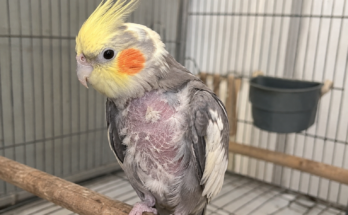
One of the most well known signs of stress is feather plucking. Birds may pull out feathers from their chest, wings, or legs because they are anxious, bored, lonely, or uncomfortable.
Occasional grooming is normal, but repeated feather pulling should never be ignored.
Loss of Appetite
Healthy birds usually enjoy eating throughout the day. If your bird suddenly refuses food or eats much less than normal, stress could be the reason.
Weight loss can happen quickly in birds, so any major change in eating habits deserves attention.
Excessive Screaming
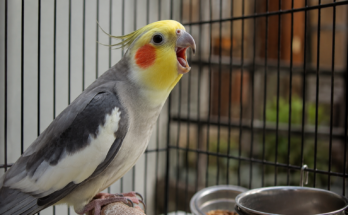
Birds naturally make noise, especially during morning and evening hours. However, nonstop screaming without an obvious reason may indicate stress or frustration.
Some birds scream because they feel lonely, scared, or are trying to get attention.
Aggressive Behavior
A normally friendly bird may suddenly start biting, lunging, or attacking hands if it feels stressed.
Aggression often develops when birds feel threatened or insecure.
Hiding or Becoming Quiet
Not every stressed bird becomes noisy. Some birds react in the opposite way.
A bird that suddenly becomes unusually quiet, avoids interaction, or hides in one corner of the cage may be experiencing emotional distress.
Rapid Breathing
Heavy breathing while resting can be a warning sign.
Although breathing problems may also indicate illness, stress can sometimes cause temporary rapid breathing after frightening experiences.
Feather Fluffing
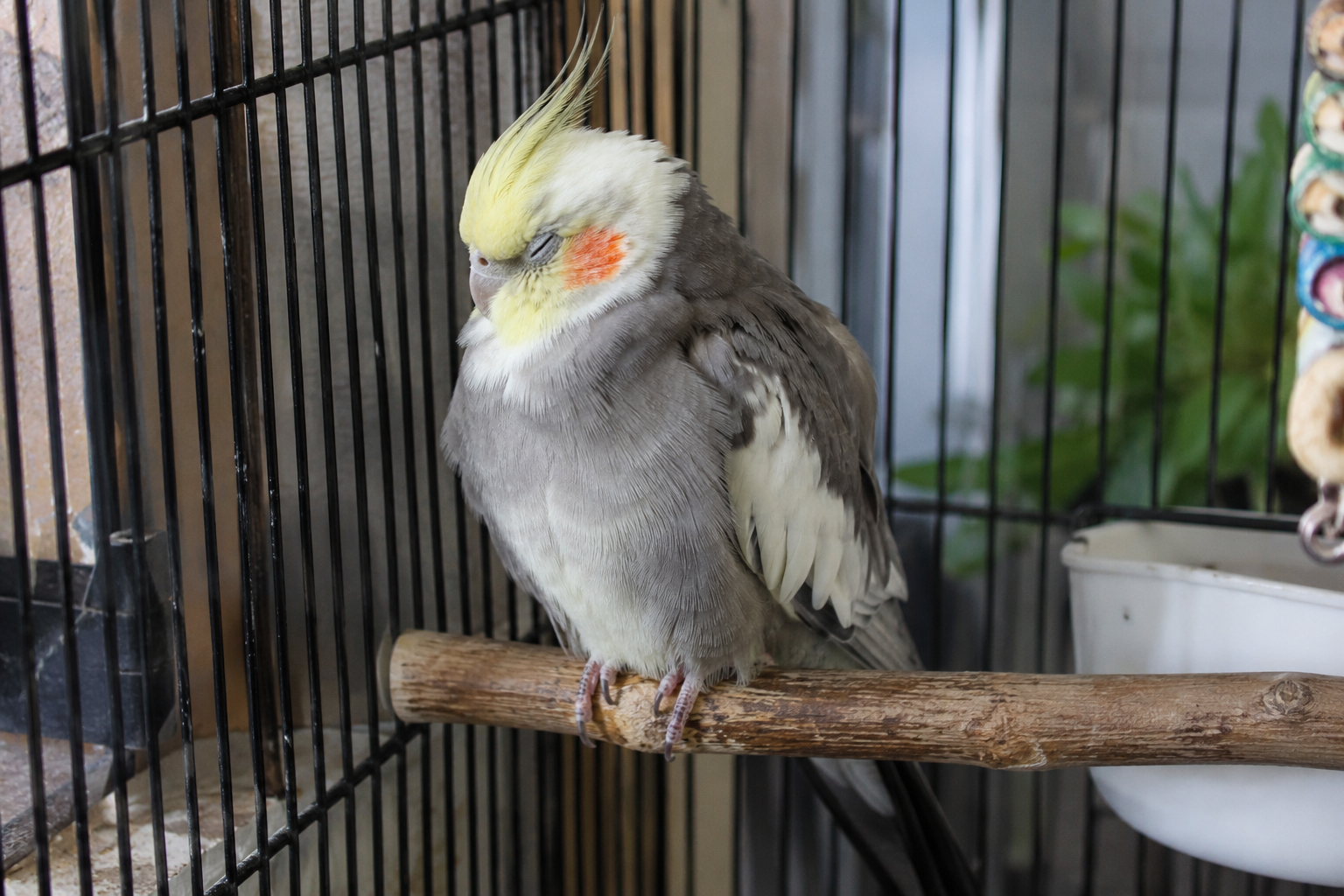
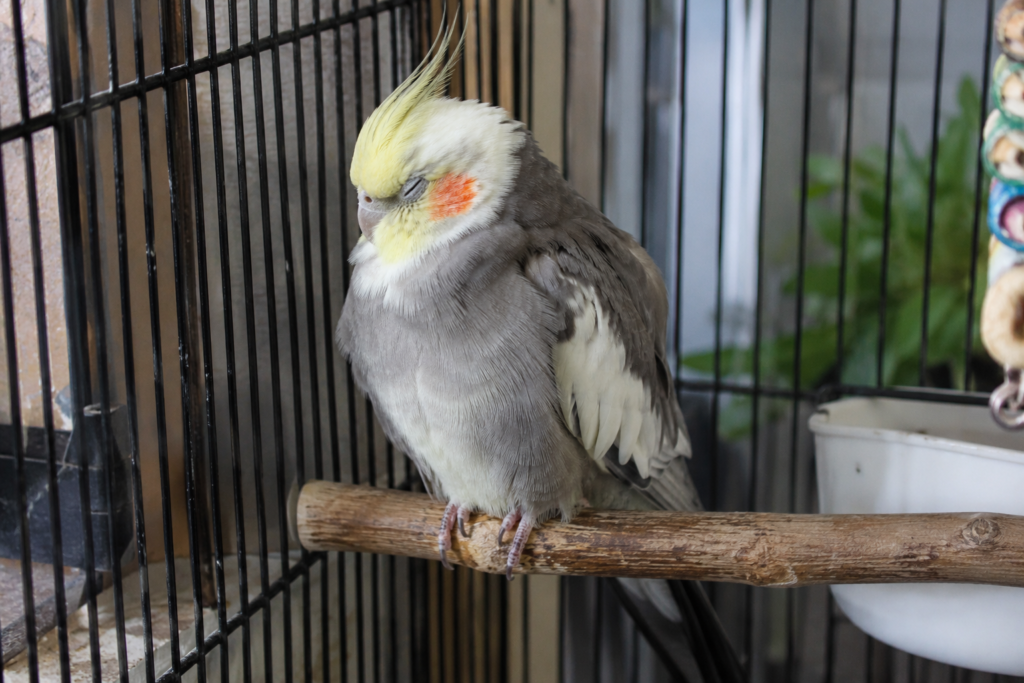
Birds often fluff their feathers when relaxing or sleeping. However, remaining fluffed up for long periods while appearing inactive may signal stress or illness.
Repetitive Behaviors
Some stressed birds repeatedly pace back and forth, bob their heads constantly, or climb around the cage without stopping.
These repetitive actions often develop when birds lack mental stimulation.
What Causes Stress in Pet Birds?
Understanding the cause makes it much easier to solve the problem.
Sudden Changes in Environment
Birds love routine.
Moving the cage, changing rooms, buying a new cage, or bringing home new furniture can make some birds nervous.
Try introducing changes gradually whenever possible.
Loud Noises
Construction work, fireworks, vacuum cleaners, loud music, barking dogs, and shouting can frighten birds.
Constant exposure to loud sounds increases anxiety over time.
Lack of Social Interaction
Many pet birds are highly social animals.
Parrots, cockatiels, conures, and budgies often enjoy spending time with their owners.
Birds left alone for many hours every day may become lonely and stressed.
Small Cage Size
Birds need enough room to stretch their wings, climb, and move comfortably.
Living in a cramped cage limits natural movement and contributes to frustration.
Poor Sleep
Most pet birds require around 10 to 12 hours of uninterrupted sleep every night.
Bright lights, television, or household activity late at night can prevent proper rest.
Sleep deprivation often leads to irritability and stress.
Lack of Mental Stimulation
Birds are intelligent creatures that need daily enrichment.
Without toys, climbing opportunities, puzzles, or interaction, boredom quickly develops into stress.
New Pets or Family Members
Adding another bird, a dog, a cat, or even welcoming a new baby into the home changes the environment.
Some birds adapt quickly while others need time to feel comfortable again.
Poor Diet
Nutrition plays an important role in both physical and mental health.
A diet made up entirely of seeds may not provide enough nutrients for long term health.
Balanced nutrition supports better energy levels and overall well being.
Physical Signs That May Accompany Stress
Stress sometimes causes physical changes that owners can notice.
These may include:
- Weight loss
- Dull feathers
- Feather damage
- Reduced activity
- Drooping wings
- Constant scratching
- Poor grooming
- Changes in droppings
Remember that many of these signs can also indicate illness. If symptoms continue for more than a day or two, consult an avian veterinarian.
How to Reduce Stress in Pet Birds
Fortunately, there are many simple ways to help your bird relax.
Keep a Consistent Routine
Feed your bird at similar times every day.
Maintain regular sleep schedules and predictable play sessions.
Birds usually feel safer when they know what to expect.
Provide a Spacious Cage
Choose the largest cage your home and budget allow.
Your bird should comfortably spread both wings without touching the sides.
Extra space encourages natural movement and exercise.
Offer Plenty of Toys
Rotate toys every few weeks to keep them interesting.
Include chewing toys, climbing ropes, swings, ladders, puzzle toys, and foraging activities.
Mental stimulation helps prevent boredom related stress.
Spend Quality Time Together
Daily interaction strengthens trust.
Talk softly, offer treats, practice gentle training sessions, or simply allow your bird to sit near you while you read or watch television.
Even short periods of attention make a difference.
Create a Calm Environment
Place the cage in a bright room where family members spend time, but avoid constant loud activity.
Keep the cage away from kitchens, direct sunlight, air conditioners, and drafty windows.
Ensure Proper Sleep
Covering the cage at night or moving it to a quiet room can help birds sleep without interruptions.
Adequate rest improves mood and reduces stress.
Introduce Changes Slowly
Whether changing food, toys, or cage layout, gradual adjustments help birds adapt more comfortably.
Avoid making several major changes at the same time.
How to Monitor Your Bird’s Behavior
One of the easiest ways to recognize stress is by learning what is normal for your bird.
Pay attention to:
- Daily eating habits
- Sleeping patterns
- Favorite toys
- Activity levels
- Vocal behavior
- Social interaction
- Grooming habits
When you know your bird’s normal routine, unusual behavior becomes easier to identify.
When Stress Requires Veterinary Care
Sometimes stress hides an underlying medical condition.
Contact an avian veterinarian if your bird:
- Stops eating completely
- Has difficulty breathing
- Pulls out large numbers of feathers
- Appears weak or unable to perch
- Has abnormal droppings for more than a day
- Remains fluffed up continuously
- Shows sudden weight loss
Prompt treatment can prevent minor problems from becoming serious.
Preventing Stress Before It Starts
Prevention is always easier than treatment.
Provide fresh food and clean water every day.
Clean the cage regularly to maintain hygiene.
Offer safe toys and opportunities for exercise.
Allow supervised time outside the cage whenever possible.
Give your bird attention every day and avoid unnecessary environmental changes.
Most importantly, observe your bird closely. Small behavioral changes often appear before serious problems develop.
Final Thoughts
Learning how to recognize stress in pet birds helps you become a more confident and responsible bird owner. Birds communicate through their behavior, and even small changes can reveal that something is bothering them. Watching for signs such as feather plucking, appetite loss, excessive screaming, aggression, or unusual quietness allows you to respond before stress affects your bird’s health.
By providing a stable routine, a spacious cage, healthy nutrition, mental stimulation, and regular social interaction, you can greatly reduce stress and improve your bird’s quality of life. A happy bird is active, curious, playful, and eager to interact with its surroundings. Paying attention to your bird every day is the best way to ensure it stays healthy, comfortable, and emotionally secure for years to come.