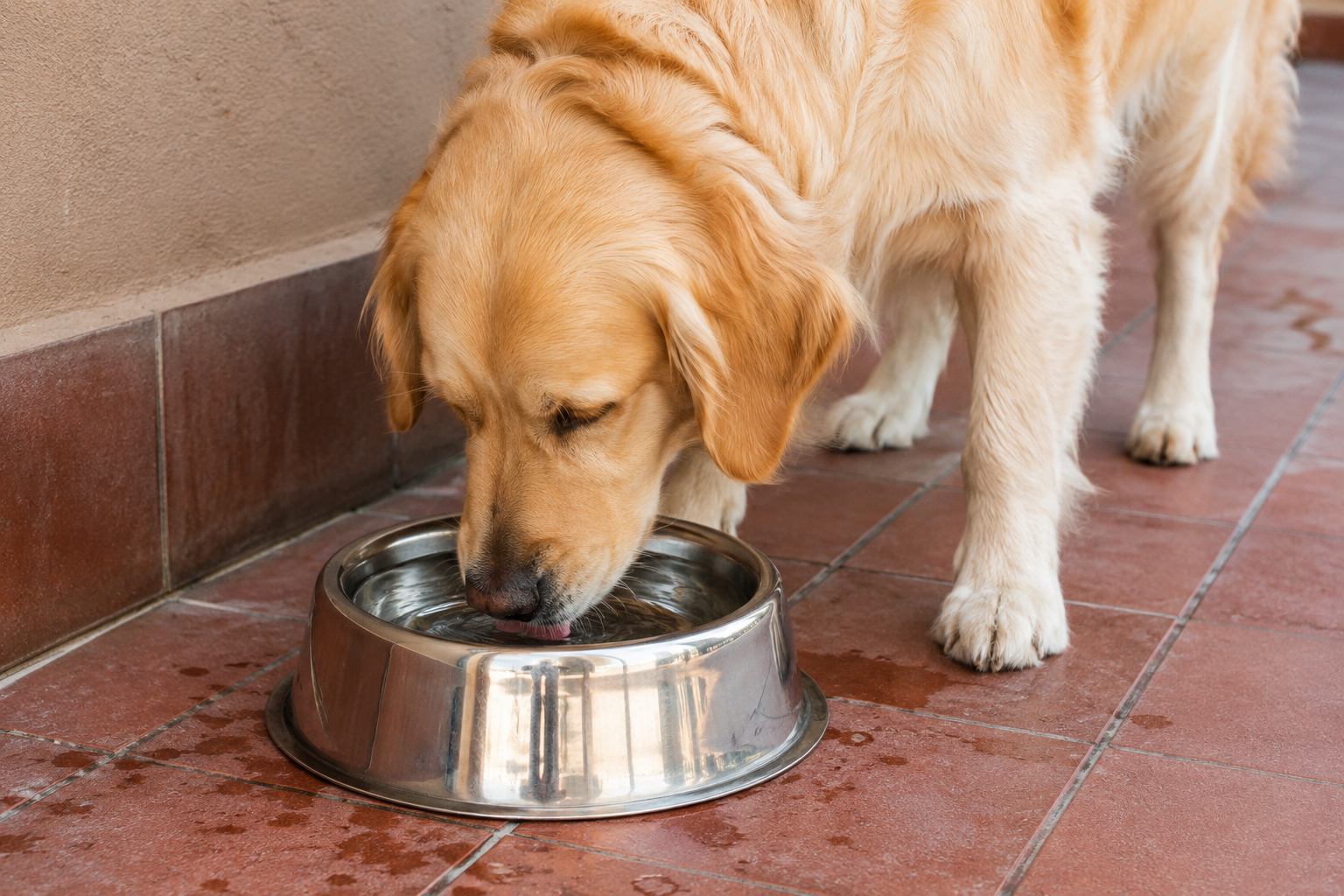
Water is one of the most important parts of your dog’s health. Just like humans, dogs need fresh and clean water every single day to stay active, healthy, and hydrated. Many pet owners focus on food but often forget that water is just as essential. If a dog does not drink enough water, it can quickly become dehydrated, which may lead to serious health problems.
So, how much water should a dog drink daily? The answer depends on several factors, including your dog’s weight, age, activity level, diet, and the weather. In this guide, you will learn everything you need to know about your dog’s daily water needs, signs of dehydration, and simple tips to keep your furry friend properly hydrated.
How Much Water Should a Dog Drink Daily?
The general rule is that a healthy dog should drink about one ounce of water per pound of body weight every day.
This means:
- A 10 pound dog should drink around 10 ounces of water daily.
- A 20 pound dog should drink around 20 ounces.
- A 50 pound dog should drink around 50 ounces.
- A 100 pound dog should drink close to 100 ounces.
This is only a guideline because every dog is different. Some dogs naturally drink a little less, while others drink more depending on their lifestyle.
Daily Water Intake Chart for Dogs
Here is a simple guide to estimate how much water your dog should drink.
| Dog Weight | Daily Water Intake |
|---|---|
| 5 pounds | 5 ounces |
| 10 pounds | 10 ounces |
| 20 pounds | 20 ounces |
| 30 pounds | 30 ounces |
| 40 pounds | 40 ounces |
| 50 pounds | 50 ounces |
| 75 pounds | 75 ounces |
| 100 pounds | 100 ounces |
Keep in mind that these numbers are averages and may change based on your dog’s needs.
Why Water Is Essential for Dogs
Water supports nearly every function inside your dog’s body. Without enough water, organs cannot work properly, and your dog’s overall health can decline quickly.
Water helps your dog:
- Regulate body temperature.
- Digest food efficiently.
- Absorb nutrients.
- Lubricate joints.
- Carry oxygen throughout the body.
- Remove toxins through urine.
- Maintain healthy skin and coat.
- Support kidney function.
Even mild dehydration can make a dog feel tired, weak, and uncomfortable.
Factors That Affect a Dog’s Water Needs
Not every dog drinks the same amount of water. Several factors influence how much your dog needs each day.
Body Size
Larger dogs naturally require more water because they have more body mass. Small breeds drink much less compared to giant breeds.
Activity Level
Dogs that enjoy running, hiking, or playing fetch lose more fluids through panting. Active dogs should always have access to extra water before and after exercise.
Weather
Hot weather increases water loss. During summer, dogs pant more to cool themselves, which means they need additional water throughout the day.
Diet
Dogs eating dry kibble usually drink more water because dry food contains very little moisture.
Dogs eating canned food or fresh homemade meals often drink less since those foods already contain a high percentage of water.
Age
Puppies generally need frequent access to water because they are growing rapidly and have high energy levels.
Senior dogs may drink either less or more depending on their health conditions.
Pregnancy and Nursing
Pregnant and nursing dogs require more water to support their puppies and milk production.
Signs Your Dog Is Drinking Enough Water
A well hydrated dog usually shows these healthy signs:
Bright and alert eyes.
Moist gums.
Elastic skin that quickly returns when gently lifted.
Normal energy levels.
Regular urination with light yellow urine.
Healthy appetite.
If your dog displays these signs, hydration is likely adequate.
Signs of Dehydration in Dogs
Dehydration can become dangerous if ignored. Watch for these symptoms:
Dry or sticky gums.
Sunken eyes.
Loss of energy.
Heavy panting.
Loss of appetite.
Dark yellow urine.
Dry nose.
Skin that stays raised after being gently pinched.
Weakness.
Vomiting or diarrhea.
If your dog shows several of these symptoms, provide fresh water immediately. If the condition does not improve or your dog cannot drink, contact your veterinarian as soon as possible.
How to Check Your Dog for Dehydration
One simple method is the skin elasticity test.
Gently lift the skin between your dog’s shoulders and release it.
If the skin quickly returns to its normal position, hydration is usually good.
If the skin stays raised or moves back slowly, dehydration may be present.
Another quick check is looking at your dog’s gums. Healthy gums should feel moist rather than dry or sticky.
Can a Dog Drink Too Much Water?
Yes. Although rare, drinking excessive amounts of water can also be harmful.
Some dogs drink too much because of excitement, certain medical conditions, or behavioral issues.
Excessive water intake may be linked to:
Diabetes.
Kidney disease.
Cushing’s disease.
Liver disease.
Urinary tract infections.
Certain medications.
In very rare cases, drinking huge amounts of water in a short period can cause water intoxication, which is a medical emergency.
If your dog suddenly begins drinking far more water than usual, schedule a veterinary examination.
Tips to Encourage Your Dog to Drink More Water
Some dogs simply do not enjoy drinking water. Here are easy ways to encourage better hydration.
Always provide clean, fresh water.
Wash the water bowl daily.
Use stainless steel or ceramic bowls.
Place multiple water bowls around the house.
Take water with you during walks.
Add a small amount of low sodium chicken broth to water if approved by your veterinarian.
Feed wet food occasionally.
Use a pet water fountain since many dogs prefer moving water.
Offer water after exercise.
Replace water several times each day, especially during hot weather.
These small habits can significantly improve your dog’s daily water intake.
When Dogs Need Extra Water
Certain situations increase your dog’s water requirements.
During Summer
Hot temperatures cause heavy panting, leading to faster water loss.
Never leave your dog without access to water on warm days.
After Exercise
Running, swimming, hiking, and playing all increase fluid loss.
Allow your dog to rest and drink gradually after physical activity.
During Illness
Vomiting, diarrhea, fever, or infections can quickly cause dehydration.
Sick dogs should always have easy access to clean water. If they refuse to drink, seek veterinary care.
Best Water Bowl for Dogs
Choosing the right bowl can encourage better drinking habits.
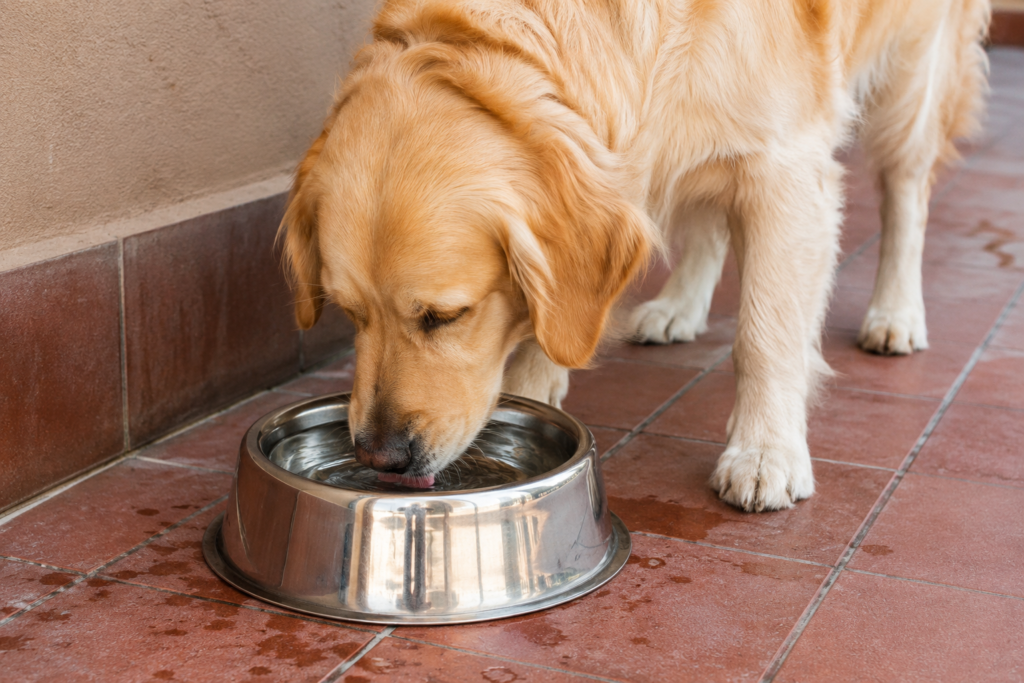
Stainless steel bowls are durable, easy to clean, and resist bacteria.
Ceramic bowls are heavier and harder to tip over.
Automatic water fountains keep water moving and fresh, making them attractive for many dogs.
Whatever bowl you choose, clean it every day to prevent bacteria buildup.
Common Myths About Dog Hydration
Many pet owners believe some myths that are not actually true.
One common myth is that dogs only need water after exercise. In reality, dogs should have access to fresh water throughout the entire day.
Another myth is that a wet nose means a dog is fully hydrated. While a wet nose can be normal, it is not a reliable indicator of hydration.
Some people also believe that dogs naturally know how much water to drink. While many dogs regulate their intake well, illnesses and environmental factors can change their drinking habits.
When to Contact a Veterinarian
Contact your veterinarian if your dog:
Stops drinking water for an entire day.
Shows severe dehydration.
Vomits repeatedly.
Has constant diarrhea.
Drinks excessive amounts every day.
Has blood in the urine.
Appears weak or confused.
Early treatment can prevent serious complications.
Frequently Asked Questions
Can dogs drink tap water?
In most areas, tap water is safe for dogs if it is safe for humans. If your local water quality is poor, filtered water is a better choice.
Do puppies need more water?
Yes. Puppies grow quickly and have high activity levels, so they need frequent access to fresh water throughout the day.
Is cold water safe for dogs?
Yes. Cool water is perfectly safe and can help dogs stay comfortable during hot weather. Avoid extremely icy water after intense exercise.
How often should I refill my dog’s water bowl?
Fresh water should always be available. Refill and replace the water whenever it becomes dirty or several times throughout the day.
Final Thoughts
Understanding how much water should a dog drink daily is one of the easiest ways to keep your pet healthy. As a general guideline, dogs need about one ounce of water for every pound of body weight each day, although factors like weather, activity, diet, and health can change those needs.
Make it a habit to provide fresh, clean water at all times, monitor your dog’s drinking habits, and watch for signs of dehydration or excessive thirst. By paying attention to your dog’s hydration, you can support healthy digestion, proper organ function, and overall well being for years to come.