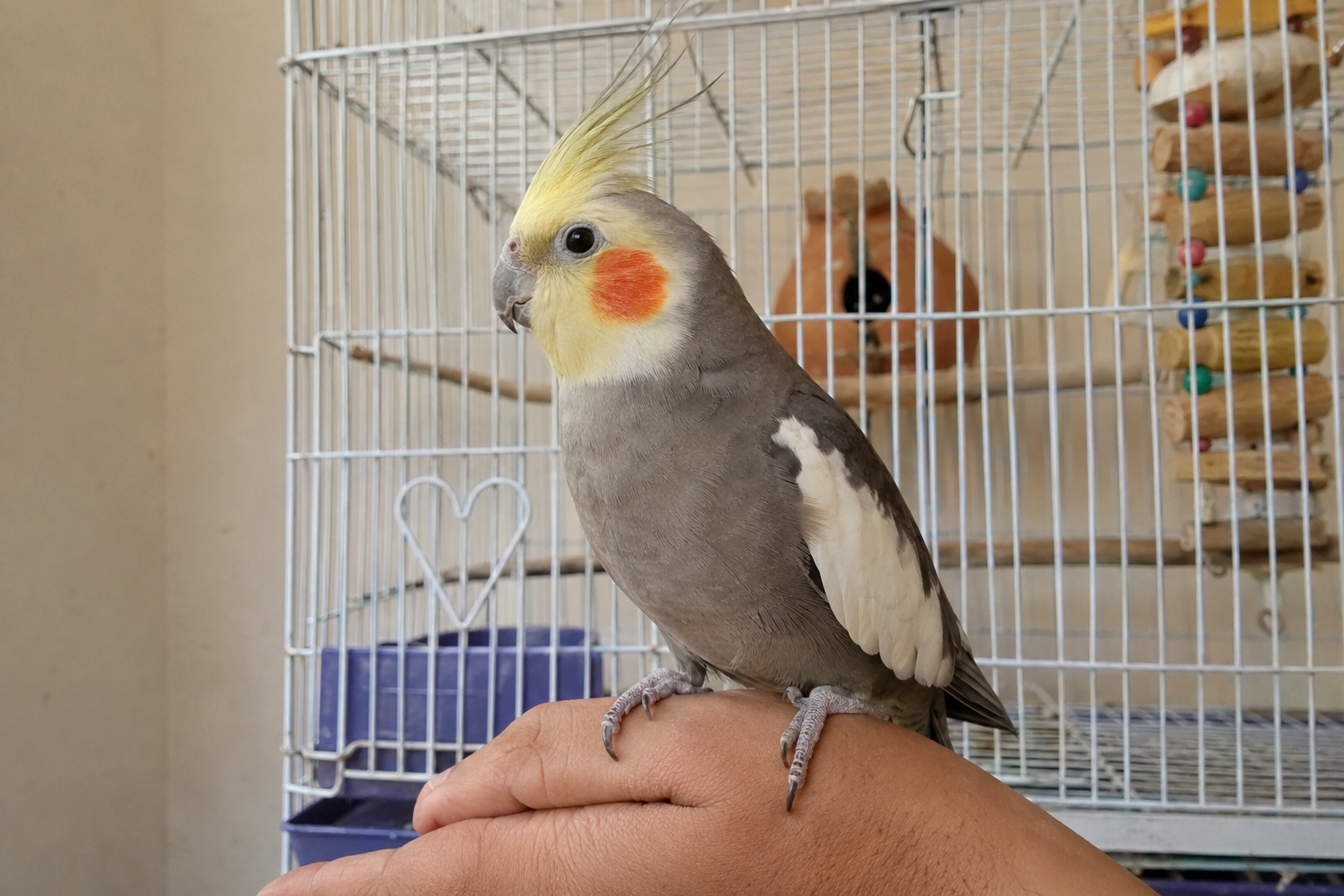
If you are thinking about bringing a cockatiel into your home, you are making a wonderful choice. Cockatiels are one of the most popular pet birds in the world because they are friendly, intelligent, and relatively easy to care for. They can build a strong bond with their owners, learn simple tricks, whistle tunes, and even mimic a few words. However, like any pet, they need proper care, attention, and a healthy environment to live a long and happy life.
This Cockatiel Care Guide for Beginners will help you understand everything you need to know before bringing home your first cockatiel. From choosing the right cage to feeding a balanced diet, you will learn the basics that every new bird owner should know.
Why Cockatiels Make Great Pets
Cockatiels are known for their gentle personalities and affectionate nature. They enjoy spending time with people and can become very attached to their owners. Unlike some larger parrots, cockatiels are generally quieter, making them a good choice for apartments and small homes.
These birds usually live between 15 and 25 years when given proper care. This means owning a cockatiel is a long term commitment. If you are ready to provide daily attention and proper care, a cockatiel can become a loyal companion for many years.
Choosing a Healthy Cockatiel
The first step in successful cockatiel care is choosing a healthy bird. Buy your bird from a trusted breeder or a reputable pet store with clean living conditions.
A healthy cockatiel should have bright eyes, smooth feathers, clean nostrils, and an active personality. The bird should be alert, curious, and interested in its surroundings. Avoid birds that sit quietly with puffed feathers, have watery eyes, or show signs of breathing problems.
If possible, choose a young cockatiel because they usually adapt more easily to a new home and training.
Selecting the Right Cage
A comfortable cage is one of the most important parts of a beginner cockatiel setup. Your bird will spend many hours inside the cage, so it should provide enough room for movement and exercise.
The cage should be at least 24 inches wide, 24 inches deep, and 30 inches tall. Bigger is always better because cockatiels love climbing and stretching their wings.
Choose a cage with horizontal bars so your bird can climb easily. Place natural wood perches of different sizes inside the cage to keep your cockatiel’s feet healthy.
Include food bowls, a water dish, a cuttlebone, and a few safe toys. Avoid overcrowding the cage because your bird still needs space to move comfortably.
Best Location for the Cage
Where you place the cage matters just as much as the cage itself.
Keep the cage in a room where your family spends time because cockatiels enjoy social interaction. Avoid placing it near kitchens, direct sunlight, air conditioners, heaters, or drafty windows.
Birds are sensitive to smoke, strong perfumes, scented candles, and nonstick cookware fumes, which can be dangerous or even fatal.
Your cockatiel should also have a quiet place to sleep without constant noise during the night.
Feeding Your Cockatiel
A healthy diet is the foundation of good cockatiel care. Many beginners make the mistake of feeding only seeds, but this is not enough for complete nutrition.
A balanced diet should include high quality pellets as the main food source. Fresh vegetables should also be offered every day. Safe vegetables include carrots, broccoli, spinach, peas, corn, and bell peppers.
Fresh fruits like apples without seeds, bananas, berries, grapes, and mango can be given as occasional treats.
Seeds should be offered in moderation because they are high in fat.
Always provide fresh, clean water every day and change it at least once daily.
Never feed your cockatiel chocolate, avocado, caffeine, alcohol, onions, garlic, or foods with too much salt or sugar because these can be harmful.
Daily Exercise Is Essential
Cockatiels are active birds that need daily exercise to stay healthy.
Allow your bird to spend at least one to three hours outside the cage each day in a safe room. Close windows and doors before letting your bird fly. Remove dangerous items such as ceiling fans, electrical cords, and toxic plants.
Exercise helps prevent obesity, improves mental health, and strengthens the bond between you and your bird.
If your bird cannot fly safely, provide climbing opportunities and supervised playtime.
Social Interaction and Bonding
Cockatiels are social animals and need regular interaction with their owners.
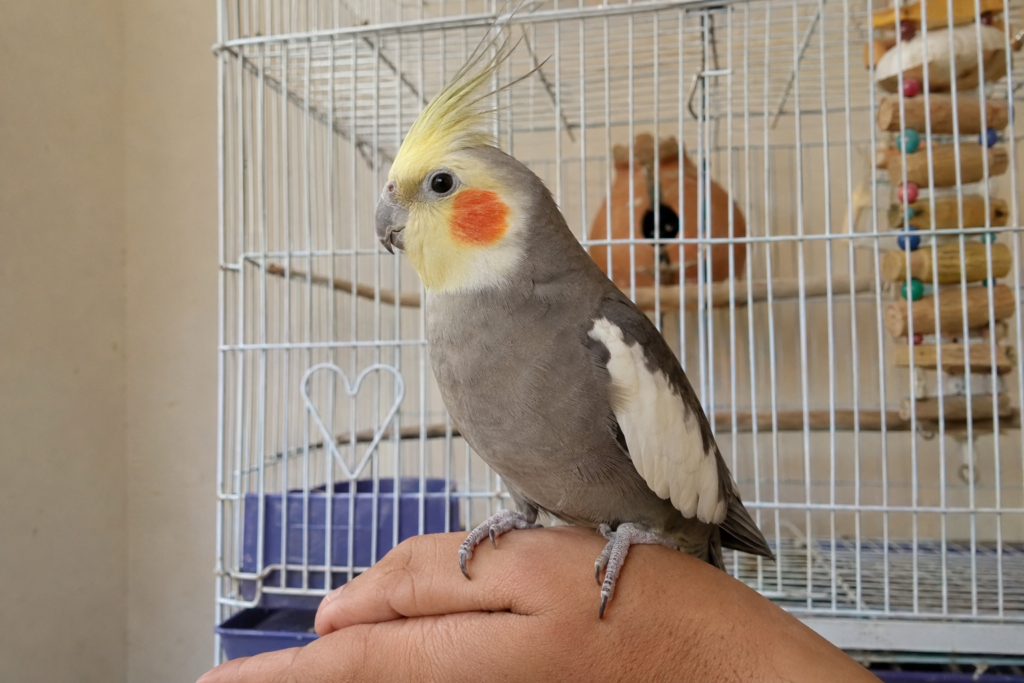
Spend time talking, whistling, or playing with your bird every day. Many cockatiels enjoy sitting on their owner’s shoulder or hand while exploring the house.
Patience is important, especially if your cockatiel is new. Let your bird approach you at its own pace instead of forcing contact.
Consistent positive interactions help build trust and reduce fear.
Training Your Cockatiel
Training is a fun way to strengthen your relationship with your bird.
The first lesson should be teaching your cockatiel to step onto your finger. Hold your finger gently against the bird’s lower chest and say “Step up.” Reward successful attempts with praise or a healthy treat.
Short training sessions of five to ten minutes work best because birds have short attention spans.
Many cockatiels also learn to whistle songs, come when called, and perform simple tricks with regular practice.
Providing Mental Stimulation
Cockatiels are intelligent birds that become bored if they have nothing to do.
Offer a variety of bird safe toys such as bells, ladders, ropes, swings, and chewing toys. Rotate toys every few weeks to keep your bird interested.
Foraging toys that hide small treats encourage natural behaviors and provide mental exercise.
Simple activities like talking, music, and supervised exploration also help prevent boredom.
Grooming and Hygiene
Proper grooming keeps your cockatiel healthy and comfortable.
Many cockatiels enjoy bathing several times each week. You can provide a shallow dish of water or lightly mist your bird with clean water.
Do not use soap or shampoo.
Keep the cage clean by replacing cage liner daily and washing food and water bowls every day.
Deep clean the cage, perches, and toys every week using bird safe cleaning products.
Healthy grooming habits reduce bacteria and help prevent disease.
Understanding Normal Behavior
Learning your bird’s body language helps you understand its mood.
A relaxed cockatiel often sings, whistles, grinds its beak, and raises its crest slightly.
A frightened bird may flatten its crest, hiss, or move away from people.
Excited cockatiels may spread their wings, chirp loudly, and explore everything around them.
Watching your bird every day helps you quickly notice any unusual behavior that may signal illness.
Common Health Problems
Even healthy birds can become sick, so beginners should know the warning signs.
Watch for symptoms such as loss of appetite, fluffed feathers, sleeping more than usual, breathing difficulties, weight loss, diarrhea, or discharge from the eyes or nose.
Birds often hide illness until they become seriously sick, so never ignore small changes in behavior.
Schedule regular checkups with an avian veterinarian and seek professional help whenever your cockatiel appears unwell.
Creating a Safe Environment
Your home should be bird friendly before allowing your cockatiel outside the cage.
Keep toxic houseplants, cleaning chemicals, candles, smoke, and small objects away from your bird.
Close toilet lids, cover mirrors if needed, and supervise all out of cage time.
Never leave your cockatiel alone with cats, dogs, or other pets, even if they seem friendly.
Safety should always be your highest priority.
Helping Your Cockatiel Sleep Well
Cockatiels need about 10 to 12 hours of uninterrupted sleep every night.
A lack of sleep can lead to stress, irritability, feather problems, and weaker immunity.
Place the cage in a quiet room at night or cover it with a breathable cage cover to reduce light and noise.
Maintain a consistent sleep schedule every day.
Final Thoughts
Following this Cockatiel Care Guide for Beginners will give your bird the best chance to live a healthy, happy, and fulfilling life. Cockatiels are affectionate companions that reward kindness, patience, and proper care with years of friendship and entertainment.
Providing a spacious cage, balanced nutrition, daily exercise, mental stimulation, regular cleaning, and plenty of social interaction will help your cockatiel thrive. As you spend more time together, you will better understand your bird’s unique personality and needs.
Owning a cockatiel is a rewarding experience that comes with responsibility. With love, consistency, and the right care, your feathered friend can become a cherished member of your family for many years.