If you have recently brought a pet bird home, one of the biggest challenges you may face is biting. Many bird owners ask the same question: how to stop a bird from biting without damaging the trust they have built. The good news is that biting is not something your bird does because it is mean or aggressive. In most cases, it is simply a way for the bird to communicate.
Understanding why birds bite is the first step toward solving the problem. Once you know what triggers the behavior, you can respond in a way that helps your bird feel safe and comfortable. With patience, consistency, and the right training methods, even birds that bite regularly can learn to become gentle companions.
Why Do Birds Bite?
Before learning how to stop a bird from biting, it is important to understand why the behavior happens. Birds do not have words to express fear, discomfort, excitement, or frustration. Instead, they use body language and sometimes their beaks.
A bird may bite because it feels scared, stressed, tired, territorial, or overwhelmed. Sometimes the bird simply wants to be left alone. In other situations, it may not trust the person trying to handle it.
Young birds may also bite while exploring their surroundings. Just as puppies use their mouths to investigate objects, birds use their beaks to learn about the world around them.
Learn to Read Your Bird’s Body Language
One of the easiest ways to prevent bites is by paying attention to your bird’s body language. Birds usually give warning signs before they bite.
Look for raised feathers around the head, pinned eyes, an open beak, lunging movements, or a stiff posture. Some birds may also spread their wings or lean forward as a warning.
If you notice these signals, give your bird some space instead of trying to force interaction. Respecting your bird’s boundaries helps build trust over time.
Build Trust Slowly
Trust is the foundation of every healthy relationship between a bird and its owner. If your bird has experienced rough handling in the past or has recently moved into a new home, it may need time to feel comfortable.
Spend time sitting near the cage and talking softly to your bird. Offer favorite treats through the cage bars without trying to grab or force contact. As your bird becomes more relaxed, it will begin to associate your presence with positive experiences.
Learning how to stop a bird from biting starts with making your bird feel safe around you.
Never Punish a Bird for Biting
Many new owners make the mistake of yelling, tapping the beak, or shaking the perch after a bite. These reactions usually make the problem worse.
Birds do not understand punishment the way people expect. Instead, punishment increases fear and anxiety, making future bites more likely.
If your bird bites you, stay as calm as possible. Avoid shouting or making sudden movements. Gently place the bird back on its perch if needed and allow both of you to relax before trying again later.
Calm responses teach your bird that biting does not create drama or excitement.
Identify Common Triggers
Every bird is different, but certain situations commonly lead to biting.
Some birds dislike hands entering their cage because they see it as their private territory. Others become defensive around strangers or during breeding season.
Your bird may also bite when it feels tired, hungry, or overstimulated after a long play session.
Keep a simple journal of when biting happens. After a few days, you may notice patterns that help you avoid situations that trigger aggressive behavior.
Use Positive Reinforcement
Positive reinforcement is one of the most effective ways to teach good behavior.
Whenever your bird steps onto your hand calmly, accepts gentle handling, or interacts without biting, reward it immediately with praise or a favorite treat.
Birds quickly learn which behaviors earn rewards. Over time, calm behavior becomes more common because the bird associates it with positive outcomes.
Avoid rewarding unwanted behavior by giving attention immediately after a bite. Instead, reward the moments when your bird behaves gently.
Teach the Step Up Command
Teaching your bird the “step up” command is an excellent way to improve handling.
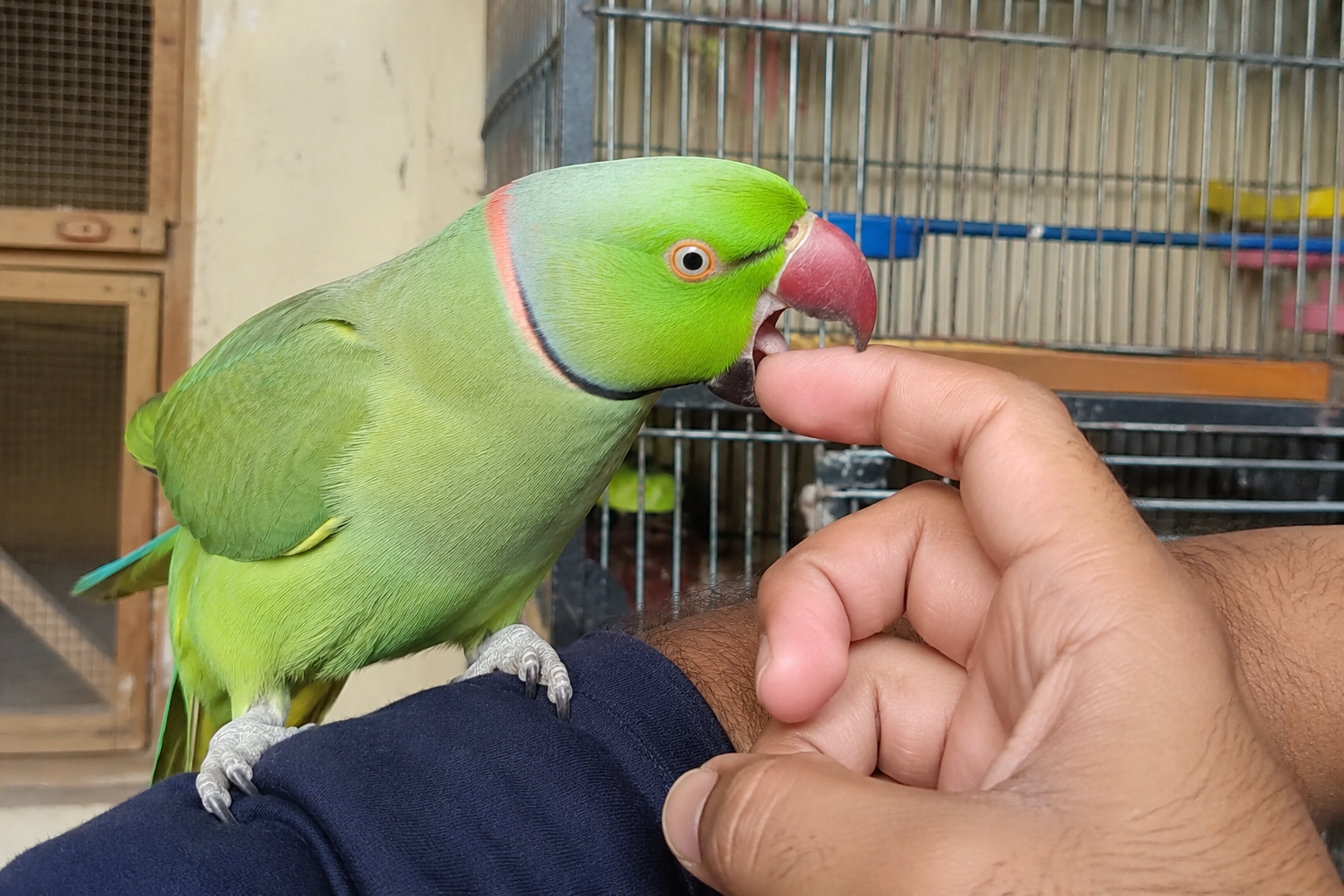
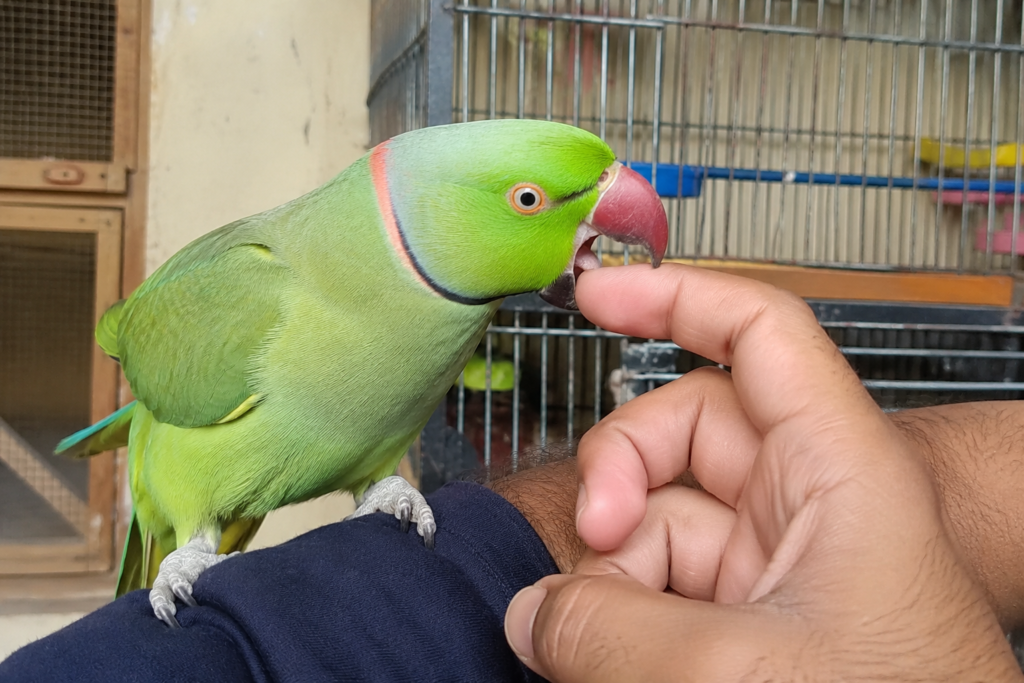
Place your finger or a handheld perch gently against the bird’s lower chest while saying “step up” in a calm voice.
When the bird steps onto your hand without biting, reward it with praise and a small treat.
Practice several short sessions every day rather than one long training session. Birds learn better through frequent positive experiences.
Mastering the step up command plays a major role in how to stop a bird from biting.
Respect Personal Space
Even the friendliest birds sometimes want to be left alone.
Do not force interaction when your bird is eating, sleeping, preening, or showing signs of stress.
Respecting these moments helps prevent defensive bites and teaches your bird that you understand its needs.
Birds that feel respected are usually more willing to interact later.
Avoid Sudden Movements
Fast movements can easily frighten birds.
Always approach your bird slowly and speak in a calm voice before reaching toward it. Sudden grabbing often causes panic and defensive biting.
Allow the bird to see your hand coming. Gentle, predictable movements help create confidence.
Socialize Your Bird Regularly
Birds are intelligent animals that need daily interaction.
Spending quality time together reduces boredom and strengthens your relationship. Talk to your bird, teach simple tricks, provide toys, and encourage supervised play outside the cage.
Well socialized birds are generally more confident and less likely to bite out of fear.
Make Sure the Cage Is Comfortable
An uncomfortable environment can increase stress and unwanted behavior.
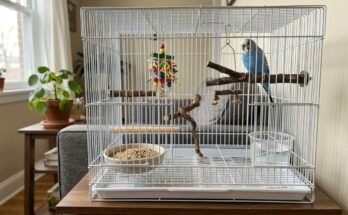
Choose a cage that gives your bird enough room to stretch its wings comfortably. Provide different perch sizes, safe chew toys, fresh food, clean water, and opportunities for mental stimulation.
A bird living in a healthy environment is less likely to become frustrated or aggressive.
Watch for Hormonal Behavior
During breeding season, many birds become more protective and territorial.
Hormonal changes can temporarily increase biting, even in normally gentle birds.
During this time, reduce activities that encourage nesting behavior, provide consistent sleep schedules, and avoid touching areas like the back or under the wings, which may stimulate breeding behavior.
Patience is especially important during hormonal periods.
Keep Training Sessions Short
Birds have short attention spans.
Five to ten minutes of focused training several times a day is much more effective than one long session.
End each session on a positive note by rewarding good behavior. This helps your bird look forward to future training.
Give Your Bird Enough Sleep
Lack of sleep can make birds irritable and more likely to bite.
Most pet birds need between ten and twelve hours of uninterrupted sleep every night.
Maintain a regular bedtime and create a quiet, dark sleeping environment to help your bird stay healthy and emotionally balanced.
Avoid Encouraging Rough Play
Some owners accidentally teach biting by allowing birds to wrestle with fingers or chase hands during play.
Although it may seem harmless at first, the bird may begin to think biting is an acceptable form of interaction.
Instead, encourage gentle games, target training, puzzle toys, and foraging activities that keep your bird mentally engaged without promoting rough behavior.
Be Patient During the Learning Process
Changing behavior takes time.
Some birds improve within a few weeks, while others may need several months depending on their age, personality, and past experiences.
Consistency is more important than speed. Continue rewarding positive behavior while remaining calm during setbacks.
Every successful interaction builds stronger trust between you and your bird.
When to Visit an Avian Veterinarian
If your bird suddenly starts biting without any obvious reason, schedule a checkup with an avian veterinarian.
Pain, illness, nutritional deficiencies, or hormonal problems can sometimes cause behavioral changes.
A professional examination helps rule out medical issues before focusing entirely on training.
Healthy birds are generally easier to train and less likely to display unexpected aggression.
Final Thoughts
Learning how to stop a bird from biting requires understanding, patience, and consistent training. Biting is usually a form of communication rather than aggression. By learning your bird’s body language, respecting its boundaries, rewarding gentle behavior, and avoiding punishment, you can create a trusting relationship that lasts for years.
Every bird learns at its own pace, so do not become discouraged if progress seems slow. Small improvements every day eventually lead to lasting results. With kindness, positive reinforcement, and regular interaction, your bird will become more confident, feel safer around you, and be far less likely to bite.