Pet birds are wonderful companions. They are intelligent, social, and full of personality. Whether you own a budgie, cockatiel, lovebird, parrot, or canary, keeping your bird healthy should always be your top priority. Unlike dogs or cats, birds often hide signs of illness because it is their natural instinct. By the time symptoms become obvious, the condition may already be serious.
Understanding the common health problems in pet birds can help you recognize early warning signs and get the right treatment before the illness becomes life threatening. In this guide, I will explain the most common bird health issues, their causes, symptoms, treatment options, and simple ways to prevent them.
Why Bird Health Needs Special Attention
Pet birds have fast metabolisms and delicate respiratory systems. Small changes in their eating habits, behavior, or appearance can be the first sign that something is wrong.
A healthy bird usually has bright eyes, clean feathers, regular droppings, a good appetite, and plenty of energy. If your bird suddenly becomes quiet, sleepy, or stops eating, it should never be ignored.
The earlier you notice health problems, the better the chances of a full recovery.
Respiratory Infections
Respiratory infections are one of the most common health problems in pet birds. Birds have sensitive lungs and air sacs, making them vulnerable to infections caused by bacteria, fungi, or viruses.
Common symptoms include difficulty breathing, wheezing, sneezing, nasal discharge, tail bobbing while breathing, and open mouth breathing.
Respiratory infections can develop because of poor cage hygiene, dusty environments, sudden temperature changes, or exposure to cigarette smoke and strong chemicals.
Treatment usually requires an avian veterinarian who may prescribe antibiotics or antifungal medication depending on the cause.
Keeping the cage clean and ensuring good air quality greatly reduces the risk of respiratory disease.
Feather Plucking
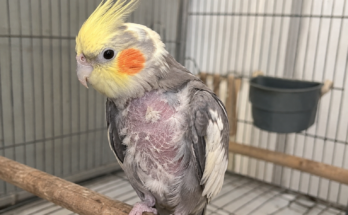
Feather plucking is another common issue, especially in parrots and cockatoos. Birds may pull out their own feathers until bald patches appear.
This behavior can be caused by stress, boredom, loneliness, poor nutrition, skin irritation, parasites, or underlying medical conditions.
If your bird starts plucking feathers, avoid assuming it is only a behavioral problem. A veterinary examination is necessary to rule out medical causes.
Providing mental stimulation, toys, social interaction, and a balanced diet often helps reduce feather plucking.
Nutritional Deficiencies
Poor nutrition is responsible for many bird health problems. Many owners feed only seeds, believing they provide complete nutrition. While birds enjoy seeds, a seed only diet lacks important vitamins and minerals.
Vitamin A deficiency is especially common and can weaken the immune system, cause breathing problems, and increase the risk of infections.
Calcium deficiency is another concern, particularly in breeding females. It may lead to weak bones, egg binding, and muscle weakness.
A healthy bird diet should include high quality pellets, fresh vegetables, leafy greens, fruits in moderation, and occasional seeds as treats.
Proper nutrition is the foundation of a healthy bird.
Beak Problems
A bird’s beak continues to grow throughout its life. Normally, chewing toys and natural wear keep it at the correct length.
Sometimes the beak becomes overgrown, cracked, or misshapen due to liver disease, nutritional deficiencies, injury, or lack of chewing materials.
Signs include difficulty eating, uneven beak growth, and visible cracks.
Never attempt to trim a bird’s beak yourself unless you have proper training. Incorrect trimming can cause bleeding and severe pain.
An avian veterinarian can safely correct beak problems and identify the underlying cause.
Mites and Parasites
External parasites such as mites and lice can make birds extremely uncomfortable.
Symptoms include excessive scratching, feather damage, restlessness, flaky skin, and feather loss.
Some parasites are difficult to see without magnification, so veterinary diagnosis is often necessary.
Internal parasites may also affect birds, causing weight loss, diarrhea, weakness, and poor feather quality.
Maintaining a clean environment and quarantining new birds before introducing them to your existing pets can help prevent parasite infestations.
Egg Binding
Egg binding is a serious condition that affects female birds. It occurs when an egg becomes stuck inside the reproductive tract and cannot be laid.
Symptoms include sitting at the bottom of the cage, difficulty breathing, straining, swollen abdomen, weakness, and loss of appetite.
Egg binding is a medical emergency that requires immediate veterinary care.
Providing adequate calcium, a balanced diet, and proper breeding management reduces the risk of this condition.
Obesity
Many indoor pet birds do not get enough exercise. Combined with high fat diets, this can lead to obesity.
Overweight birds are more likely to develop liver disease, heart problems, arthritis, and reduced lifespan.
Signs of obesity include difficulty flying, excessive body fat around the chest and abdomen, and reduced activity.
Encourage daily exercise by allowing supervised flight in a safe room or providing climbing opportunities inside the cage.
Offer healthy foods instead of constantly feeding seeds and high fat treats.
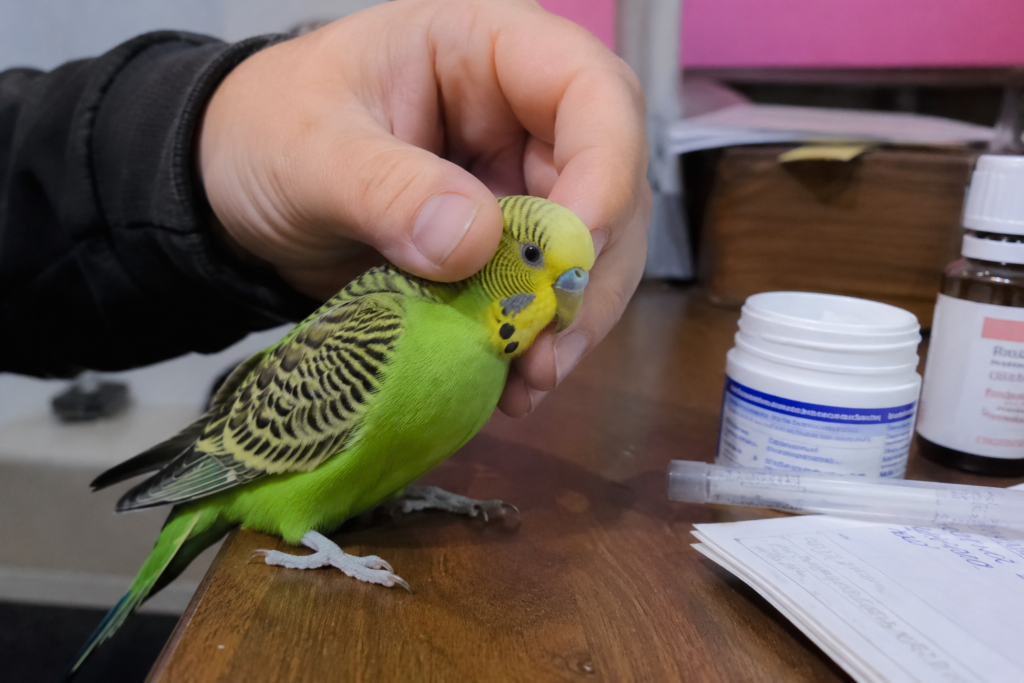
Psittacosis
Psittacosis is a bacterial infection that affects parrots and many other bird species. It can also spread to humans, making it an important health concern.
Symptoms include watery eyes, nasal discharge, breathing difficulty, green droppings, weight loss, and lethargy.
Only laboratory testing can confirm the diagnosis.
Treatment usually involves a long course of antibiotics prescribed by an avian veterinarian.
Maintaining good hygiene and isolating sick birds help reduce the spread of infection.
Digestive Problems
Digestive disorders are among the most common health problems in pet birds.
These issues may result from bacterial infections, parasites, spoiled food, toxins, or dietary changes.
Symptoms include diarrhea, vomiting, changes in droppings, weight loss, and reduced appetite.
Bird droppings provide valuable clues about overall health. Owners should become familiar with what normal droppings look like so they can quickly recognize abnormalities.
Fresh food should always be washed properly and removed before it spoils inside the cage.
Liver Disease
Fatty liver disease is especially common in birds fed high seed diets with little exercise.
Early symptoms may be difficult to notice but often include weight gain, poor feather condition, overgrown beak, lethargy, and reduced activity.
As the disease progresses, birds may experience weakness and serious complications.
Treatment focuses on improving nutrition, encouraging exercise, and managing liver health under veterinary supervision.
Preventing obesity is one of the best ways to reduce the risk of liver disease.
Bumblefoot
Bumblefoot is an infection or inflammation affecting the feet.
It often develops because of dirty perches, incorrect perch sizes, obesity, or injuries.
Signs include swelling, redness, sores, limping, and reluctance to perch.
Providing natural wood perches of different sizes helps distribute pressure across the feet and reduces the chance of developing this painful condition.
Keeping the cage clean is equally important.
Stress Related Illness
Stress can weaken a bird’s immune system and make it more likely to become sick.
Common causes include sudden environmental changes, loud noises, lack of sleep, loneliness, overcrowding, or frequent handling against the bird’s wishes.
A stressed bird may scream excessively, lose feathers, refuse food, or become aggressive.
Creating a consistent daily routine, offering enough sleep, and providing enrichment activities help reduce stress.
Signs Your Bird Needs Immediate Veterinary Care
Some symptoms should never be ignored.
Seek emergency veterinary care if your bird shows any of these signs.
- Difficulty breathing
- Sitting at the bottom of the cage
- Refusing food for several hours
- Continuous vomiting
- Heavy bleeding
- Seizures
- Severe weakness
- Sudden inability to perch
- Major changes in droppings
- Rapid weight loss
Birds can become critically ill very quickly, so delaying treatment can be dangerous.
How to Prevent Common Health Problems in Pet Birds
Preventing illness is much easier than treating it later.
Provide a balanced diet that includes pellets, vegetables, fruits, and limited seeds.
Clean the cage every day and disinfect food and water bowls regularly.
Offer fresh water at all times.
Provide toys and activities that encourage physical and mental exercise.
Allow your bird enough sleep every night in a quiet environment.
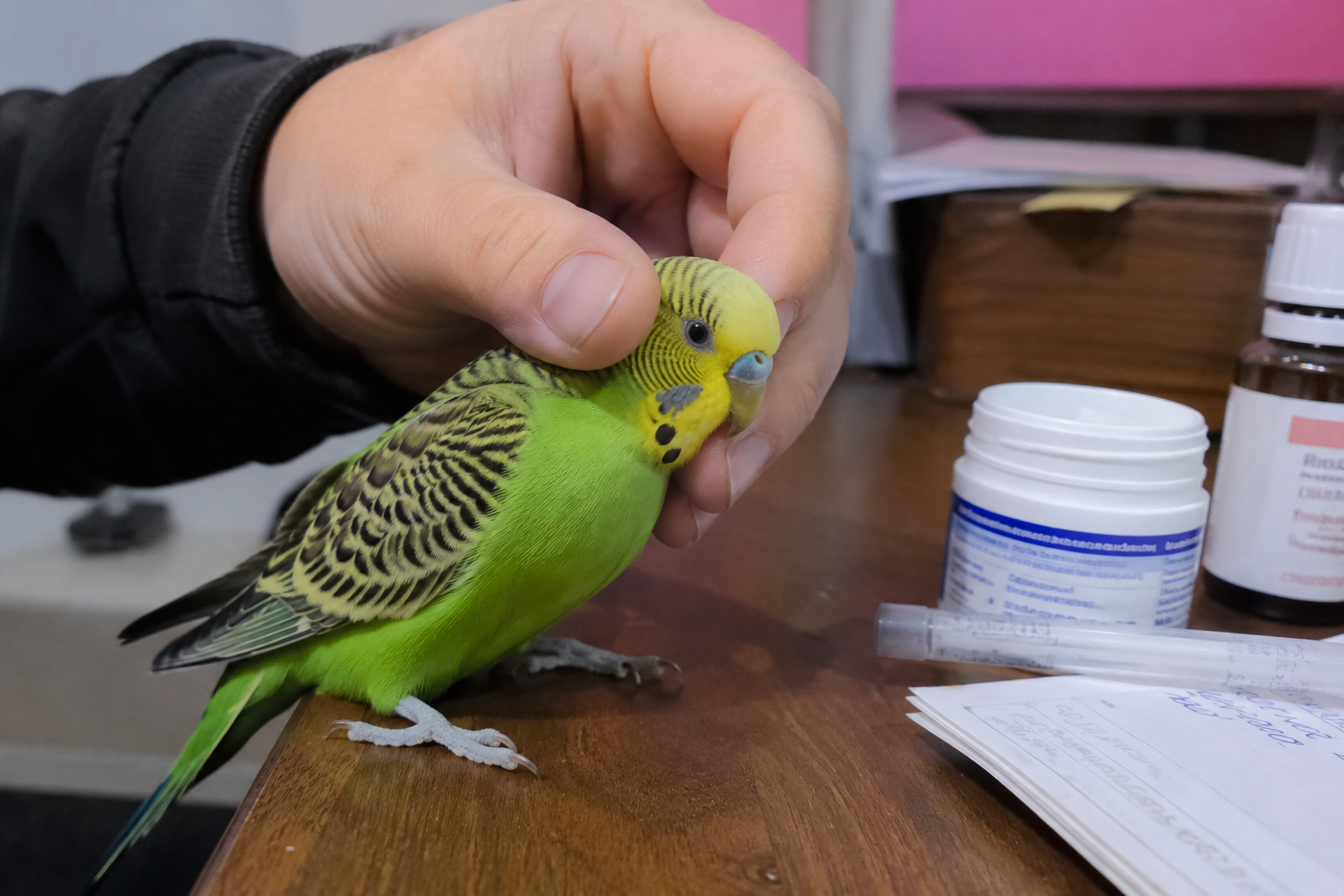
Schedule regular health examinations with an avian veterinarian, even if your bird appears healthy.
Observe your bird daily so you notice changes in behavior, appetite, or droppings as early as possible.
Final Thoughts
Knowing the common health problems in pet birds allows you to respond quickly when something seems wrong. Birds naturally hide illness, so even small changes in behavior can indicate a serious medical issue. Respiratory infections, nutritional deficiencies, feather plucking, obesity, liver disease, digestive disorders, parasites, and stress are among the most common conditions bird owners should understand.
The best way to keep your feathered companion healthy is through proper nutrition, regular cage cleaning, mental stimulation, exercise, and routine veterinary care. Paying close attention to your bird every day will help you detect problems early and ensure your pet enjoys a long, active, and happy life.