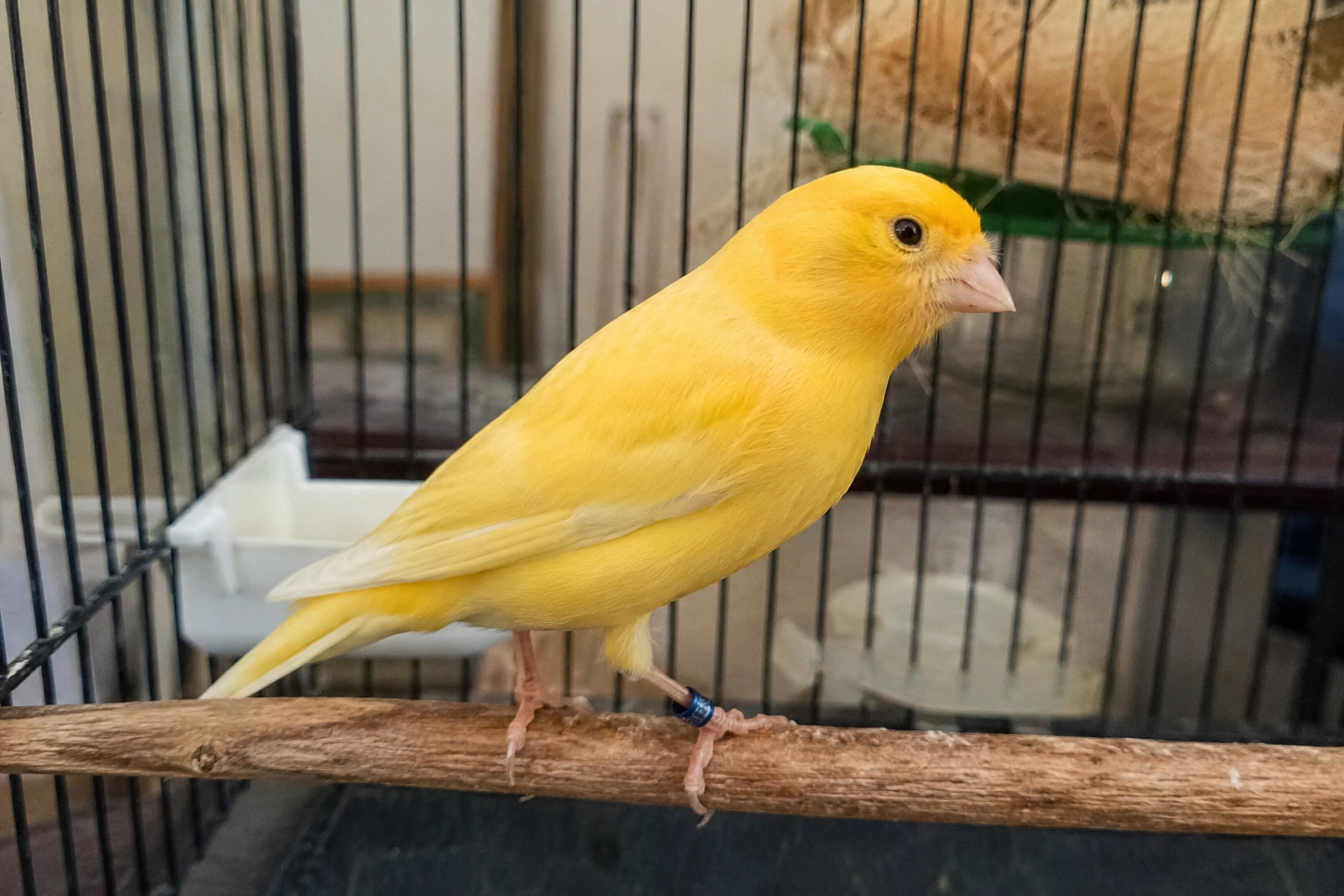
If you are looking for a beautiful, low maintenance pet bird, a canary is one of the best choices. This Canary care guide for beginners will help you understand everything you need to know before bringing one home. Canaries are famous for their bright colors, sweet singing, and peaceful nature. Unlike parrots, they do not demand constant attention, making them ideal for first time bird owners.
Although canaries are relatively easy to care for, they still need the right cage, proper nutrition, clean surroundings, and regular health monitoring. Giving your bird the right care will help it stay active, healthy, and happy for many years.
Why Choose a Canary as a Pet
Canaries have been popular companion birds for hundreds of years. They are small, gentle, and easy to keep in apartments or homes with limited space. Male canaries are especially loved for their beautiful songs, which they sing throughout much of the year.
These birds are also less noisy than many pet parrots. They enjoy watching their surroundings and entertaining their owners with cheerful singing without needing to be handled every day.
A healthy canary can live between 10 and 15 years with proper care, making it a long term companion for bird lovers.
Choosing a Healthy Canary
Before buying a canary, spend a few minutes observing the bird. A healthy canary should appear alert, active, and curious.
Look for these signs.
Bright and clear eyes
Smooth and clean feathers
Clean nostrils without discharge
Steady breathing
Active movement around the cage
Avoid birds that appear sleepy, have fluffed feathers all day, breathe with an open beak, or sit quietly in one corner for long periods.
Buying your bird from a trusted breeder or a reputable pet store increases the chance of getting a healthy companion.
The Best Cage for a Canary
Choosing the right cage is one of the most important parts of proper Canary care for beginners.
Canaries love flying from one side of the cage to the other. A wider cage is much better than a tall one because it allows natural flight.
A single canary should have enough room to fly comfortably without hitting toys or perches. Horizontal bars are also helpful because they provide extra climbing opportunities.
Place natural wooden perches at different heights. Different perch sizes help keep your bird’s feet healthy.
Avoid overcrowding the cage with decorations. Your canary needs open flying space more than lots of accessories.
Where to Place the Cage
The location of the cage affects your bird’s health and comfort.
Keep the cage in a bright room where the family spends time, but avoid placing it directly under strong sunlight all day.
Stay away from air conditioners, heaters, kitchen smoke, and strong cooking odors. Sudden temperature changes can stress a canary.
During the night, your bird should enjoy around 10 to 12 hours of uninterrupted sleep in a quiet area.
What to Feed a Canary
A balanced diet is the key to raising a healthy canary.
Many beginners think seed mixes alone are enough, but a healthy diet includes much more than seeds.
Daily food should include high quality canary seed mix, fresh vegetables, leafy greens, and small amounts of fruit.
Good vegetables include spinach, broccoli, cucumber, carrots, and bell peppers.
Safe fruits include apples without seeds, pears, bananas, berries, and melon.
Fresh food should be removed after a few hours to prevent spoilage.
A cuttlebone or mineral block should always be available because it provides calcium that supports strong bones and healthy beaks.
Fresh clean water must be available every day. Replace the water daily even if it looks clean.
Foods You Should Never Feed
Some foods are dangerous for canaries and should never be offered.
Chocolate
Avocado
Alcohol
Caffeine
Onions
Garlic
Apple seeds
Fruit pits
Salty snacks
Sugary foods
These foods can cause serious illness and even become life threatening.
Keeping Your Canary Active
Although canaries do not play with toys as much as parrots, they still need daily activity.
Provide enough flying space inside the cage.
Simple swings, mirrors in moderation, and safe bird toys can encourage movement.
Some owners allow their canary supervised flight outside the cage inside a bird safe room with closed windows and covered mirrors.
Exercise helps maintain healthy muscles and reduces stress.
Bathing Your Canary
Canaries naturally enjoy bathing.
Offer a shallow dish of clean water several times each week. Most canaries will happily splash around and clean their feathers.
After bathing, remove the dish so the water stays clean.
Never force your bird into water because bathing should always be its own choice.
Cleaning the Cage
A clean environment helps prevent many health problems.
Replace cage liner every day or every other day.
Wash food and water dishes daily.
Clean perches weekly.
Deep clean the entire cage at least once every week using bird safe cleaning products.
A clean cage reduces bacteria, mold, and unpleasant odors.
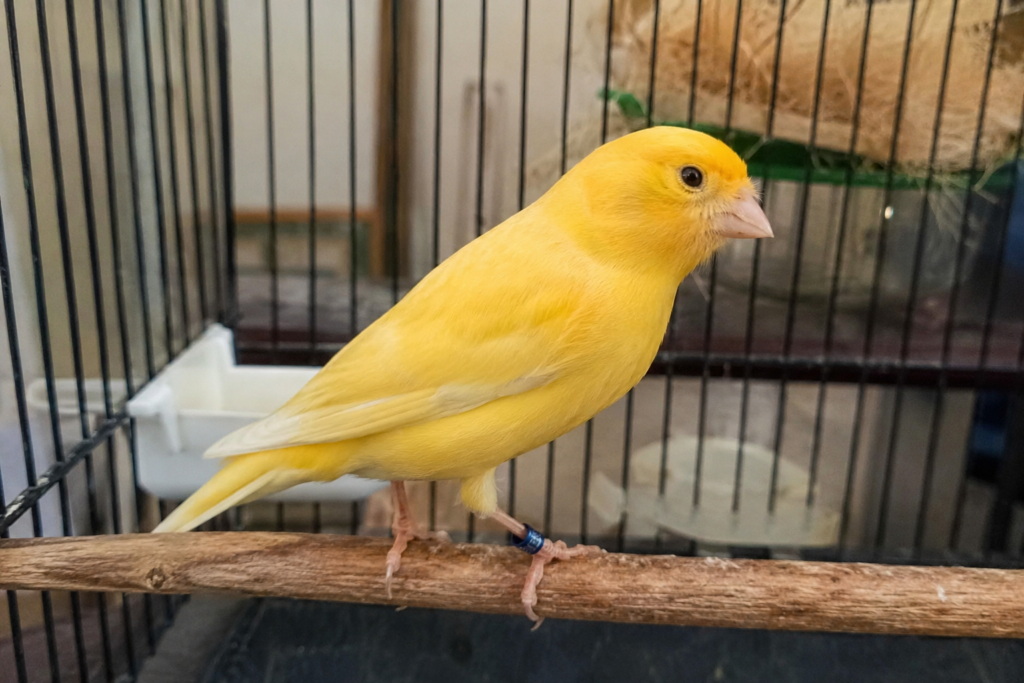
Understanding Canary Behavior
Canaries communicate through singing, movement, and body language.
A happy canary often sings, explores its cage, and keeps its feathers smooth.
Male canaries usually sing much more than females.
If your bird suddenly stops singing, it does not always mean something is wrong. Molting, seasonal changes, or stress can temporarily reduce singing.
Watch for signs of illness instead of judging health by singing alone.
Common Health Problems
Learning the early warning signs can save your bird’s life.
Watch for symptoms such as
Fluffed feathers all day
Loss of appetite
Weight loss
Labored breathing
Runny nose
Dirty feathers around the vent
Sleeping more than usual
Less activity
Any bird showing these symptoms should be examined by an avian veterinarian as soon as possible.
Birds naturally hide illness until they become very sick, so early action is extremely important.
Molting in Canaries
Molting is a normal process where old feathers fall out and new feathers grow.
During this period, your bird may sing less and become quieter than usual.
Provide extra nutrition with quality food, fresh vegetables, and clean water.
Avoid unnecessary stress while new feathers are growing.
Once molting finishes, most healthy canaries return to their normal active behavior.
Should You Handle a Canary
Unlike parrots, canaries are not naturally cuddly birds.
Many enjoy watching people but prefer not to be picked up frequently.
If you want to build trust, spend time sitting near the cage and speaking softly.
Offer treats through the cage bars until your bird becomes comfortable with your presence.
Respecting your canary’s personality creates a stronger bond over time.
Can Canaries Live Together
Canaries can sometimes live together peacefully, but space is important.
During breeding season, males may become territorial.
If keeping multiple birds, choose a larger cage so each bird has enough room.
Always monitor new birds carefully during introductions.
Many beginners prefer keeping one canary because it is easier to manage and allows better observation of its health.
Creating a Stress Free Environment
Stress can weaken a bird’s immune system.
Avoid loud noises, sudden movements, and constant disturbance near the cage.
Maintain a regular feeding schedule and avoid moving the cage frequently.
Providing a calm routine helps your canary feel safe and confident.
Beginner Mistakes to Avoid
Many new owners accidentally make simple mistakes that affect their bird’s health.
Keeping the cage too small
Feeding only seeds
Skipping regular cleaning
Ignoring early signs of illness
Placing the cage near the kitchen
Allowing dirty water to remain in the cage
Overcrowding the cage with toys
Avoiding these mistakes will make caring for your canary much easier.
Final Thoughts
This Canary care guide for beginners covers the basic steps every new bird owner should know. Canaries are gentle, beautiful, and rewarding pets that bring life and music into any home. With the right cage, a balanced diet, regular cleaning, fresh water, and a peaceful environment, your bird can stay healthy and active for many years.
Taking a little time each day to observe your canary is one of the best habits you can develop. Small changes in behavior often reveal early signs of health problems, allowing you to act quickly. By following this beginner friendly guide and giving your bird consistent care, you will enjoy the wonderful companionship of a happy and healthy canary for many years.