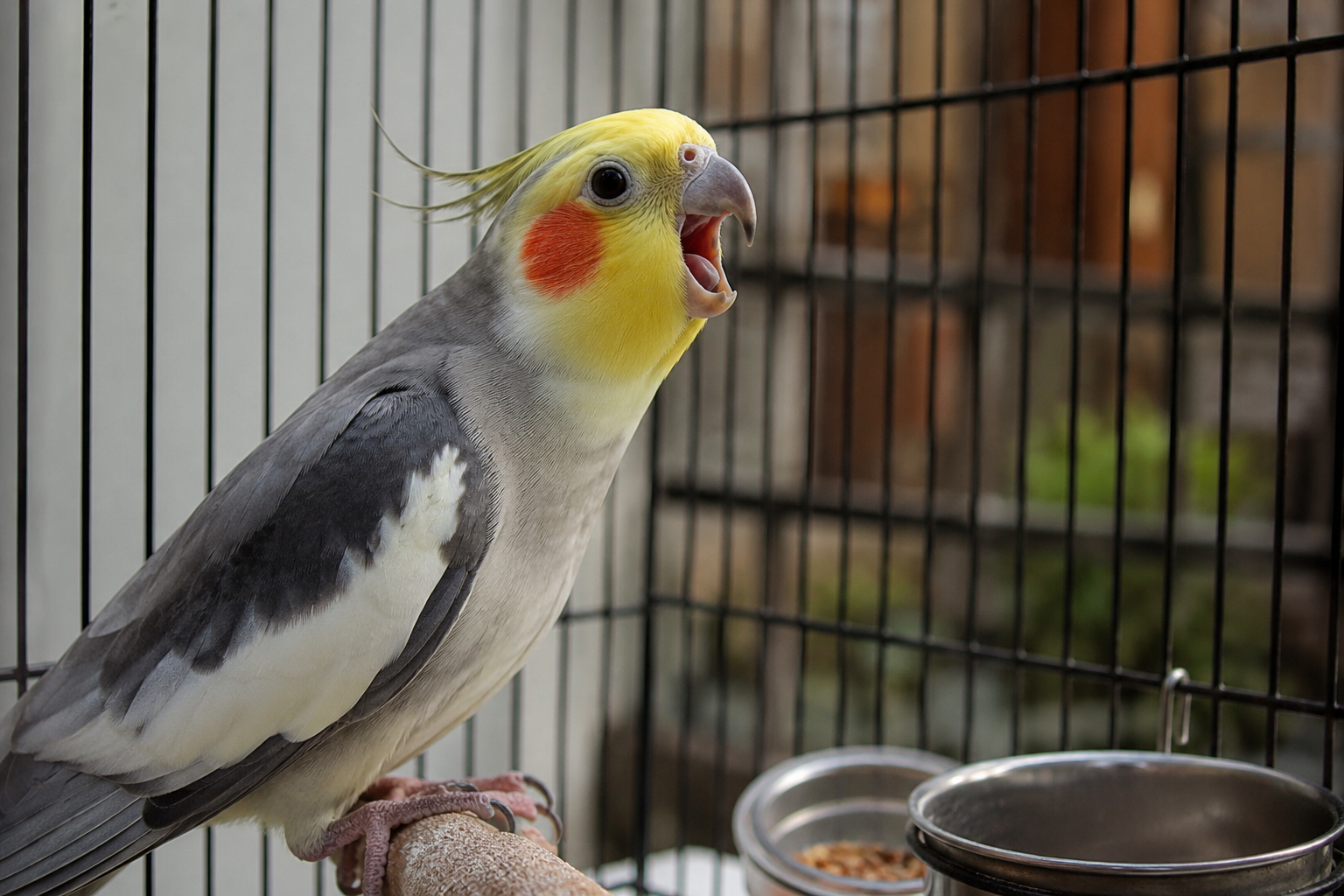
If you have ever shared your home with a pet bird, you already know they can be surprisingly loud. Many new bird owners ask the same question: Why do pet birds scream so much? The answer is not as simple as saying birds are naturally noisy. In reality, screaming is a form of communication. Your bird is trying to tell you something, and understanding that message is the key to solving the problem.
Some birds scream because they are bored. Others are lonely, scared, excited, or simply looking for attention. Learning the difference between normal vocalization and excessive screaming can help you create a happier environment for your feathered friend.
In this guide, we will explain why pet birds scream so much, when screaming is normal, and what you can do to reduce unwanted noise without harming your bird’s emotional well being.
What Is Normal Bird Screaming?
Before trying to stop screaming, it is important to understand that some noise is completely natural. Birds communicate with members of their flock through calls and sounds throughout the day.
In the wild, birds call to each other during sunrise and sunset to check that everyone is safe. This behavior often continues even after they become household pets.
Morning and evening vocalization is usually normal. Your bird may whistle, chirp, sing, or call loudly for several minutes. This is not bad behavior. It is simply part of being a bird.
The problem begins when screaming becomes constant, repetitive, or unusually loud for long periods.
Birds Use Screaming as Communication
One of the biggest mistakes owners make is assuming their bird screams just to be annoying.
Birds do not scream without a reason.
Unlike humans, they cannot explain their feelings with words. Instead, they communicate through body language and vocal sounds.
Your bird may be saying:
“I am hungry.”
“I want your attention.”
“I feel lonely.”
“I am scared.”
“I want to come out.”
“I heard something strange.”
Understanding the reason behind the screaming is much more effective than simply trying to make your bird quiet.
Loneliness Is One of the Biggest Reasons
Pet birds are highly social animals. In nature, many species spend nearly every minute with their flock.
When left alone for hours, they may begin screaming because they miss companionship.
Parrots, cockatiels, conures, African greys, macaws, and budgies all enjoy social interaction.
If your bird screams every time you leave the room, it may simply be calling for its flock, and in your home, you are the flock.
Spending quality time together every day can greatly reduce this type of screaming.
Boredom Leads to Excessive Noise
A bored bird often becomes a noisy bird.
Birds are intelligent animals that need daily mental stimulation. Sitting inside the same cage with nothing to do quickly becomes frustrating.
Signs of boredom include:
- Constant screaming
- Feather chewing
- Cage pacing
- Aggressive behavior
- Loss of interest in toys
Providing fresh toys, puzzle feeders, climbing ropes, swings, and natural branches gives your bird healthy activities throughout the day.
Rotating toys every week also helps keep things interesting.
Your Bird Wants Attention
Many owners accidentally teach their birds to scream.
Imagine your bird starts screaming. You immediately walk over, talk to it, or let it out of the cage.
From the bird’s perspective, screaming worked.
The bird learns that loud noise brings attention.
Over time, the screaming becomes stronger because it has been rewarded.
Instead, try rewarding quiet behavior. When your bird is calm, offer praise, treats, or interaction. This teaches your bird that being quiet earns rewards.
Fear Can Trigger Loud Screaming
Birds have excellent instincts.
Sudden movements, unfamiliar people, loud sounds, vacuum cleaners, fireworks, thunderstorms, or even shadows outside the window can frighten them.
When birds feel threatened, screaming alerts the rest of the flock to possible danger.
Pay attention to what happens before your bird starts screaming.
If the screaming always begins after a certain sound or event, removing that trigger may solve the problem.
Hormonal Changes
During breeding season, many pet birds become more vocal than usual.
Hormones can increase territorial behavior, excitement, and loud calling.
Signs of hormonal behavior include:
- Increased screaming
- Nesting behavior
- Aggression
- Regurgitating food
- Protecting certain areas
This phase usually improves over time, especially if your bird has a healthy routine with proper sleep and balanced nutrition.
Your Bird Is Not Getting Enough Sleep
Birds need far more sleep than many people realize.
Most pet birds require around 10 to 12 hours of uninterrupted darkness every night.
A bird that stays awake late because of television, bright lights, or household activity may become stressed and cranky.
Sleep deprived birds often scream more, become irritable, and develop behavioral problems.
Covering the cage or providing a quiet sleeping area can help improve your bird’s mood.
Hunger or Poor Diet
A hungry bird may become louder while asking for food.
Likewise, birds fed only seeds may develop nutritional deficiencies that affect both physical health and behavior.
A healthy diet should include:
- High quality pellets
- Fresh vegetables
- Safe fruits
- Healthy grains
- Clean drinking water every day
Proper nutrition supports better overall behavior.
Small Cages Increase Stress
Birds need room to stretch, climb, flap their wings, and explore.
A cage that is too small limits natural movement and creates frustration.
Stress often appears as loud screaming, feather plucking, or aggressive behavior.
Choose the largest cage you can reasonably provide.
Even birds with spacious cages still need supervised time outside for exercise and enrichment.
Lack of Exercise
Wild birds fly many miles every day.
Pet birds cannot meet those natural exercise needs unless owners provide opportunities.
Allowing your bird safe flight time or supervised play outside the cage helps release energy.
An active bird is generally calmer than one that spends the entire day sitting on one perch.
Changes in Routine
Birds enjoy consistency.
Moving furniture, changing cages, bringing home another pet, welcoming visitors, or changing work schedules can all create stress.
Some birds respond to these changes with excessive vocalization.
Whenever possible, keep feeding times, bedtime, and daily interaction consistent.
Predictable routines help birds feel secure.
Medical Problems Can Cause Screaming
Sometimes screaming has nothing to do with behavior.
Pain, illness, injury, or discomfort may cause sudden changes in vocalization.
Warning signs include:
- Loss of appetite
- Sleeping more than usual
- Fluffed feathers
- Difficulty breathing
- Sudden silence followed by loud crying
- Weight loss
If screaming begins suddenly along with other symptoms, contact an avian veterinarian as soon as possible.
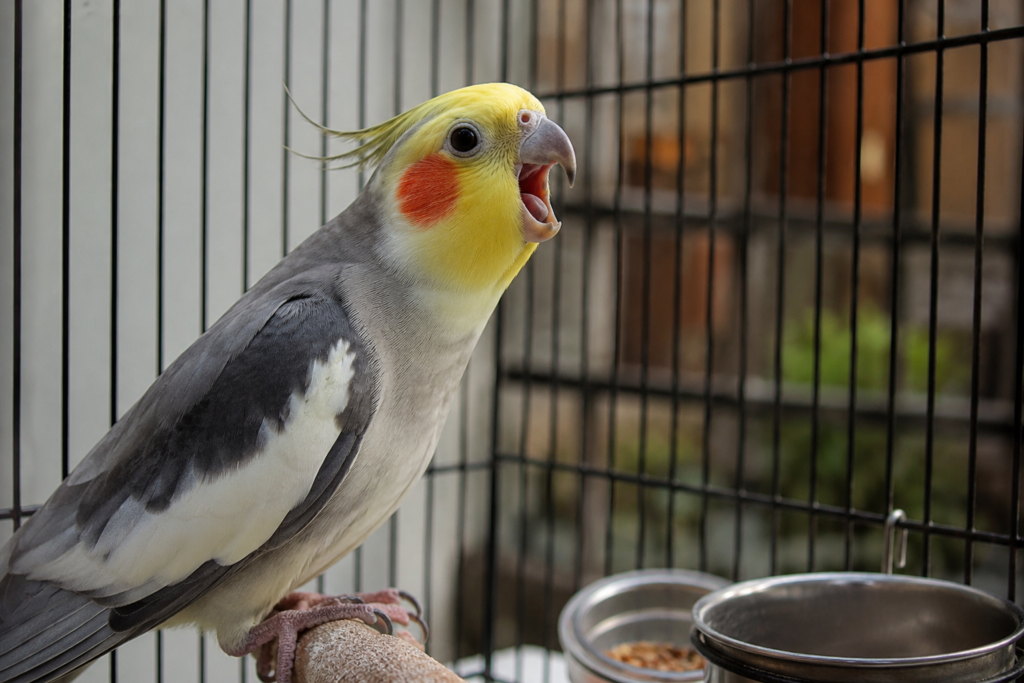
How to Reduce Excessive Bird Screaming
Stopping excessive screaming takes patience.
Punishing a bird rarely works and often damages trust.
Instead, focus on understanding why the bird is screaming.
Helpful strategies include:
Provide new toys regularly to prevent boredom.
Spend quality time interacting every day.
Reward quiet moments instead of responding to screams.
Maintain a consistent feeding and sleeping schedule.
Offer healthy foods and fresh water daily.
Provide enough cage space and supervised exercise.
Teach simple tricks using positive reinforcement.
Reduce stressful noises whenever possible.
Ignore attention seeking screams when it is safe to do so, then immediately reward calm behavior.
Consistency is much more effective than punishment.
What You Should Never Do
Many bird owners unknowingly make the problem worse.
Avoid these common mistakes:
Never yell back at your bird.
Do not hit or shake the cage.
Avoid spraying your bird with water as punishment.
Do not cover the cage every time your bird screams.
Never isolate your bird for long periods.
Negative punishment increases fear and anxiety, often making screaming even worse.
Positive training builds trust while encouraging better behavior.
Which Bird Species Scream the Most?
Some species naturally produce louder calls than others.
Large parrots such as macaws, cockatoos, and Amazon parrots are among the loudest pet birds.
Sun conures are also famous for their powerful voices despite their smaller size.
Cockatiels, budgies, lovebirds, and parrotlets are generally quieter, although they still vocalize every day.
Researching a bird’s natural noise level before bringing one home can prevent future disappointment.
Can You Completely Stop Bird Screaming?
The honest answer is no.
Birds are naturally vocal animals.
Expecting complete silence is unrealistic.
However, you can significantly reduce unnecessary screaming by understanding your bird’s emotional and physical needs.
Most excessive screaming is a sign that something in the bird’s environment or routine needs attention.
When those needs are met, birds usually become calmer, healthier, and much easier to live with.
Final Thoughts
If you have been wondering why do pet birds scream so much, remember that screaming is your bird’s way of communicating. Whether your bird feels lonely, bored, excited, frightened, or simply wants your attention, every scream has a purpose.
Rather than viewing screaming as bad behavior, treat it as a clue. Observe when it happens, identify the trigger, and respond with patience instead of frustration. Over time, positive reinforcement, daily interaction, mental stimulation, proper nutrition, and a stable routine can dramatically reduce excessive noise.
A happy bird is not always a quiet bird, but it is much less likely to scream without reason. By understanding your feathered companion’s natural behavior, you can build a stronger bond while creating a peaceful and enjoyable home for both of you.