If you are bringing home your first pet bird, one of the most important decisions you will make is creating the best bird cage setup for beginners. A comfortable cage is more than just a place where your bird sleeps. It becomes your bird’s home, playground, feeding area, and safe space. A well planned cage setup helps reduce stress, encourages natural behavior, and keeps your feathered friend healthy and happy.
Many new bird owners focus only on buying a beautiful cage, but the accessories and layout inside the cage matter just as much. A properly organized bird cage gives your pet enough room to move, play, eat, and rest without feeling crowded.
In this guide, you will learn everything you need to know about creating the best bird cage setup for beginners.
Choose the Right Cage Size
The first step is selecting the right cage. Bigger is almost always better because birds love to fly, climb, and stretch their wings.
Your bird should be able to fully spread both wings without touching the cage bars. It should also have enough space to hop from perch to perch comfortably.
For small birds like budgies, finches, and canaries, choose a cage that is wider instead of taller. Horizontal space allows birds to fly naturally.
For cockatiels, lovebirds, and conures, choose an even larger cage with plenty of climbing space.
A spacious cage gives your bird more freedom, improves physical health, and prevents boredom.
Pick Safe Cage Materials
Safety should always come first when selecting a bird cage.
The best bird cages are made from powder coated steel or stainless steel. These materials are durable, easy to clean, and safe for birds.
Avoid cages with peeling paint, rust, or unknown metal coatings because they may contain harmful chemicals.
Also check the spacing between the cage bars.
Small birds need narrow spacing to prevent escape or injury.
Large birds need slightly wider spacing while still preventing their heads from getting stuck.
A safe cage gives you peace of mind every day.
Place the Cage in the Right Location
Even the perfect cage will not help if it is placed in the wrong area.
Birds enjoy being close to their families. Place the cage in a room where people spend time during the day.
Avoid putting the cage directly in front of windows where intense sunlight may overheat your bird.
Keep the cage away from kitchens because cooking fumes, smoke, and nonstick cookware can be dangerous.
Stay away from air conditioners, heaters, and drafty windows since sudden temperature changes can affect your bird’s health.
Choose a quiet but social location where your bird feels included without being overwhelmed.
Install Comfortable Perches
Perches are one of the most important parts of any bird cage setup.
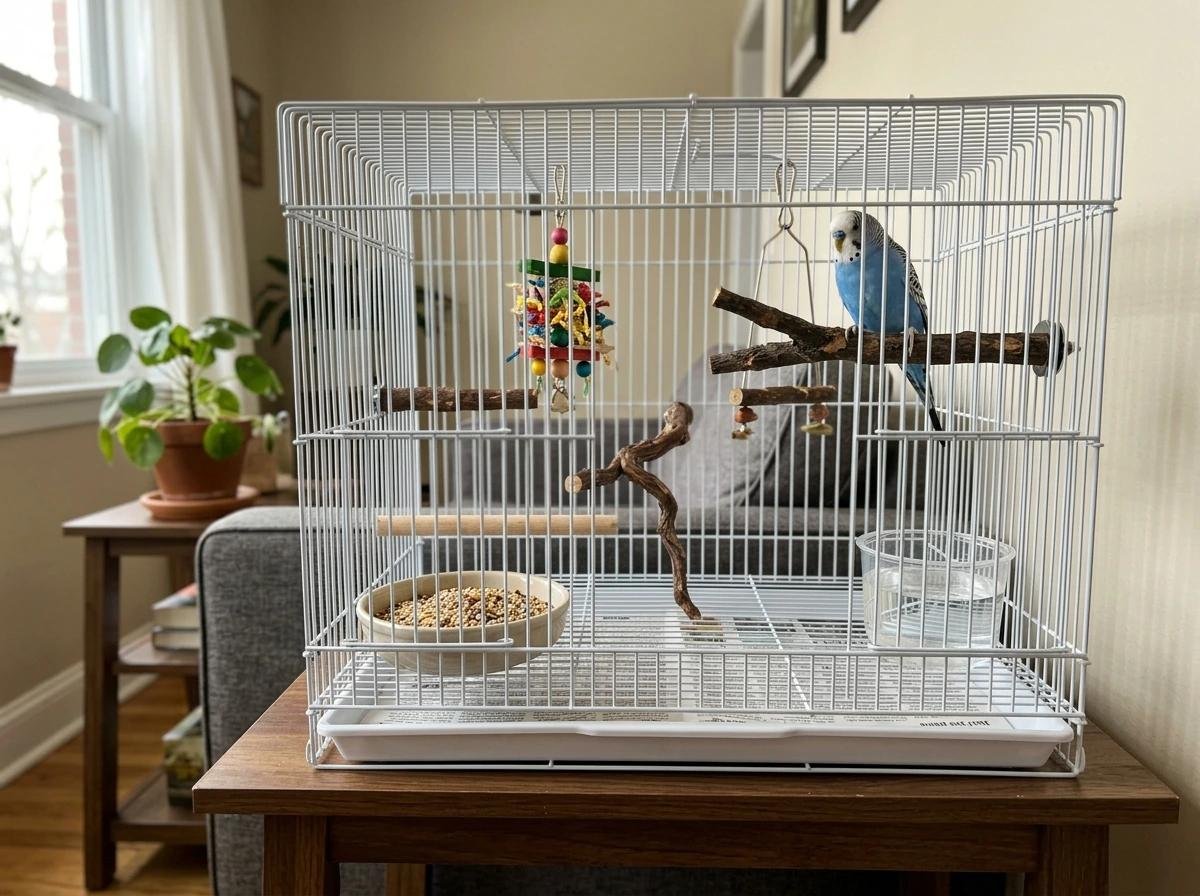
Many beginner cages include only smooth wooden dowels. While these are useful, birds also need natural branch perches with different shapes and thicknesses.
Different perch sizes exercise your bird’s feet and help prevent foot problems.
Place one perch near the food bowls.
Add another perch near the middle of the cage for daily activity.
Keep one higher perch for sleeping because most birds naturally sleep in elevated areas.
Do not overcrowd the cage with too many perches because your bird still needs open flying space.
Add Food and Water Bowls
Every bird cage needs clean food and fresh water available throughout the day.
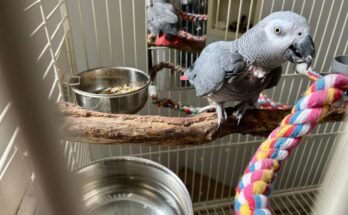
Choose stainless steel or high quality ceramic bowls because they are easy to clean and resist bacteria.
Place bowls where droppings cannot easily fall into them.
Replace fresh water every day even if it looks clean.
Wash food containers regularly using warm water to prevent bacteria buildup.
Fresh food and clean water are essential parts of a healthy bird cage setup.
Include Fun Bird Toys
Birds are intelligent animals that need daily mental stimulation.
Without toys, many birds become bored and may develop unwanted behaviors like feather plucking or excessive screaming.
A beginner bird cage should include several different toy types.
Chewing toys help satisfy natural instincts.
Shredding toys keep birds entertained for hours.
Bell toys provide sound and movement.
Swing toys encourage exercise and balance.
Puzzle toys stimulate your bird’s mind while rewarding problem solving.
Rotate toys every few weeks to keep the cage exciting and prevent boredom.
Create Separate Activity Areas
One mistake many beginners make is placing everything in one corner of the cage.
Instead, divide the cage into different zones.
Keep the feeding area in one location.
Create a play area with toys and swings.
Leave open flying space in the center.
Reserve the highest perch as a sleeping area.
This organized layout encourages natural movement and helps birds feel secure inside their environment.
Use Bird Safe Cage Liners
The bottom of the cage should be easy to clean.
Plain newspaper, paper towels, or bird safe cage liners work well.
Avoid scented paper, cedar shavings, pine bedding, or cat litter because these materials may release harmful chemicals or create dust.
Replace the liner every day to keep the cage fresh and hygienic.
A clean cage reduces bacteria and helps prevent illness.
Provide Natural Lighting
Birds benefit from natural daylight, but direct sunlight should be limited.
Place the cage where your bird receives indirect sunlight during part of the day.
Natural light supports healthy feather growth, proper sleep cycles, and overall wellbeing.
If natural light is limited, bird safe full spectrum lighting may also be helpful.
Remember to give your bird around ten to twelve hours of darkness each night for proper rest.
Keep the Cage Clean
Cleaning is one of the most important responsibilities of bird ownership.
Remove leftover food daily.
Replace dirty water with fresh water.
Clean droppings from perches when needed.
Wash food bowls every day.
Deep clean the entire cage every week using bird safe cleaning products.
Regular cleaning keeps your bird healthy and makes the cage smell fresh.
Add Enrichment Outside the Cage
Even the best bird cage setup cannot replace daily exercise outside the cage.
Allow your bird supervised time outside the cage every day in a safe room.
Provide a play stand or climbing gym if possible.
Interaction with you builds trust and strengthens your relationship.
Birds that receive regular exercise are generally healthier, happier, and more confident.
Avoid Common Beginner Mistakes
Many first time bird owners accidentally create uncomfortable cage environments.
Avoid overcrowding the cage with too many toys.
Do not place mirrors inside the cage for long periods because some birds become overly attached to their reflection.
Never use sandpaper perch covers because they may damage your bird’s feet.
Avoid placing food directly under perches where droppings can contaminate meals.
Do not ignore toy rotation because birds lose interest in the same toys over time.
Making these simple improvements creates a healthier living environment.
Recommended Cage Accessories
A beginner bird cage does not need expensive decorations.
Focus on practical items that improve comfort and health.
Include natural wood perches, stainless steel bowls, chewing toys, swings, shredding toys, ladders, mineral blocks if recommended for your bird species, and a quality cage liner.
Buying quality accessories once often saves money because they last much longer than cheaper alternatives.
Daily Cage Maintenance Routine
A simple daily routine keeps your bird comfortable.
Each morning, replace drinking water with fresh water.
Refill food bowls.
Remove leftover fruits and vegetables before they spoil.
Check toys for damage.
Spend time talking to your bird.
In the evening, remove visible waste and cover the cage if your bird sleeps better with a cover.
This routine only takes a few minutes but makes a big difference.
Final Thoughts
Creating the best bird cage setup for beginners does not have to be difficult. Start with a spacious and safe cage, add comfortable perches, provide nutritious food and clean water, include engaging toys, and maintain a clean environment. Your bird will quickly feel secure, active, and comfortable in its new home.
Remember that every bird has its own personality. Watch how your bird interacts with the cage and make small adjustments over time. Some birds enjoy climbing, while others prefer flying between perches. Learning your bird’s preferences will help you build an even better habitat.
A thoughtful cage setup is one of the greatest gifts you can give your feathered companion. With the right environment, your bird can stay healthy, happy, and full of energy for many years.