If you want your pet bird to stay healthy, active, and happy, choosing the best cage accessories for pet birds is just as important as choosing the right cage. A bird spends a large part of its life inside its cage, so the environment should keep it comfortable, entertained, and mentally stimulated. The right accessories help prevent boredom, encourage natural behaviors, and make your bird feel safe.
Whether you own a budgie, cockatiel, lovebird, conure, canary, or parrot, adding quality cage accessories can make a huge difference in your bird’s daily life. In this guide, I will share the best bird cage accessories every bird owner should consider and explain how each one benefits your feathered friend.
Why Cage Accessories Matter
Many new bird owners believe that food and water are enough for their pet. In reality, birds are intelligent animals that need physical activity and mental stimulation every day.
Without proper cage accessories, birds may become stressed, bored, or develop unwanted behaviors like feather plucking, excessive screaming, or aggression. A well equipped cage keeps your bird active and provides opportunities to climb, chew, play, and rest.
The goal is to create an environment that feels natural while also meeting your bird’s daily needs.
Natural Wooden Perches
One of the most important accessories every bird cage should have is a variety of natural wooden perches.
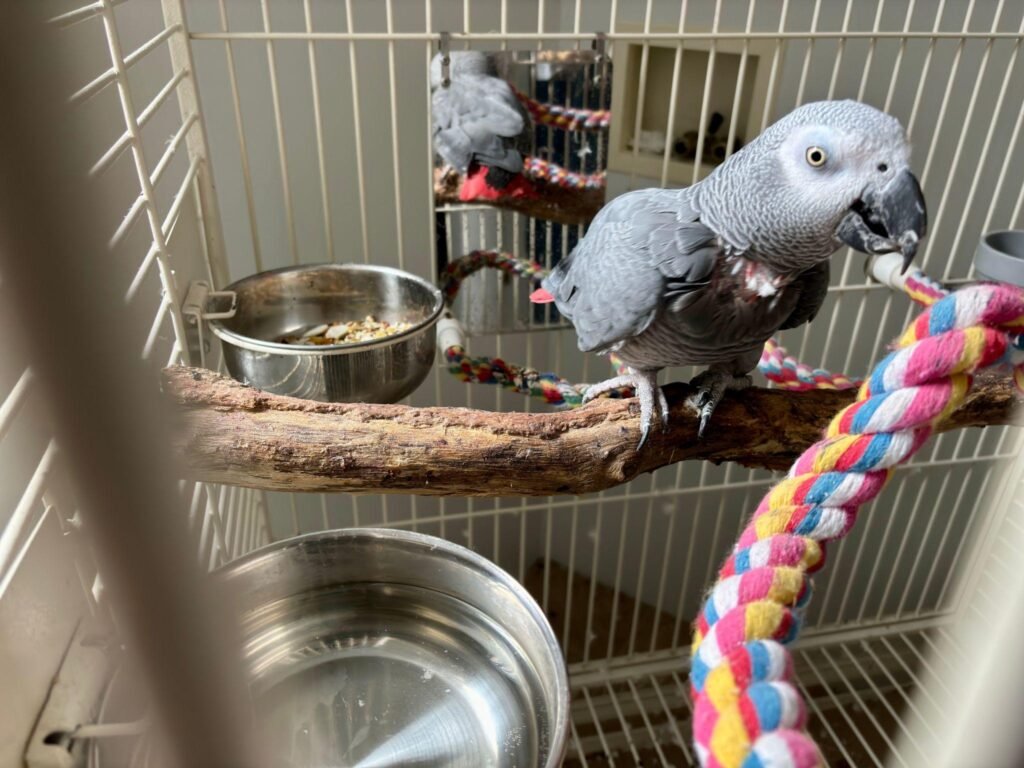
Natural branches have different shapes and thicknesses that exercise your bird’s feet and improve grip. Unlike smooth plastic dowels, wooden perches reduce pressure on the feet and help prevent foot problems.
Choose untreated branches from bird safe trees such as apple, willow, or manzanita. Different sizes encourage natural movement and make climbing easier.
Place several perches at different heights inside the cage so your bird has multiple resting spots.
Rope Perches
Rope perches provide a soft surface that many birds enjoy walking on. They are flexible and can be shaped into different positions, making the cage more interesting.
These perches are especially useful for older birds that may have weaker feet or arthritis. They also create extra pathways for climbing.
Check rope perches regularly for loose threads because birds may accidentally get their toes caught if the rope becomes damaged.
Food and Water Bowls
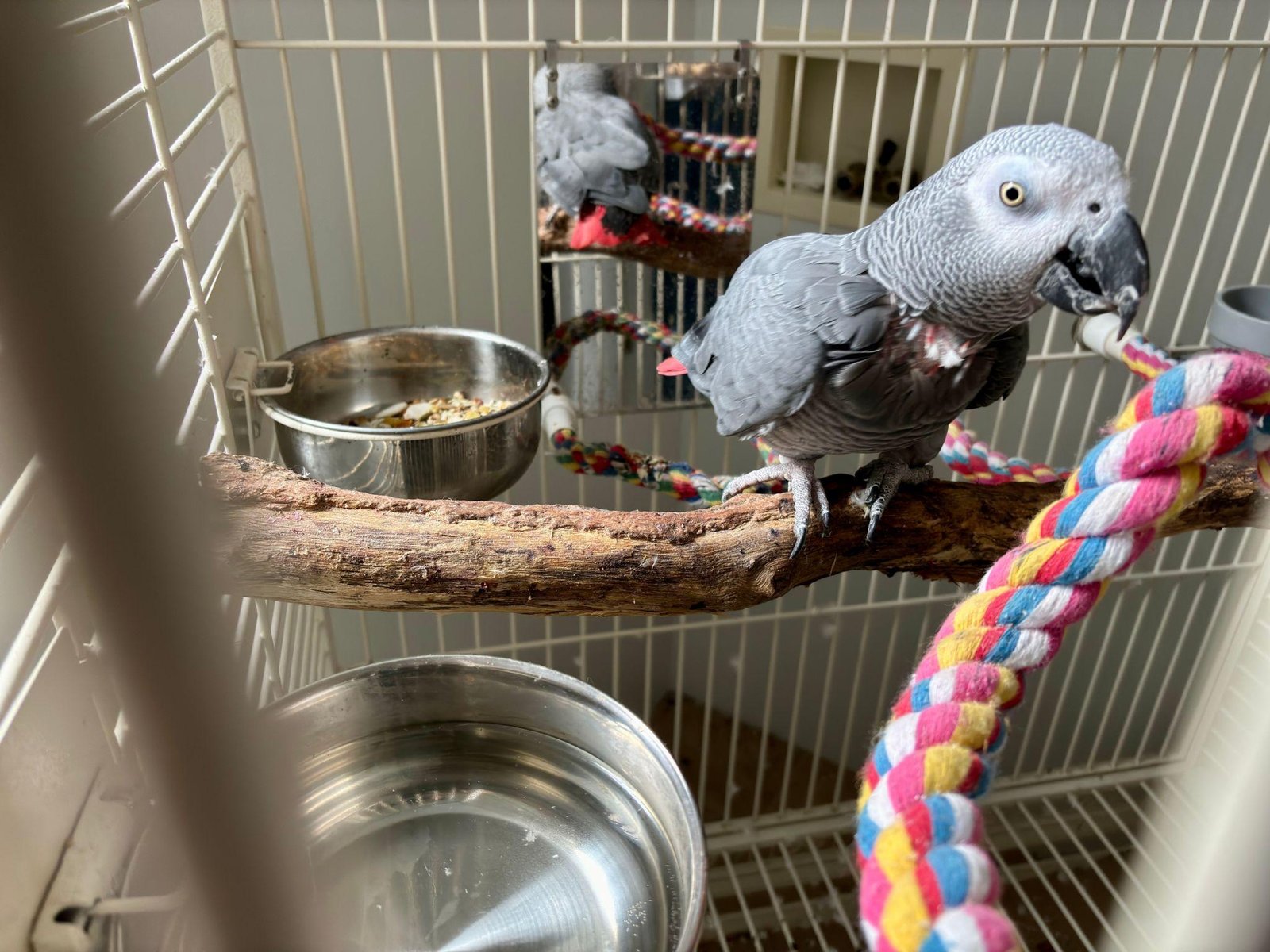
High quality stainless steel bowls are among the best cage accessories for pet birds.
Plastic bowls can scratch over time, making them harder to clean and allowing bacteria to grow. Stainless steel bowls are durable, easy to wash, and last much longer.
Many bird owners also keep separate bowls for fresh vegetables, seeds, pellets, and water to maintain cleanliness.
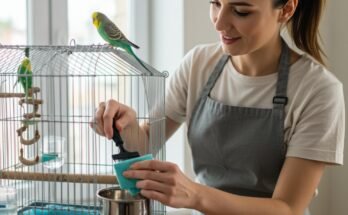
Clean food and water containers every day to keep your bird healthy.
Bird Swings
Most pet birds love swinging because it adds movement to their environment.
A bird swing encourages exercise while giving your bird a fun place to relax. Swings are especially popular with budgies, cockatiels, lovebirds, and small parrots.
Choose swings made from natural wood, cotton rope, or bird safe materials without toxic paint.
Hang the swing where your bird can easily reach it without blocking access to food or water.
Climbing Ladders
Birds naturally enjoy climbing, and ladders encourage this behavior inside the cage.
Wooden ladders allow birds to move between different cage levels while improving balance and coordination.
Ladders also help young birds develop confidence and provide extra exercise throughout the day.
Adding more than one ladder creates different climbing routes that keep your bird active.
Bird Toys
No list of the best cage accessories for pet birds is complete without toys.
Birds are intelligent animals that need mental stimulation every day. Toys reduce boredom and prevent destructive behaviors.
Different types of toys include chewing toys, puzzle toys, hanging toys, bells, wooden blocks, and shredding toys.
Rotate toys every few weeks instead of keeping the same ones inside the cage all year. Changing toys keeps your bird curious and interested.
Avoid toys with small removable parts that could become choking hazards.
Chew Toys
Chewing is a natural behavior for parrots and many other pet birds.
Wooden chew toys help keep your bird’s beak in good condition while satisfying the urge to chew.
Bird safe wood, palm leaves, coconut shells, and vegetable based materials are excellent choices.
Replacing worn chew toys regularly keeps your bird entertained while protecting furniture and cage bars from excessive chewing.
Foraging Toys
Foraging toys encourage birds to search for food just as they would in the wild.
Instead of simply placing food in a bowl, you can hide small treats inside puzzle toys or paper cups designed for birds.
Foraging activities provide both physical exercise and mental stimulation.
Many bird owners notice that their birds become calmer and more active after introducing foraging toys into the cage.
Cuttlebone
A cuttlebone is a simple but valuable cage accessory.
It provides calcium that supports strong bones, healthy egg production in breeding females, and proper beak maintenance.
Most birds naturally chew on cuttlebones whenever they need extra minerals.
Replace the cuttlebone once it becomes too small or dirty.
Mineral Blocks
Mineral blocks work alongside cuttlebones by supplying additional minerals that support overall bird health.
Some birds prefer mineral blocks over cuttlebones, while others enjoy both.
Always choose products specifically designed for pet birds.
Bird Bath
Many birds love bathing because it keeps their feathers clean and healthy.
A small bird bath or bathing dish allows your pet to splash around and maintain feather condition.
Some birds enjoy misting instead of bathing in water bowls.
Offer a bath several times each week depending on your bird’s preferences.
Sleeping Hut or Tent
Some small birds enjoy cozy sleeping tents or huts where they feel secure at night.
However, not every species benefits from enclosed sleeping huts. Certain parrots may become overly territorial or develop nesting behaviors.
Observe your bird carefully to decide whether this accessory is suitable.
If the fabric becomes damaged, replace it immediately to prevent accidental entanglement.
Cage Liners
Cage liners make cleaning much easier while helping you monitor your bird’s droppings.
Paper liners are generally the safest option because they contain no harmful chemicals.
Avoid glossy magazines, scented paper, or materials that may contain toxic ink.
Replacing cage liners every day keeps the cage fresh and hygienic.
Bird Mirrors
Some birds enjoy mirrors, especially single birds without companions.
A mirror can provide temporary entertainment, but it should not replace real social interaction.
If your bird becomes overly attached to the mirror or starts showing aggressive behavior toward it, remove the mirror from the cage.
Watch your bird’s behavior and use mirrors only if they provide positive enrichment.
Hanging Bells
Bird safe bells can provide fun sounds and interactive play.
Many parrots enjoy ringing bells with their beaks or feet throughout the day.
Always choose bird specific bells without narrow openings that could trap toes or beaks.
Safety should always come before entertainment.
Climbing Nets
Climbing nets give birds another opportunity to exercise naturally.
These nets encourage stretching, balancing, and climbing while making the cage more interesting.
Cotton climbing nets are commonly used for parrots, cockatiels, and conures.
Inspect the net regularly for damage and replace it if loose threads appear.
Cage Covers
Birds need quality sleep every night.
A breathable cage cover helps reduce light and disturbances during bedtime.
Covering the cage at night creates a calm sleeping environment while maintaining proper airflow.
Most pet birds require between ten and twelve hours of uninterrupted sleep.
How to Arrange Cage Accessories
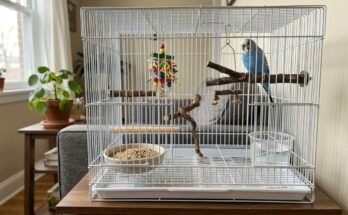
Even the best cage accessories for pet birds can become a problem if the cage becomes overcrowded.
Leave enough open space for flying and climbing. Food and water bowls should always remain easy to access.
Place perches at different heights, but avoid positioning them directly above food dishes where droppings can contaminate meals.
Keep toys spread throughout the cage instead of placing everything in one corner.
Rearranging accessories occasionally can make the environment feel new and exciting.
Safety Tips When Choosing Bird Cage Accessories
Always purchase accessories made specifically for birds.
Avoid products with toxic paint, zinc coated metal, sharp edges, loose strings, or small removable parts.
Inspect every accessory regularly for damage and replace worn items before they become dangerous.
Clean perches, toys, bowls, and swings frequently to prevent bacteria from building up.
Introducing new accessories slowly allows shy birds to adjust without becoming frightened.
Final Thoughts
Choosing the best cage accessories for pet birds helps create a happier, healthier, and more enriching home for your feathered companion. Simple additions like natural perches, swings, chew toys, foraging toys, stainless steel bowls, and bird baths provide both physical exercise and mental stimulation.
Remember that every bird has its own personality. Some love climbing, while others enjoy chewing or solving food puzzles. Watch how your bird interacts with each accessory and make changes based on its preferences.
With a clean, well organized cage filled with safe and engaging accessories, your pet bird will stay active, entertained, and comfortable for many years.