If you own a pet bird, one of the most important responsibilities you have is keeping its cage clean. Many new bird owners ask the same question, how often should you clean a bird cage? The answer depends on the type of bird, the size of the cage, and how messy your feathered friend is. However, every bird owner should follow a regular cleaning schedule to keep their pet healthy and happy.
A clean bird cage is not just about making your home look nice. It helps prevent bacteria, mold, parasites, and bad odors from building up inside the cage. Birds spend most of their time eating, sleeping, playing, and resting in their cage. If their living space is dirty, they can become stressed or even develop serious health problems.
In this guide, you will learn how often you should clean a bird cage, why regular cleaning matters, and the best way to keep your bird’s home fresh every day.
Why Cleaning a Bird Cage Is Important
Birds are naturally clean animals. In the wild, they live in open environments where waste does not collect in one place. Inside a cage, droppings, food scraps, feathers, and dust can quickly build up.
A dirty cage can cause several problems including:
Poor air quality
Growth of harmful bacteria
Fungal infections
Bad smells
Attracting insects
Higher risk of illness
A clean cage keeps your bird healthier and makes it more active. It also gives you a better environment inside your home.
How Often Should You Clean a Bird Cage?
The simple answer is that you should perform light cleaning every day and a complete deep cleaning once every week.
Some birds may require more frequent cleaning depending on their size and habits. Larger birds usually create more mess than smaller birds.
Here is a simple cleaning schedule most bird owners can follow.
Daily Cleaning
Daily cleaning is essential because birds produce waste throughout the day.
Every day you should:
Remove droppings from cage liners
Replace dirty cage paper
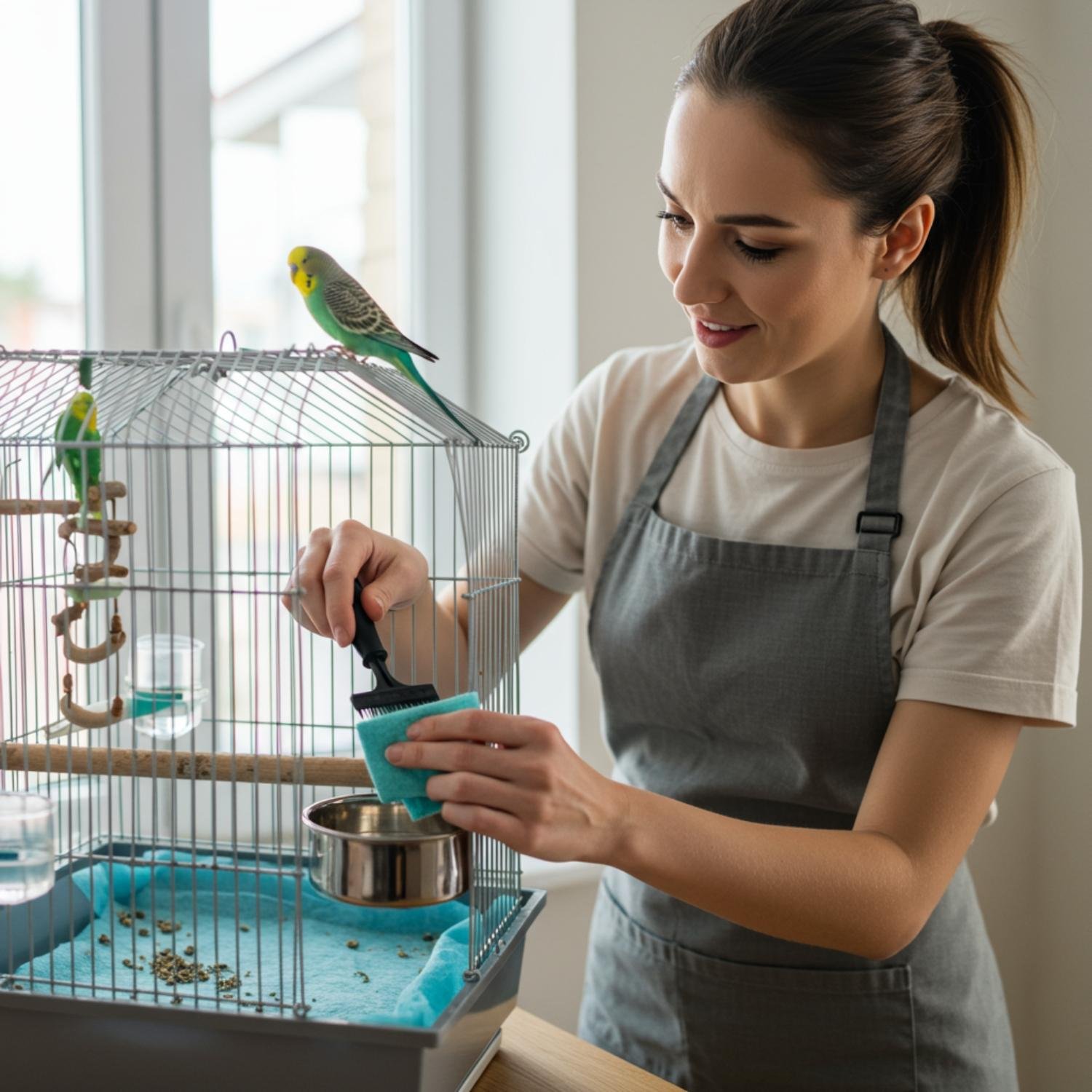
Wash food bowls
Wash water dishes
Remove leftover fruits and vegetables
Pick up loose feathers
Clean visible mess from perches
This daily routine usually takes only ten to fifteen minutes but makes a huge difference in keeping the cage fresh.
Weekly Deep Cleaning
Once every week, clean the entire cage thoroughly.
During weekly cleaning:
Remove all toys
Take out perches
Wash food and water bowls
Scrub cage bars
Clean the bottom tray
Wash ladders and swings
Disinfect safe surfaces
Allow everything to dry before putting your bird back inside
A deep cleaning removes bacteria that daily cleaning cannot eliminate.
Monthly Deep Cleaning
Once every month, spend extra time checking every part of the cage.
Inspect for:
Rust spots
Broken bars
Damaged toys
Loose screws
Old perches
Mold
Replace anything that could become unsafe for your bird.
Cleaning Schedule for Different Bird Species
Different birds create different amounts of waste.
Budgies
Budgies are relatively clean birds. Daily spot cleaning and weekly deep cleaning are usually enough.
Cockatiels
Cockatiels produce feather dust that spreads throughout the cage. You may need to wipe surfaces more often.
Lovebirds
Lovebirds enjoy throwing food around the cage. Daily cleaning is very important.
Conures
Conures can be messy eaters and may require wiping bars every day.
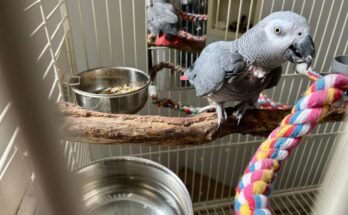
African Greys
These intelligent birds create a lot of dust and food waste. Regular deep cleaning keeps their environment healthy.
Macaws
Macaws are among the messiest pet birds. Their large droppings and food scraps often require more than one spot cleaning every day.
What Happens If You Do Not Clean the Cage Regularly?
Skipping cage cleaning can affect your bird’s health much faster than many people realize.
Dirty cages may lead to:
Respiratory infections
Digestive illnesses
Skin irritation
Parasites
Stress
Loss of appetite
Feather plucking
Even healthy birds can become sick if they live in dirty conditions for long periods.
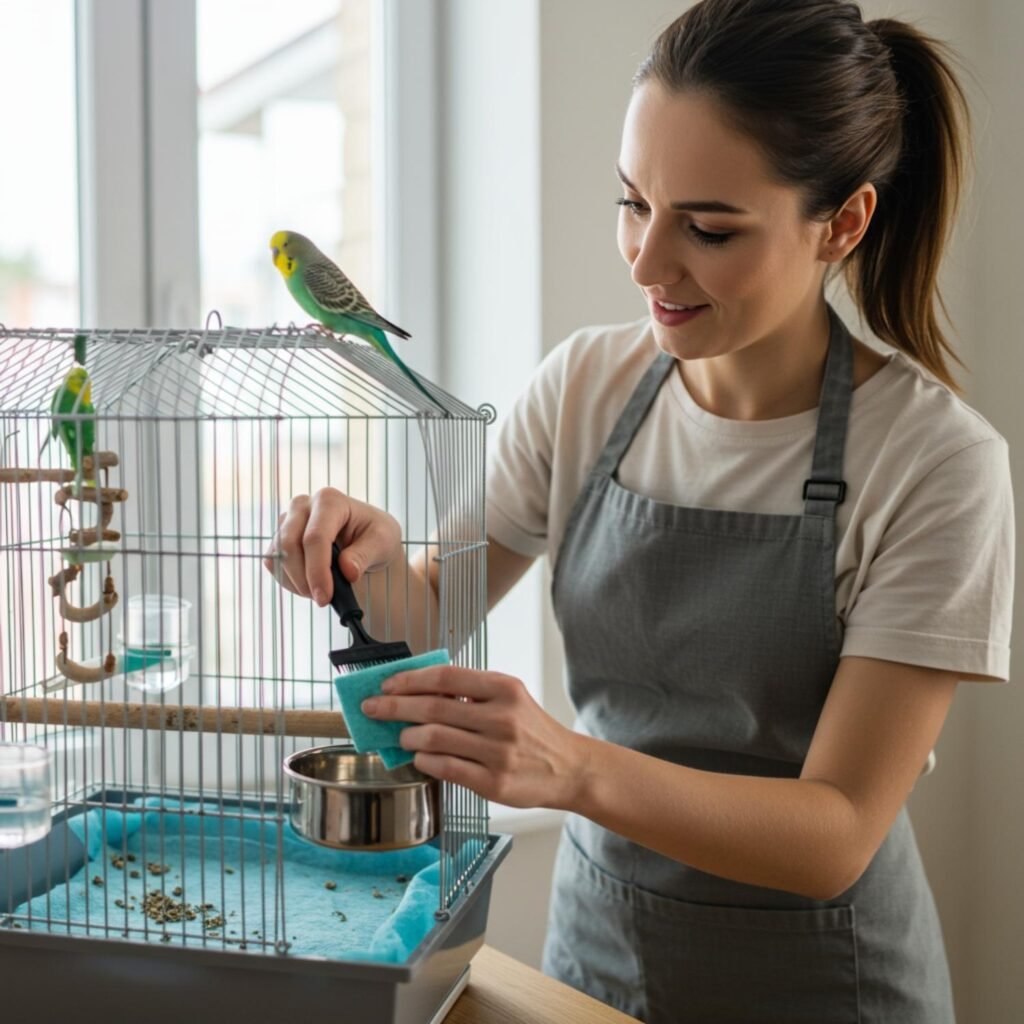
Best Cleaning Supplies for Bird Cages
Always choose bird safe cleaning products.
Useful supplies include:
Warm water
White vinegar mixed with water
Soft sponge
Scrub brush
Paper towels
Clean microfiber cloth
Bird safe disinfectant
Never use strong household chemicals because birds have very sensitive respiratory systems.
Cleaning Products You Should Never Use
Some common household cleaners can be dangerous.
Avoid:
Bleach
Ammonia
Strong bathroom cleaners
Air fresheners
Scented sprays
Furniture polish
Harsh chemical disinfectants
The fumes from these products may harm your bird even after the cage looks dry.
How to Clean Food and Water Bowls
Food bowls collect bacteria very quickly.
Wash bowls every day using warm water and mild dish soap.
Rinse them thoroughly before placing them back inside the cage.
Fresh water should be provided at least once every day. During hot weather, changing the water twice daily is even better.
Cleaning Bird Perches
Perches become dirty from droppings and food.
Remove them once every week.
Scrub with warm water.
Allow them to dry completely.
Natural wooden perches may need replacement after several months if they become damaged.
Cleaning Bird Toys
Birds chew their toys every day.
Dirty toys can collect bacteria.
Wash plastic toys weekly.
Natural wood toys should only be cleaned according to manufacturer recommendations.
Replace damaged toys immediately to prevent injury.
Replacing Cage Liners
The bottom cage liner should be changed every day.
Many bird owners use:
Plain newspaper
Paper towels
Unprinted paper
Avoid glossy magazines because some inks may not be safe.
Never use cedar or pine shavings unless specifically recommended for your bird species.
Tips to Keep the Cage Cleaner Longer
Although regular cleaning is necessary, these habits help reduce daily mess.
Place food bowls away from perches.
Use seed guards if needed.
Remove uneaten fresh food after two hours.
Give your bird separate play areas outside the cage.
Trim messy vegetables into smaller pieces.
Sweep around the cage daily.
These small habits make weekly cleaning much easier.
Signs Your Bird Cage Needs Immediate Cleaning
Sometimes you should clean the cage before your regular schedule.
Watch for these signs:
Strong odor
Visible mold
Sticky food buildup
Large amounts of droppings
Cloudy water
Dirty food bowls
Wet bedding
Insects near the cage
Whenever you notice these problems, clean the cage immediately.
Can You Use Vinegar to Clean a Bird Cage?
Yes. White vinegar mixed with warm water is one of the safest natural cleaners for bird cages.
A mixture of equal parts water and white vinegar helps remove dirt, mineral deposits, and mild odors.
Always rinse the cage with clean water afterward and allow it to dry completely before your bird returns.
Should You Move Your Bird During Cleaning?
Yes.
Place your bird in a travel cage or another safe location while cleaning.
This prevents stress and keeps your bird away from water, cleaning tools, and moving cage parts.
Many birds enjoy watching you clean from a nearby perch.
Keeping the Area Around the Cage Clean
Cleaning should not stop with the cage itself.
Vacuum feathers and seed shells around the cage every day.
Wipe nearby furniture regularly because feather dust can collect quickly.
A clean room supports better air quality for both you and your bird.
Common Cleaning Mistakes
Many first time bird owners accidentally make cleaning mistakes.
Common ones include:
Skipping daily cleaning
Using scented cleaners
Leaving wet surfaces inside the cage
Not washing food bowls daily
Ignoring dirty toys
Waiting until the cage smells bad
Cleaning consistently is much easier than dealing with heavy buildup later.
Creating a Simple Cleaning Routine
A regular routine saves time and keeps your bird healthy.
Morning:
Replace water.
Wash food bowls.
Remove overnight droppings.
Evening:
Throw away leftover fresh food.
Replace cage liner if needed.
Quickly wipe dirty areas.
Weekend:
Complete deep cleaning.
Wash all accessories.
Inspect cage parts.
Following this routine keeps the cage fresh without spending hours cleaning.
Final Thoughts
Knowing how often should you clean a bird cage is one of the most important parts of responsible bird ownership. Daily spot cleaning combined with a thorough weekly deep cleaning creates a healthy environment where your bird can thrive. Fresh food bowls, clean water, spotless perches, and a sanitized cage all help reduce the risk of illness while making your bird more comfortable.
Remember that every bird is different. Some species are naturally messier than others, so adjust your cleaning routine based on your pet’s habits. By staying consistent, you will enjoy a cleaner home, fewer odors, and most importantly, a happier and healthier feathered companion for many years.