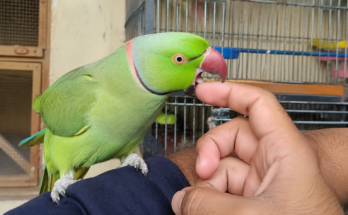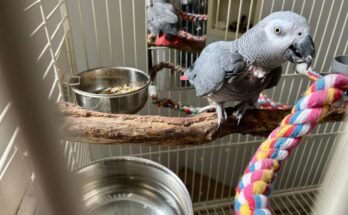
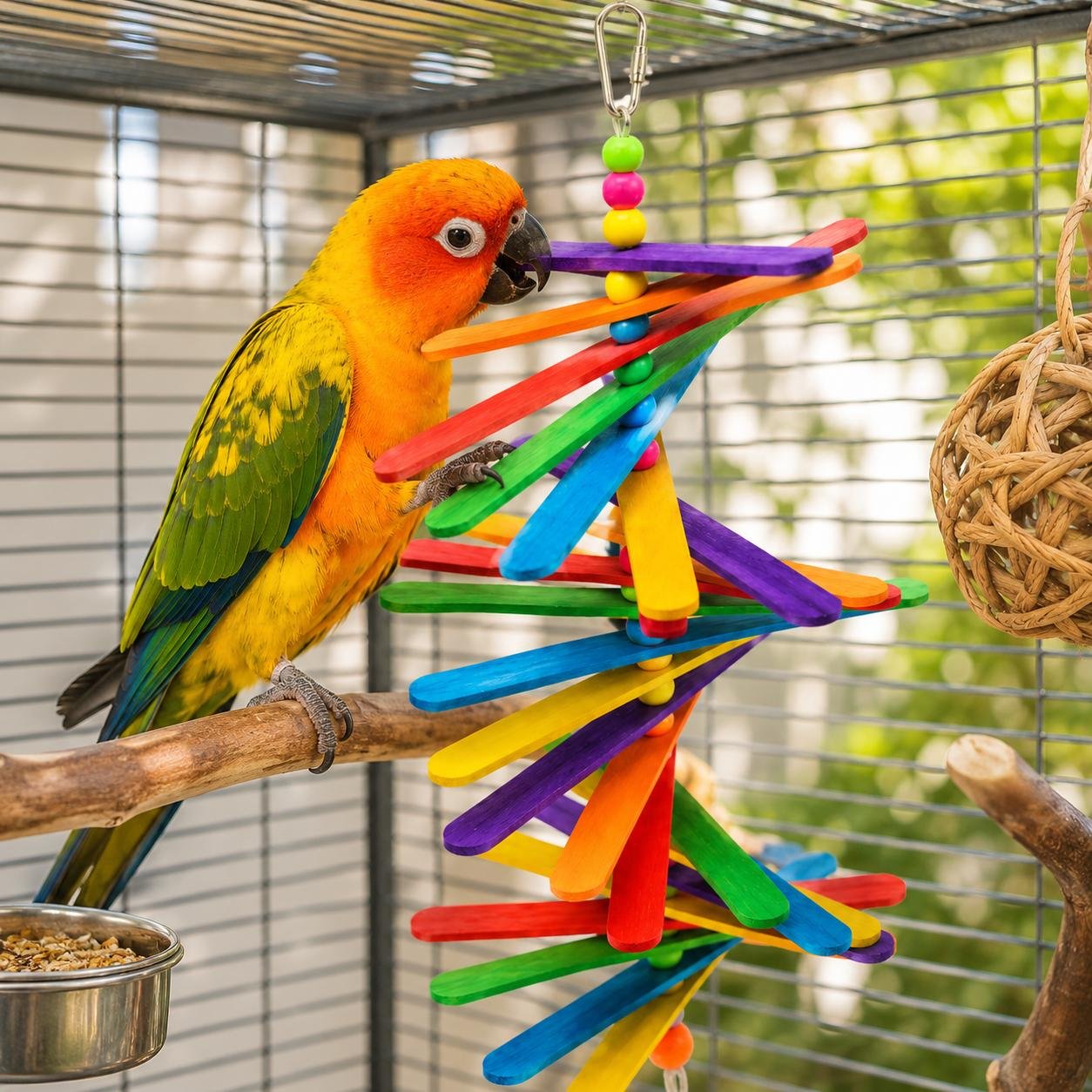
If you keep a pet bird, you already know how smart and active these little companions are. Birds are not animals that can stay happy by simply sitting inside a cage all day. They need mental stimulation, physical exercise, and fun activities to stay healthy. One of the easiest ways to achieve this is by choosing the best bird toys to prevent boredom.
A bored bird can quickly develop unwanted behaviors like feather plucking, excessive screaming, biting, or even depression. Good toys keep your bird entertained, encourage natural instincts, and improve overall wellbeing. Whether you own a budgie, cockatiel, lovebird, conure, African Grey, or macaw, the right toys can make a huge difference.
In this guide, I will explain which bird toys are worth buying, why birds need them, and how to choose the safest options for your feathered friend.
Why Birds Need Toys
In the wild, birds spend most of their day flying, searching for food, climbing trees, and interacting with other birds. Life inside a cage is much different. Even if your bird has a large cage, there are fewer opportunities to stay busy.
That is why toys are not just accessories. They are an important part of your bird’s daily life.
Bird toys help with:
- Preventing boredom
- Reducing stress and anxiety
- Encouraging natural chewing habits
- Providing physical exercise
- Improving balance and coordination
- Supporting mental development
- Preventing destructive behaviors
A bird that stays mentally active is usually healthier, friendlier, and more confident.
Chewing Toys
Chewing is a completely natural behavior for most pet birds. Birds use their beaks to explore everything around them. If they do not have safe toys to chew, they may start chewing cage bars, furniture, or even their own feathers.
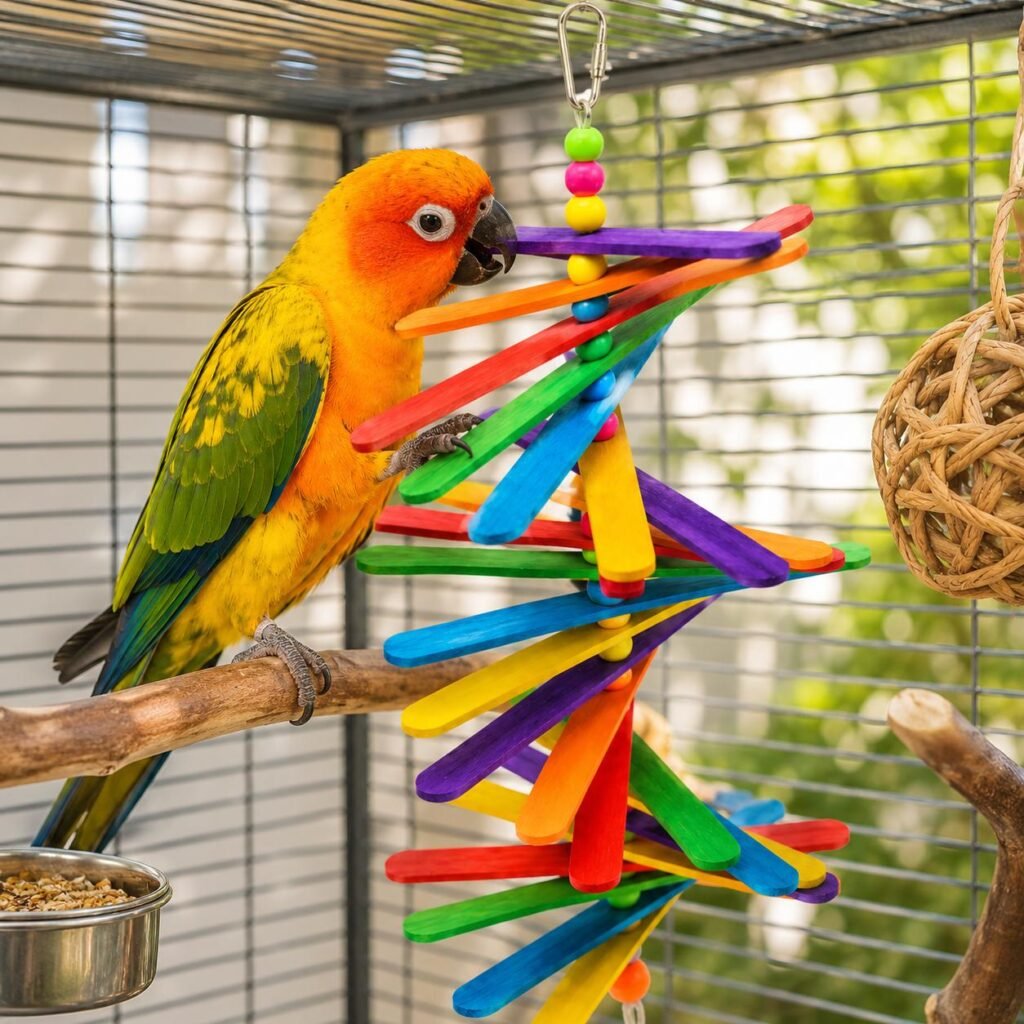
Wooden chew toys are among the best bird toys to prevent boredom because they keep birds occupied for hours.
Look for toys made from untreated natural wood. Soft woods are ideal for budgies and cockatiels, while larger parrots enjoy harder woods that take longer to destroy.
Many bird owners worry when their bird destroys a wooden toy quickly. In reality, that means the toy is doing its job.
Foraging Toys
Foraging toys are one of the best investments you can make for your bird.
Wild birds spend hours searching for food every day. Inside a cage, food is usually served in a bowl within seconds. This leaves birds with too much free time.
Foraging toys hide treats or pellets inside small compartments. Your bird has to solve simple puzzles or move objects to reach the food.
These toys encourage problem solving and keep birds mentally engaged.
You can even make simple DIY foraging toys using paper cups, cardboard tubes, or small untreated paper boxes filled with healthy treats.
Rope Toys
Rope toys provide climbing opportunities and improve balance.
Most birds enjoy climbing almost as much as flying. Cotton rope perches, rope ladders, and hanging rope toys encourage exercise while keeping birds entertained.
Always inspect rope toys regularly. If you notice long loose threads, replace the toy immediately because birds can become tangled in them.
Safe rope toys give birds another way to stay active throughout the day.
Swing Toys
Many pet birds absolutely love swings.
Swinging helps birds improve coordination while providing gentle movement that many birds find relaxing.
Budgies, cockatiels, lovebirds, and conures often spend hours playing on swings.
Wooden swings usually last longer than plastic ones, and they also provide extra chewing opportunities.
Adding one or two swings inside the cage creates a more interesting environment for your bird.
Bell Toys
Bell toys can be incredibly entertaining for curious birds.
The sound attracts attention and encourages birds to interact with the toy repeatedly.
Choose bells designed specifically for birds. Avoid cheap decorative bells with narrow openings or weak metal parts that could become dangerous.
Safe stainless steel bird bells are usually the best option because they resist rust and last much longer.
Some birds enjoy ringing bells while others simply enjoy carrying them around the cage.
Puzzle Toys
Some bird species are incredibly intelligent.
African Greys, Amazons, Cockatoos, and Macaws especially enjoy solving puzzles.
Puzzle toys challenge birds to move pieces, unlock compartments, or complete simple tasks before earning a reward.
These toys prevent boredom by making birds think rather than simply playing.
Mental exercise is just as important as physical exercise for intelligent parrots.
Shredding Toys
Birds naturally enjoy tearing things apart.
Instead of letting them destroy household items, provide shredding toys made from safe paper, cardboard, palm leaves, or natural fibers.
Shredding satisfies your bird’s natural instincts while keeping them occupied.
Many birds spend hours pulling apart paper strips or woven palm toys.
Replacing shredding toys regularly helps keep your bird interested.
Climbing Toys
Birds love exploring different heights.
Ladders, climbing nets, hanging bridges, and wooden climbing gyms allow birds to move around the cage instead of sitting in one place.
These toys strengthen muscles while encouraging exercise.
Changing the climbing layout every few weeks also creates a fresh environment that keeps birds curious.
Foot Toys
Larger parrots often enjoy holding objects with their feet while chewing.
Foot toys include small wooden blocks, leather strips, natural vine balls, and bird safe plastic toys.
Because these toys are lightweight, birds can easily pick them up and carry them around.
Foot toys are especially popular with conures, African Greys, Eclectus parrots, and macaws.
Mirror Toys
Mirror toys can entertain some birds, especially young budgies.
However, mirrors should be used carefully.
Some birds become overly attached to their reflection and may ignore human interaction or develop unhealthy behaviors.
If you notice your bird becoming obsessed with a mirror, remove it and replace it with more interactive toys.
Many bird experts recommend using mirrors only occasionally rather than permanently.
Rotating Bird Toys
One common mistake bird owners make is leaving the same toys inside the cage for months.
Eventually, birds become familiar with them and lose interest.
Instead, rotate toys every one or two weeks.
Keep several toys stored away and swap them regularly.
This simple trick makes old toys feel brand new again and helps prevent boredom without constantly buying new products.
Choosing Safe Bird Toys
Safety should always come before entertainment.
Not every toy sold online is actually safe for birds.
When shopping, look for toys made from:
Natural untreated wood
Vegetable dyed materials
Stainless steel hardware
Natural rope
Bird safe leather
Avoid toys containing:
Small removable parts
Lead or zinc metals
Toxic paints
Sharp edges
Long loose strings
Cheap glue
Regularly inspect every toy for damage and replace anything that looks unsafe.
DIY Bird Toys
You do not always have to spend money on expensive bird toys.
Many birds enjoy homemade toys just as much.
Simple ideas include:
Paper towel rolls filled with shredded paper
Cardboard boxes with hidden treats
Coffee filters folded with bird safe snacks
Paper cups stacked together
Natural untreated branches
Palm leaves tied together
Always make sure any homemade materials are free from chemicals, glue, ink, or harmful coatings.
How Many Toys Should a Bird Have?
There is no perfect number because it depends on the size of the cage and the bird species.
A small budgie cage may only need four to six different toys.
A large parrot enclosure can easily accommodate eight to twelve toys with enough space for movement.
Avoid overcrowding the cage.
Birds should still have room to stretch their wings, climb comfortably, and move freely between perches.
A balanced cage layout is always better than filling every empty space with toys.
Signs Your Bird Is Bored
Even with toys available, some birds may still become bored if they need more interaction.
Common signs include:
Constant screaming
Feather plucking
Aggressive biting
Sleeping more than usual
Pacing across the cage
Repeatedly chewing cage bars
Loss of interest in food
If you notice these behaviors, consider adding new toys, increasing out of cage time, teaching simple tricks, or spending more time interacting with your bird each day.
Cleaning Bird Toys
Dirty toys can collect bacteria, food residue, and droppings.
Wash plastic and stainless steel toys regularly using warm water and bird safe cleaning products.
Wooden toys should be cleaned carefully and replaced once they become excessively dirty or damaged.
Inspect toys during every cleaning session to ensure they remain safe.
Clean toys help protect your bird from illness while making playtime more enjoyable.
Final Thoughts
Choosing the best bird toys to prevent boredom is one of the simplest ways to improve your bird’s quality of life. Toys provide mental stimulation, physical activity, and healthy outlets for natural behaviors like chewing, climbing, shredding, and foraging. A bird that stays busy is usually happier, healthier, and more social.
The best approach is to offer a variety of toys instead of relying on just one type. Mix chew toys, foraging puzzles, swings, climbing accessories, shredding materials, and foot toys to create an exciting environment. Rotate them regularly to keep your bird curious and engaged.
Remember that every bird has its own personality. Some love solving puzzles, while others prefer chewing wood or climbing ropes. Spend time observing your pet’s favorite activities and build a collection of toys that matches those interests. With the right combination of enrichment and daily interaction, your feathered companion can enjoy a happy, active, and boredom free life for many years.