Best Healthy Treats for Indoor Cats That Support a Happy and Active Life
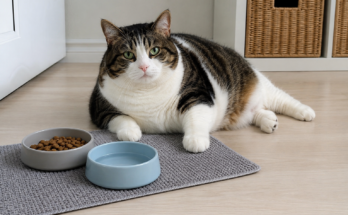
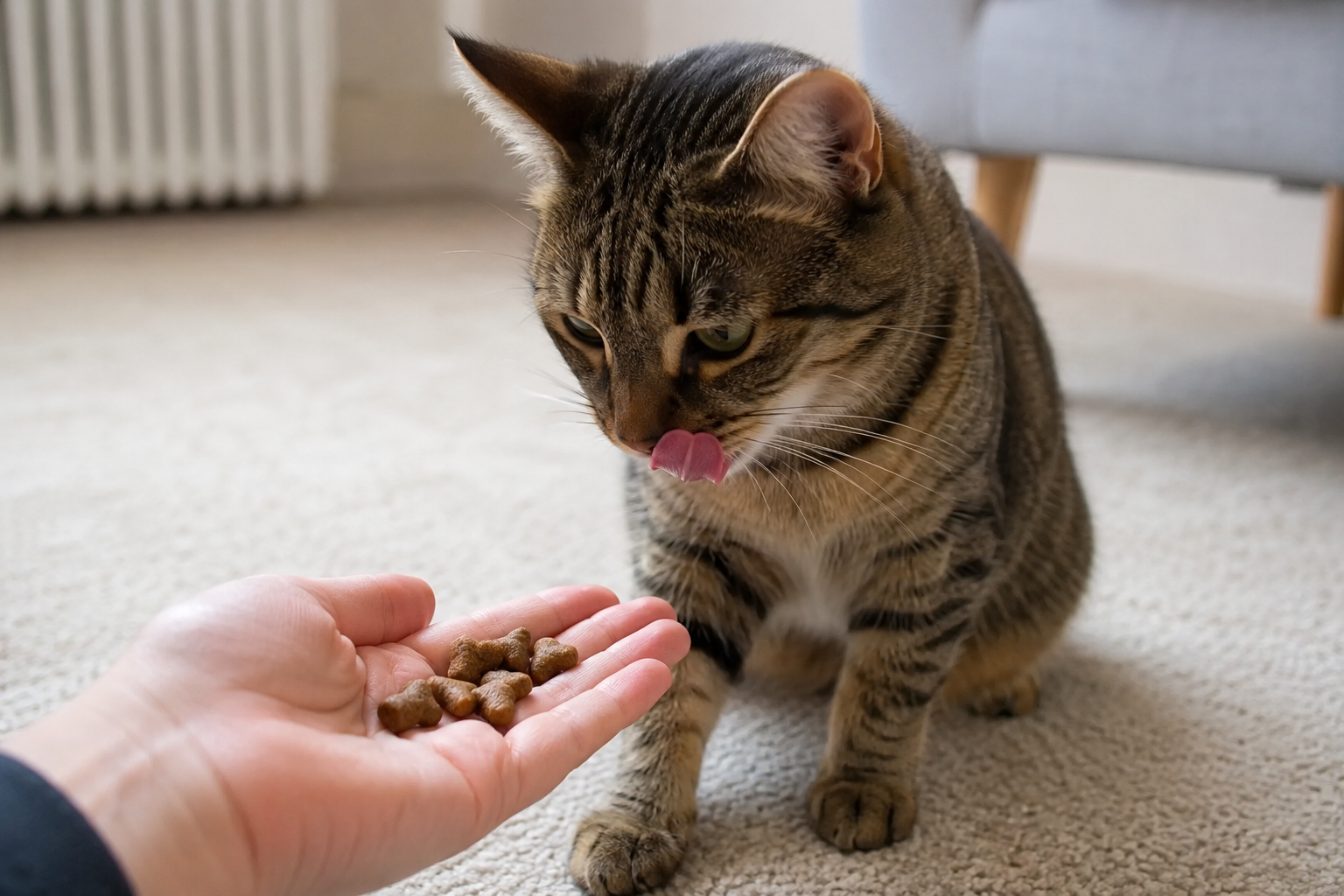
If you have an indoor cat, you probably enjoy spoiling them with tasty treats. Watching your cat come running after hearing the treat bag is one of the best moments for any pet owner. But while treats are a great way to reward good behavior and strengthen your bond, choosing the right ones is very important. Indoor cats usually burn fewer calories than outdoor cats, which means unhealthy snacks can quickly lead to weight gain and other health problems.
The best healthy treats for indoor cats are made with high quality ingredients, contain plenty of protein, and are low in calories. They should support your cat’s overall health instead of adding empty calories to their diet. In this guide, I will share the healthiest treat options, ingredients to look for, foods to avoid, and tips for feeding treats the right way.
Why Indoor Cats Need Healthy Treats
Indoor cats live a safer life, but they often get less exercise than cats that spend time outdoors. They may sleep for long hours and move around less during the day. Because of this, they are more likely to become overweight if they eat too many unhealthy snacks.
Healthy treats provide rewards without harming your cat’s health. They can also help improve dental hygiene, support digestion, encourage hydration, and even reduce boredom when used during play sessions.
Choosing nutritious treats means your cat gets something delicious while staying fit and healthy.
What Makes a Cat Treat Healthy
Not every treat sold in pet stores is actually good for your cat. Some products contain artificial colors, preservatives, sugar, or unnecessary fillers.
Healthy cat treats should include the following qualities.
High quality animal protein
Cats are obligate carnivores, which means they need meat to thrive. Look for treats made with chicken, turkey, salmon, tuna, duck, or other real meat as the first ingredient.
Low calorie content
Indoor cats do not need extra calories. A healthy treat should be small and low in calories so it does not contribute to obesity.
Natural ingredients
The fewer artificial ingredients, the better. Natural treats are easier to digest and often contain better nutrition.
Limited ingredients
Cats with sensitive stomachs or food allergies often benefit from treats made with only a few simple ingredients.
Added nutrients
Some treats contain vitamins, minerals, omega fatty acids, probiotics, or taurine that support overall health.
Freeze Dried Meat Treats
Freeze dried meat treats are among the healthiest options available for indoor cats. They contain very few ingredients and usually consist of pure meat with no unnecessary additives.
Popular choices include freeze dried chicken, salmon, turkey, rabbit, or duck.
These treats are packed with protein while remaining low in carbohydrates. Since they are minimally processed, they retain much of their natural nutrition.
Most cats love the rich flavor and crunchy texture.
Soft Protein Treats
Soft treats are perfect for senior cats or cats with dental problems. Many healthy soft treats are made from real chicken or fish and include added vitamins.
Look for products with high protein content and avoid those containing excessive fillers like corn or wheat.
Soft treats can also be broken into smaller pieces during training sessions, making them a great option for rewarding good behavior.
Dental Treats
Dental health is often overlooked in indoor cats. Plaque and tartar can build up over time, leading to bad breath and gum disease.
Healthy dental treats are specially designed to reduce plaque while giving your cat a satisfying crunch.
Although dental treats do not replace regular brushing, they can become part of a complete dental care routine.
Choose products approved by veterinary dental organizations whenever possible.
Cat Grass Treats
Many indoor cats enjoy chewing on cat grass. It provides fiber that may help with digestion and hairball control.
Cat grass is completely different from outdoor lawn grass. It is usually grown from wheat, oat, or barley seeds specifically for pets.
Offering fresh cat grass gives your cat a natural and healthy snack while satisfying their instinct to chew on plants.
Homemade Healthy Cat Treats
Homemade treats allow you to control every ingredient your cat eats. They are often cheaper than commercial products and contain no artificial preservatives.
A simple homemade recipe includes cooked chicken breast cut into tiny bite sized pieces.
You can also bake small pieces of salmon or turkey without seasoning.
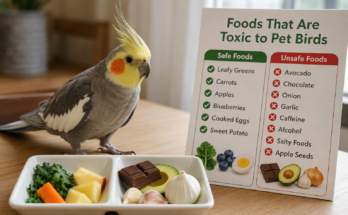
Avoid adding salt, garlic, onions, butter, oils, or spices because these ingredients can be harmful to cats.
Fresh homemade treats should be stored in the refrigerator and used within a few days.
Healthy Human Foods That Cats Can Enjoy
Some human foods are perfectly safe for cats when served in moderation.
Healthy options include:
Cooked chicken
Cooked turkey
Cooked salmon
Cooked tuna in water
Plain cooked eggs
Small pieces of cooked shrimp
These foods are rich in protein and closely match a cat’s natural diet.
Always serve them plain without sauces, seasoning, garlic, onions, or added oils.
Treats That Help With Hairballs
Hairballs are common in indoor cats because they spend a lot of time grooming themselves.
Some healthy treats contain added fiber that helps move swallowed hair through the digestive system naturally.
Pumpkin based treats and fiber enriched snacks are excellent choices for cats that frequently experience hairballs.
Proper hydration also helps reduce hairball problems.
Treats That Support Skin and Coat Health
A shiny coat usually reflects good nutrition.
Healthy treats containing omega 3 and omega 6 fatty acids help support healthy skin and soft fur.
Fish based treats made from salmon or sardines naturally provide these beneficial fats.
Many owners notice less shedding and improved coat condition after regularly feeding omega rich treats.
Low Calorie Training Treats
Treats are useful when teaching your cat new behaviors or encouraging exercise.
Choose tiny treats that contain fewer than two calories each.
You can also break larger treats into smaller pieces.
This allows you to reward your cat several times without feeding excessive calories.
Training sessions become more enjoyable while keeping your cat at a healthy weight.
Ingredients You Should Avoid
Not every ingredient belongs in your cat’s diet.
Avoid treats containing:
Artificial colors
Artificial flavors
Excessive sugar
Corn syrup
Large amounts of wheat
Soy fillers
Garlic
Onions
Chocolate
Raisins
Xylitol
Alcohol
These ingredients either provide little nutritional value or may be dangerous for cats.
Always read the ingredient label before buying new treats.
How Many Treats Should Indoor Cats Eat
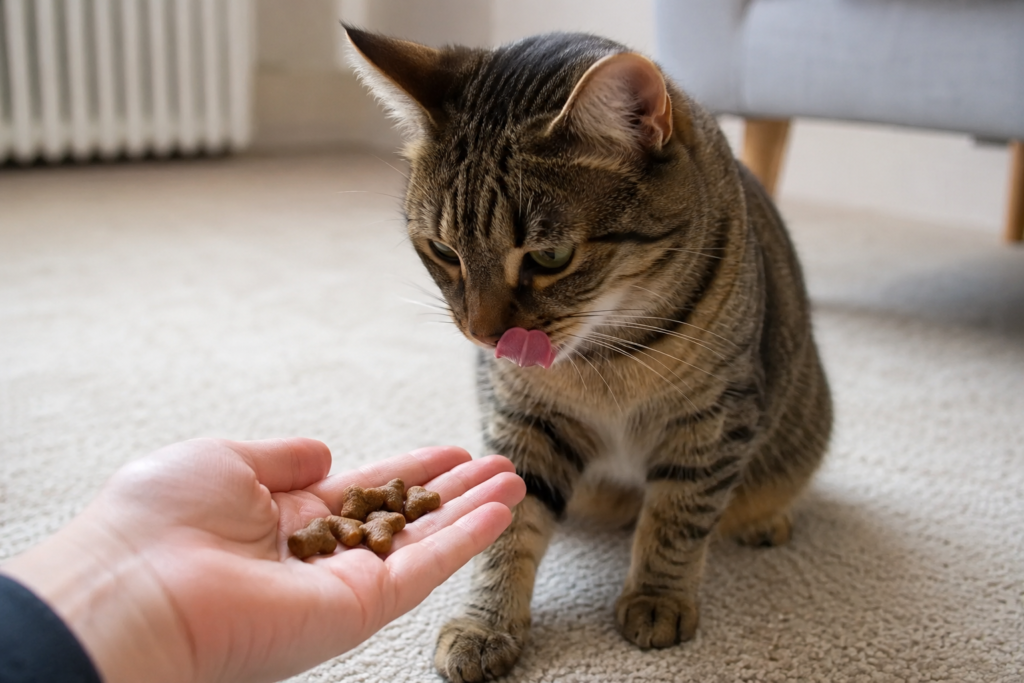
Even healthy treats should only make up a small portion of your cat’s daily food intake.
Most veterinarians recommend that treats account for no more than ten percent of daily calories.
The majority of your cat’s nutrition should come from a complete and balanced cat food.
If your cat is overweight, reduce the number of treats and increase active play sessions throughout the day.
Signs You Are Feeding Too Many Treats
Many cat owners unknowingly overfeed treats.
Watch for these warning signs:
Weight gain
Less interest in regular meals
Digestive upset
Loose stools
Constant begging for snacks
Reduced activity levels
If you notice any of these issues, reduce treat portions and focus more on interactive toys and playtime.
Tips for Giving Treats the Right Way
Treat time should be fun while supporting your cat’s health.
Offer treats after play sessions to encourage exercise.
Hide treats inside puzzle toys to keep your cat mentally stimulated.
Use treats as rewards rather than giving them randomly throughout the day.
Always provide fresh drinking water nearby.
Store treats in airtight containers to keep them fresh.
Rotate different healthy options to keep your cat interested without overfeeding one particular snack.
Frequently Asked Questions
What are the healthiest treats for indoor cats?
Freeze dried meat treats made from chicken, salmon, turkey, or rabbit are among the healthiest options because they contain high protein and very few ingredients.
Can indoor cats eat treats every day?
Yes. Healthy treats can be given daily in small amounts as long as they make up less than ten percent of your cat’s daily calorie intake.
Are homemade treats better than store bought treats?
Homemade treats can be an excellent choice because you control the ingredients. Just make sure they are made from safe foods without seasoning or harmful additives.
Can cats eat fruits as treats?
Most cats have little interest in fruit because they cannot taste sweetness. Small amounts of certain fruits are safe, but meat based treats are much healthier and more suitable.
What is the best treat for overweight indoor cats?
Low calorie freeze dried chicken or turkey treats are excellent options because they provide protein without adding unnecessary carbohydrates.
Final Thoughts
Finding the best healthy treats for indoor cats is not difficult once you know what to look for. Focus on treats made with real meat, simple ingredients, and plenty of protein. Avoid products filled with artificial additives, sugar, or unnecessary fillers that can contribute to weight gain and poor health.
Remember that treats should complement your cat’s balanced diet rather than replace it. Combined with regular play, fresh water, and high quality cat food, healthy treats can help your indoor cat stay active, maintain a healthy weight, and enjoy a long, happy life. By making smart choices today, you can reward your feline friend while supporting their overall health for years to come.