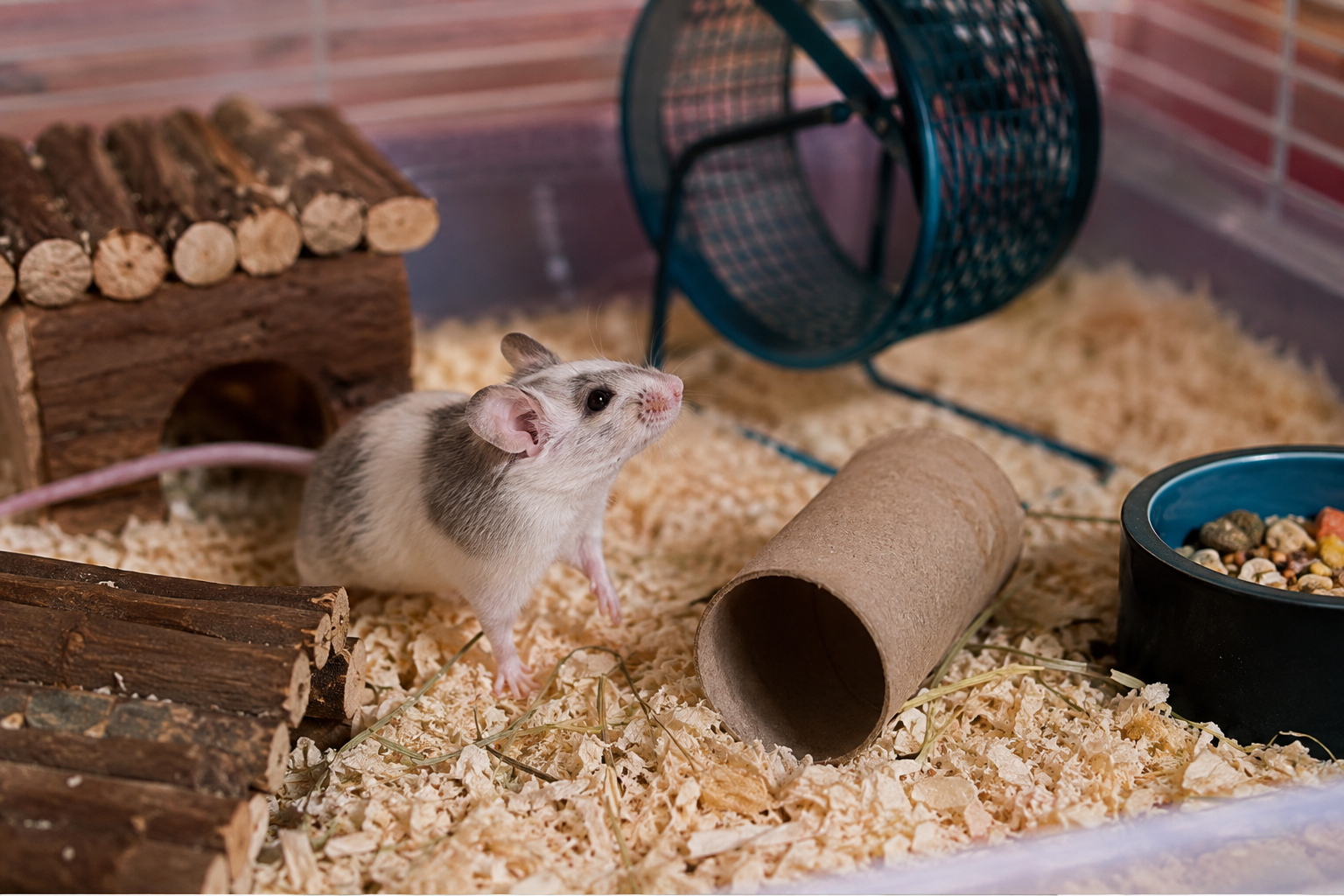
If you are thinking about getting a pet mouse, you are making a great choice. Pet mice are small, friendly, curious, and surprisingly entertaining. They do not need a huge amount of space, and with proper care, they can become active little companions that bring joy every day. However, many first time owners underestimate their needs. A healthy and happy mouse depends on the right housing, nutrition, enrichment, and daily care.
This beginner guide to caring for pet mice covers everything you need to know before bringing your new pet home. By following these simple tips, you can provide your pet mouse with a safe, comfortable, and enriching environment.
Why Pet Mice Make Great Pets
Pet mice are ideal for people who want a small pet that is easy to observe and enjoyable to care for. They are intelligent animals that love exploring, climbing, digging, and interacting with their surroundings.
They are especially suitable for apartment living because they require less space than many larger pets. Although they are not always cuddly like dogs or cats, they can learn to trust their owners with gentle handling.
Pet mice usually live between one and three years. While their lifespan is shorter than many other pets, every day with them is filled with fun and interesting behavior.
Choosing the Right Pet Mouse
Before buying a mouse, spend some time choosing a healthy one.
Look for a mouse that has
Bright and clear eyes
Smooth and clean fur
A clean nose without discharge
Normal breathing
Active and curious behavior
Avoid mice that appear sleepy, thin, or have messy fur because these could be signs of illness.
Many beginners choose female mice because they usually have less odor than males. Female mice are also social animals and are happiest when kept in pairs or small groups. Male mice often need to live alone because they may fight with other males.
Choosing the Best Cage
One of the most important parts of caring for pet mice is selecting the right cage.
A spacious cage gives mice room to exercise and express their natural behaviors. Glass tanks with proper ventilation or wire cages with narrow bar spacing both work well.
The cage should include enough space for
Sleeping
Eating
Climbing
Running
Playing
Exploring
Good airflow is essential because poor ventilation can lead to respiratory problems.
Place the cage somewhere quiet, away from direct sunlight, heaters, air conditioners, and loud televisions or speakers.
Safe Bedding for Pet Mice
Choosing the right bedding keeps your mice healthy and comfortable.
Good bedding options include
Paper based bedding
Aspen wood shavings
Hemp bedding
Avoid cedar and pine shavings because the natural oils they release may cause breathing problems.
Provide several inches of bedding so your mice can dig tunnels and create nests. Burrowing is one of their favorite natural behaviors.
Replace dirty bedding regularly while leaving a small amount of old bedding behind during full cage cleaning. This helps maintain familiar scents and reduces stress.
What Do Pet Mice Eat
A balanced diet is the foundation of good health.
The best diet for pet mice starts with a high quality commercial mouse pellet or laboratory block. These foods provide complete nutrition and prevent selective eating.
You can also offer fresh foods several times each week.
Healthy choices include
Carrots
Broccoli
Peas
Spinach
Cucumber
Bell peppers
Apples without seeds
Blueberries
Bananas in small amounts
Cooked brown rice
Oats
Small amounts of cooked chicken
Always introduce new foods slowly and remove leftovers before they spoil.
Avoid feeding chocolate, onions, garlic, raw beans, citrus fruits, sugary snacks, salty foods, alcohol, and caffeine because these can be dangerous for mice.
Fresh Water Every Day
Clean drinking water should always be available.
Most owners use a hanging water bottle because it stays cleaner than an open bowl.
Check the bottle every day to make sure it is working properly. Refill it with fresh water daily and wash it regularly to prevent bacteria from building up.
Hydration is just as important as proper nutrition.
Toys and Enrichment
Pet mice are highly intelligent animals that become bored if their environment never changes.
Providing enrichment keeps them physically active and mentally stimulated.
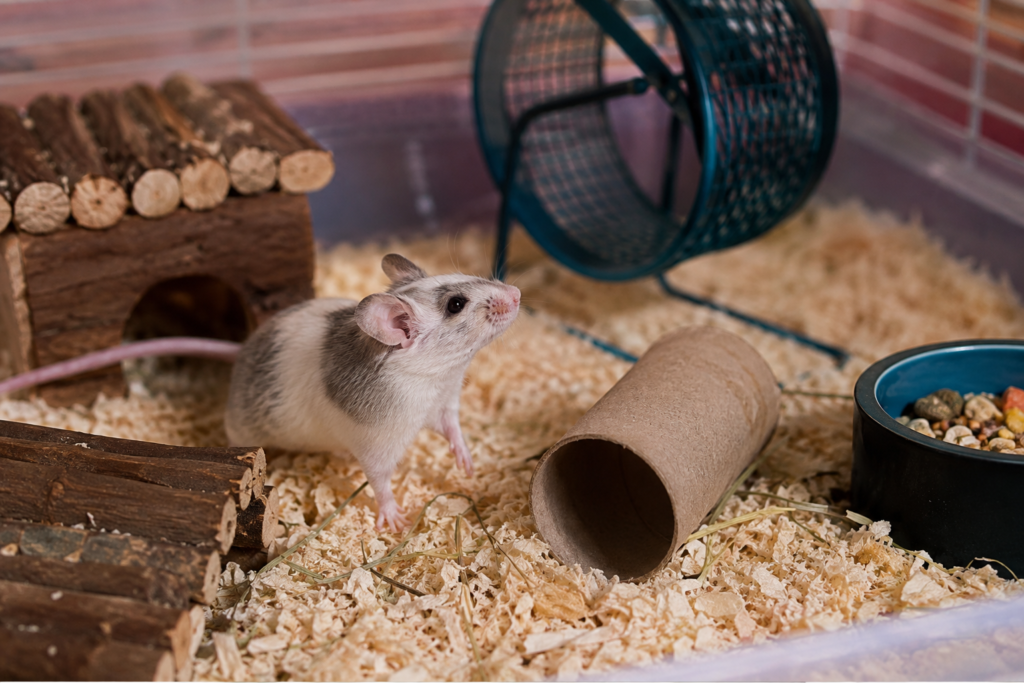
Some excellent enrichment ideas include
Cardboard tubes
Wooden chew toys
Climbing branches
Small platforms
Paper bags
Shredded paper for nesting
Safe tunnels
Digging boxes
Rotating toys every week keeps their environment interesting.
A solid exercise wheel is also an excellent addition. Choose a wheel with a solid running surface instead of wire bars to protect their tiny feet and tails.
Handling Your Pet Mouse
Many beginners worry that mice are too nervous to handle.
The truth is that mice can become comfortable with people when approached patiently.
Start by allowing your mouse to get used to your presence. Speak softly while placing your hand inside the cage.
Eventually your mouse may climb onto your hand out of curiosity.
Never grab a mouse suddenly or chase it around the cage.
Always lift it gently using both hands and support its body.
Short handling sessions every day help build trust over time.
Cleaning the Cage
Keeping the cage clean prevents illness and unpleasant odors.
Spot clean every day by removing dirty bedding and leftover food.
Perform a full cleaning about once each week.
Wash food bowls, water bottles, toys, and cage surfaces using warm water and a pet safe cleaner.
Dry everything completely before adding fresh bedding.
Avoid using strong chemicals or heavily scented cleaners because mice have sensitive respiratory systems.
Social Needs of Pet Mice
Pet mice are social creatures.
Female mice should almost always live with other females because they enjoy companionship and often sleep together.
Male mice generally prefer living alone unless they have been carefully introduced under expert supervision.
A lonely mouse may become stressed or less active.
Even when housed with other mice, regular interaction with you provides valuable enrichment.
Signs of a Healthy Mouse
Healthy mice are active, curious, and alert.
They enjoy exploring their cage, eating well, grooming themselves, and interacting with cage mates.
Watch your mouse every day so you become familiar with its normal behavior.
Early detection of health problems often leads to better treatment outcomes.
Common Health Problems
Although mice are generally hardy animals, they can develop health issues.
Some warning signs include
Sneezing
Difficulty breathing
Weight loss
Loss of appetite
Lumps
Diarrhea
Runny eyes
Runny nose
Lethargy
Poor grooming
If you notice any of these symptoms, contact a veterinarian experienced with small animals as soon as possible.
Respiratory infections are one of the most common illnesses in pet mice, so maintaining a clean cage and proper ventilation is extremely important.
Temperature and Environment
Pet mice are comfortable in moderate indoor temperatures.
Keep the cage in a room that stays between 65 and 75 degrees Fahrenheit.
Avoid sudden temperature changes because mice are sensitive to both extreme heat and cold.
Keep them away from direct sunlight, damp areas, and drafts.
A calm and stable environment helps reduce stress.
Can Pet Mice Be Litter Trained
Some pet mice naturally choose one corner of their cage as a bathroom.
You can encourage this habit by placing a small litter tray in that area.
While mice cannot be perfectly litter trained like rabbits, many owners find that they consistently use the same spot, making cage cleaning easier.
How Much Time Do Pet Mice Need
One reason pet mice are popular is that they fit well into busy lifestyles.
Daily care usually includes
Refreshing food and water
Checking their health
Spot cleaning
Providing interaction
Watching them play
Most owners spend around twenty to thirty minutes each day on direct care, plus a weekly cage cleaning session.
Although they are small, mice still need attention and mental stimulation to stay happy.
Mistakes Beginners Should Avoid
Many first time mouse owners make simple mistakes that can affect their pets.
Avoid these common problems
Buying a cage that is too small
Using unsafe bedding
Feeding too many sugary treats
Ignoring cage cleaning
Handling mice roughly
Keeping male mice together
Providing no toys or enrichment
Not visiting a veterinarian when illness appears
Learning about proper mouse care before bringing one home helps prevent these issues.
Final Thoughts
Learning the basics of caring for pet mice is easier than many people expect. With a spacious cage, nutritious food, fresh water, safe bedding, regular cleaning, and plenty of enrichment, your mice can enjoy healthy and active lives.
These tiny animals may be small, but they have big personalities. Watching them build nests, explore tunnels, climb toys, and interact with each other is incredibly rewarding. As you spend more time with them, they will become familiar with your voice and your presence, making the experience even more enjoyable.
If you are looking for an intelligent, entertaining, and low maintenance companion, pet mice are an excellent choice. By following this beginner guide to caring for pet mice, you will create a safe and loving home where your tiny pets can thrive from the very first day.