If you are thinking about bringing home a budgie, you are making a wonderful choice. Budgies are among the most popular pet birds in the world because they are friendly, intelligent, colorful, and relatively easy to care for. Even though they are small, they have big personalities and can become loving companions when treated properly.
This budgie care guide for beginners will help you understand everything you need to know before and after bringing a budgie home. From choosing the right cage to feeding, training, and keeping your bird healthy, this guide covers all the basics in simple language.
Why Budgies Make Great Pets
Budgies, also called parakeets, are perfect for first time bird owners. They are social birds that enjoy interacting with people and can even learn to mimic words and sounds. With proper care, a budgie can live between 8 and 15 years, making it a long term companion.
They are also affordable compared to many larger parrots, and they do not require as much space. However, they still need daily attention, mental stimulation, and a clean environment to stay happy.
Choosing a Healthy Budgie
The first step in proper budgie care is selecting a healthy bird.
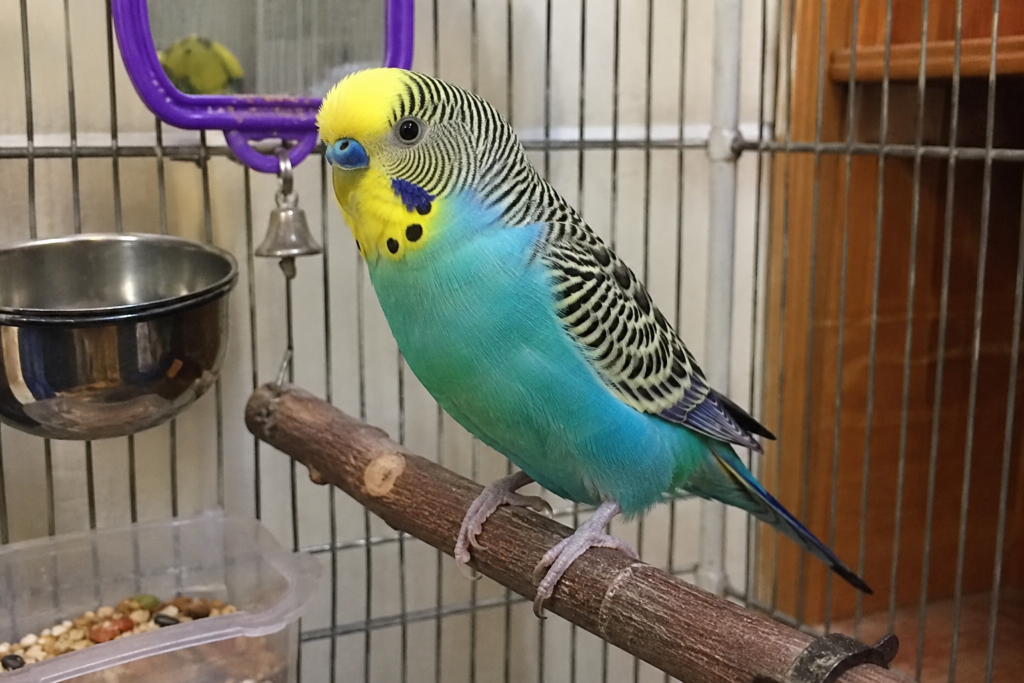
Look for a budgie that is active, curious, and alert. Its feathers should be smooth and clean without bald patches. The eyes should be bright and clear, and the beak should look normal without cracks or overgrowth.
A healthy budgie will usually move around the cage, chirp frequently, and show interest in its surroundings.
Avoid birds that appear sleepy, sit at the bottom of the cage, have dirty feathers around the vent, or show signs of breathing problems.
Setting Up the Perfect Cage
One of the most important parts of this budgie care guide for beginners is choosing the right cage.
Budgies love flying, so buy the largest cage you can comfortably fit in your home. A wider cage is much better than a tall one because budgies naturally fly from side to side.
Place the cage in a bright room where the family spends time, but avoid direct sunlight, air conditioners, kitchens, and noisy areas.
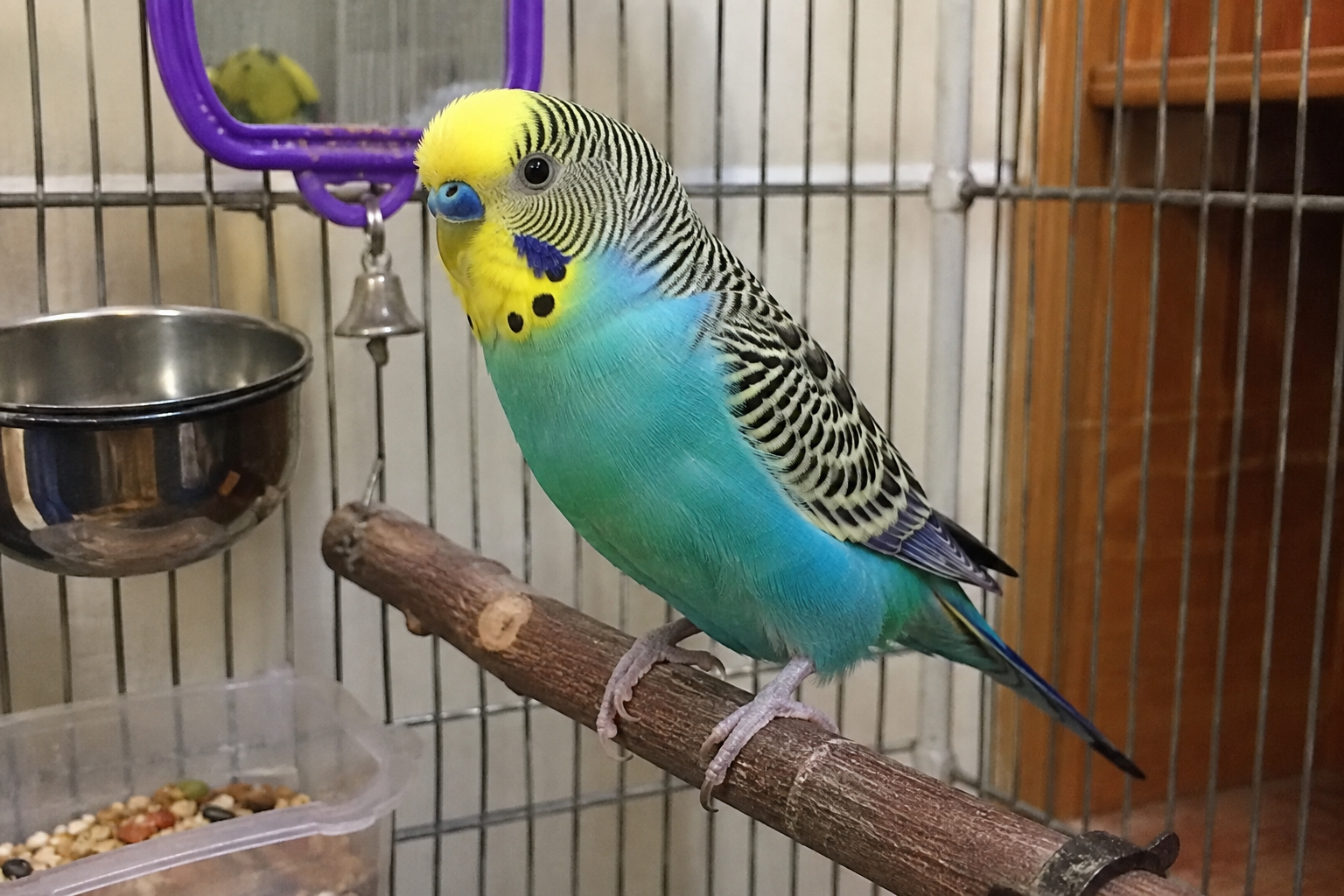
Inside the cage, include natural wood perches of different sizes to keep your bird’s feet healthy. Add food bowls, a water dish, toys, and a swing if your budgie enjoys using one.
Keep the cage away from cigarette smoke, strong perfumes, and household chemicals, as budgies have very sensitive respiratory systems.
Feeding Your Budgie Properly
A balanced diet is the foundation of good health.
Many beginners believe that budgies only need seeds, but this is a common mistake. A seed only diet lacks important nutrients and may lead to obesity and vitamin deficiencies.
A healthy budgie diet should include:
High quality pellets as the main food
Fresh vegetables like spinach, broccoli, carrots, cucumber, peas, and bell peppers
Fresh fruits in small amounts, including apples without seeds, berries, mango, and grapes
Small portions of quality seed mix as a treat
Fresh clean water every day
Never feed chocolate, avocado, onions, garlic, caffeine, alcohol, or salty snacks because these foods are toxic to budgies.
Offering different healthy foods every day helps prevent boredom and keeps your bird interested in eating.
Daily Care Routine
Creating a simple daily routine helps your budgie feel safe and comfortable.
Replace fresh water every morning.
Provide clean food.
Remove leftover fruits and vegetables after a few hours to prevent spoilage.
Spend time talking to your budgie every day. Even if your bird is not fully tame yet, hearing your voice builds trust over time.
Check the cage for any mess and clean food dishes daily.
Giving your budgie a predictable routine reduces stress and supports emotional well being.
Cleaning the Cage
A clean cage keeps your budgie healthy and prevents disease.
Replace cage liner every day.
Wash food and water bowls daily using warm water.
Clean perches regularly to remove droppings.
Once a week, remove everything from the cage and wash the entire cage using bird safe cleaning products or mild soap followed by thorough rinsing.
Avoid using harsh chemicals or strong disinfectants because their fumes can harm your bird.
Giving Your Budgie Exercise
Budgies need regular exercise to stay physically and mentally healthy.
If your home is safe, allow your budgie supervised time outside the cage each day. Close windows, turn off ceiling fans, and remove other pets before letting your bird fly.
Flying helps strengthen muscles, improves heart health, and prevents obesity.
If outside cage time is not possible every day, make sure your budgie has plenty of room inside the cage to climb and move around.
Toys and Mental Stimulation
Budgies are intelligent birds that become bored easily.
Provide several toys to encourage natural behaviors like chewing, climbing, and exploring.
Good toy choices include:
Wooden chew toys
Natural rope toys
Foraging toys
Small bells
Ladders
Swings
Rotate toys every week to keep your budgie interested.
A bored budgie may develop unwanted habits such as feather plucking or excessive screaming.
Social Interaction
Budgies are naturally social animals.
They enjoy spending time with their owners and often bond closely with family members.
Talk to your budgie throughout the day. Speak gently and use your bird’s name often.
Some owners keep two budgies together so they always have company. While this reduces loneliness, two birds may bond more strongly with each other than with people.
If you only keep one budgie, spend quality time with it every day.
Taming Your Budgie
Patience is the key to building trust.
Allow your budgie several days to adjust to its new home before attempting to handle it.
Sit near the cage and talk softly every day.
Offer healthy treats like millet through the cage bars.
Once your budgie seems comfortable, slowly place your hand inside the cage without making sudden movements.
Eventually encourage your bird to step onto your finger using gentle encouragement and rewards.
Never force your budgie to interact because this may damage trust.
Bathing Your Budgie
Budgies enjoy keeping themselves clean.
Offer a shallow dish of clean water several times a week so your bird can bathe.
Some budgies also enjoy being lightly misted with lukewarm water.
Bathing helps maintain healthy feathers and reduces dust.
Always allow your budgie to dry naturally in a warm room.
Recognizing Signs of Illness
Budgies often hide illness until they become seriously sick.
Watch for warning signs such as:
Loss of appetite
Fluffed feathers for long periods
Sleeping more than usual
Difficulty breathing
Tail bobbing
Watery droppings
Weight loss
Lack of energy
If you notice any of these symptoms, contact an avian veterinarian as soon as possible.
Early treatment often leads to better recovery.
Sleep Requirements
Budgies need about 10 to 12 hours of uninterrupted sleep every night.
Place the cage in a quiet area during bedtime.
Many owners partially cover the cage with a breathable cloth to reduce light and noise.
A consistent sleep schedule helps reduce stress and supports overall health.
Common Beginner Mistakes
Many new owners accidentally make simple mistakes that affect their budgie’s health.
Feeding only seeds
Buying a cage that is too small
Ignoring daily interaction
Not providing enough toys
Skipping regular cleaning
Using scented candles or air fresheners near the bird
Allowing unsafe free flight without preparing the room
Avoiding these mistakes will help your budgie live a healthier and happier life.
Can Budgies Learn to Talk?
One of the most exciting things about budgies is their ability to mimic human speech.
Young budgies usually learn words more easily than older birds.
Repeat simple words every day using a cheerful voice.
Keep training sessions short and consistent.
While not every budgie learns to talk, many become excellent mimics with patience and regular practice.
Final Thoughts
Following this budgie care guide for beginners will help you provide your feathered friend with a safe, healthy, and loving home. Budgies may be small, but they require proper nutrition, regular exercise, mental stimulation, and daily interaction to thrive.
When you invest time in caring for your budgie, you will be rewarded with a cheerful companion that can brighten your home with playful behavior, sweet chirping, and endless personality. With patience, consistency, and proper care, your budgie can become a trusted friend for many happy years.