Choosing the right bird cage size is one of the most important decisions you will make as a bird owner. Many people focus on the color or style of a cage, but the size matters much more than the appearance. A bird spends a large part of its life inside its cage, so it should have enough room to move, stretch its wings, climb, and play comfortably.
A properly sized cage keeps your bird physically active, mentally healthy, and less stressed. On the other hand, a cage that is too small can lead to boredom, obesity, feather plucking, and even health problems. If you are wondering how to choose the right bird cage size, this guide will help you understand everything you need to know before buying one.
Why Bird Cage Size Matters
Birds are naturally active animals. Even small pet birds enjoy flying short distances, climbing from perch to perch, and exploring their surroundings. When they are kept in a cramped cage, they cannot perform these natural behaviors.
A spacious cage allows your bird to move freely throughout the day. It also provides enough room for toys, food bowls, water dishes, swings, and multiple perches without making the cage feel crowded.
Giving your bird enough living space improves its quality of life and reduces stress. It also makes cleaning and organizing the cage much easier for the owner.
Bigger Is Usually Better
One of the biggest mistakes new bird owners make is buying the smallest cage recommended for their bird species. While minimum cage sizes exist, choosing a larger cage is almost always a better decision if you have enough space at home.
A larger cage provides extra room for exercise and enrichment. Birds that spend several hours alone during the day especially benefit from having more space.
Even if your bird is allowed outside the cage every day, it should still have a comfortable cage where it can play, rest, and feel safe.
Think About Your Bird’s Wingspan
When learning how to choose the right bird cage size, your bird’s wingspan is more important than its body size.
Your bird should be able to fully stretch both wings without touching the sides of the cage. It should also have enough room to hop or fly between perches.
Birds with long tails also need additional vertical space to avoid damaging their tail feathers.
Choose Width Before Height
Many first time bird owners assume taller cages are automatically better. In reality, width is often more important than height.
Most pet birds naturally fly from side to side instead of straight up and down. A wider cage gives them more horizontal flying space.
Height is still valuable because birds enjoy climbing, but when comparing two cages, choosing the wider one is usually the better option.
Recommended Bird Cage Sizes
Different bird species require different cage sizes. Here are general recommendations for common pet birds.
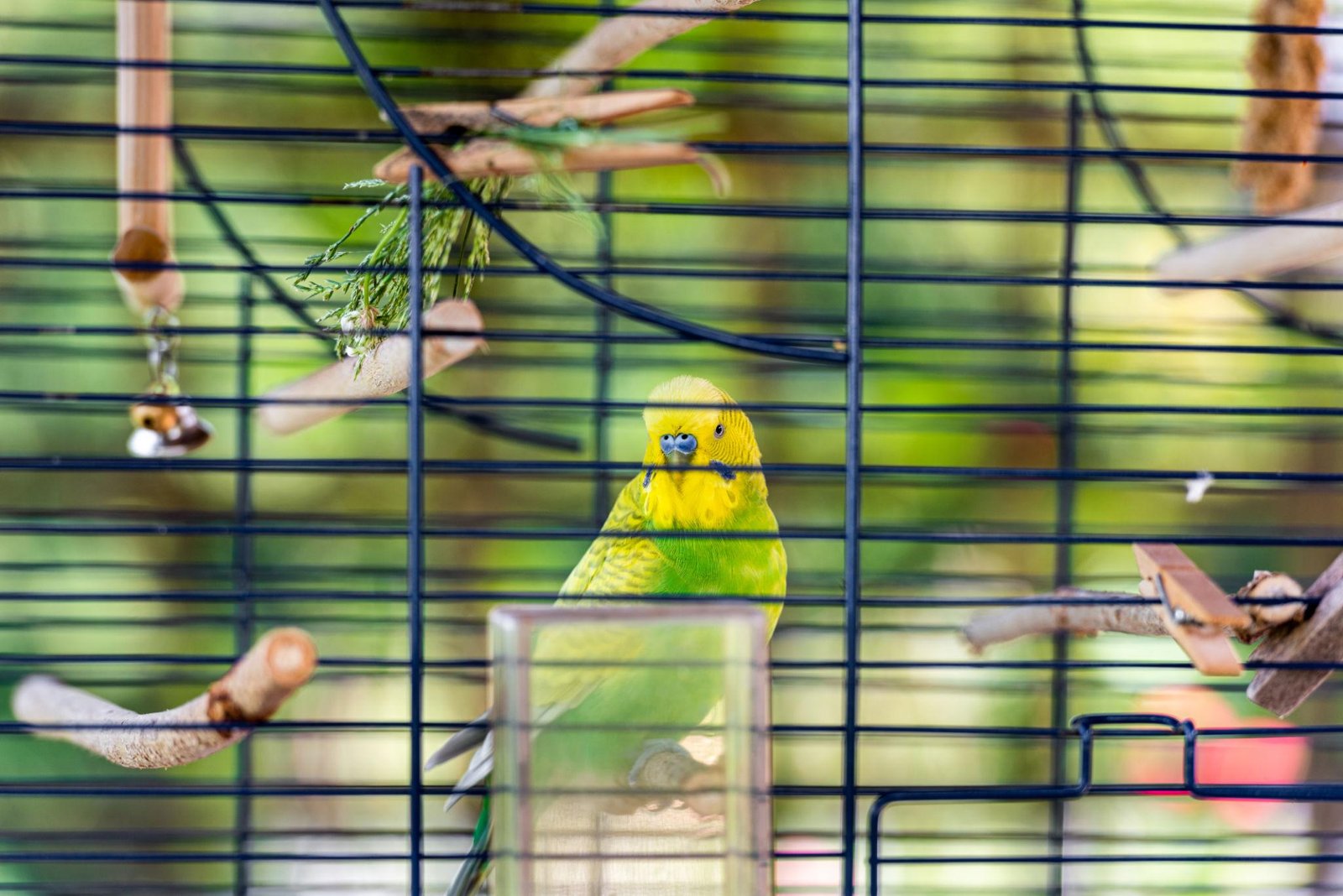
Budgies
Budgies are active little birds that love flying.
A cage measuring at least 30 inches wide, 18 inches deep, and 18 inches high works well for one or two budgies. Larger cages are always preferred because budgies enjoy short flights.
Cockatiels
Cockatiels have longer tails and larger wings than budgies.
A cage around 24 inches wide, 24 inches deep, and 30 inches high gives them enough room to climb and stretch comfortably.
Lovebirds
Lovebirds are playful and energetic.
A cage measuring about 24 inches wide, 18 inches deep, and 24 inches high provides a comfortable living space.
Conures
Conures are medium sized parrots with high energy levels.
Choose a cage that is at least 30 inches wide, 24 inches deep, and 36 inches high. More space is always better for these active birds.
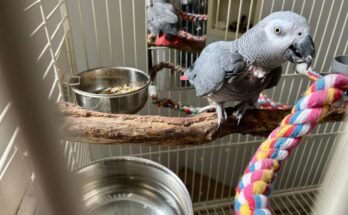
African Grey Parrots
African Grey parrots are intelligent birds that require plenty of room.
A cage measuring at least 36 inches wide, 24 inches deep, and 48 inches high is recommended. Many owners choose even larger cages for better comfort.
Macaws
Macaws are among the largest pet birds available.
They need very spacious cages with enough room to climb, spread their wings, and play. Many macaw owners invest in custom cages because standard models may not provide enough space.
Consider the Number of Birds
If you plan to keep more than one bird in the same cage, you must increase the cage size.
Two birds need significantly more room than one bird. They should be able to move around without constantly invading each other’s personal space.
Adding more birds without increasing cage size often leads to stress, territorial behavior, and fighting.
Leave Room for Accessories
Your bird’s cage will contain much more than just the bird itself.
You will need food dishes, water bowls, natural perches, toys, ladders, swings, cuttlebones, and sometimes bathing dishes.
If the cage is already small before adding these items, your bird will quickly lose valuable living space.
A larger cage allows you to arrange accessories without creating a cluttered environment.
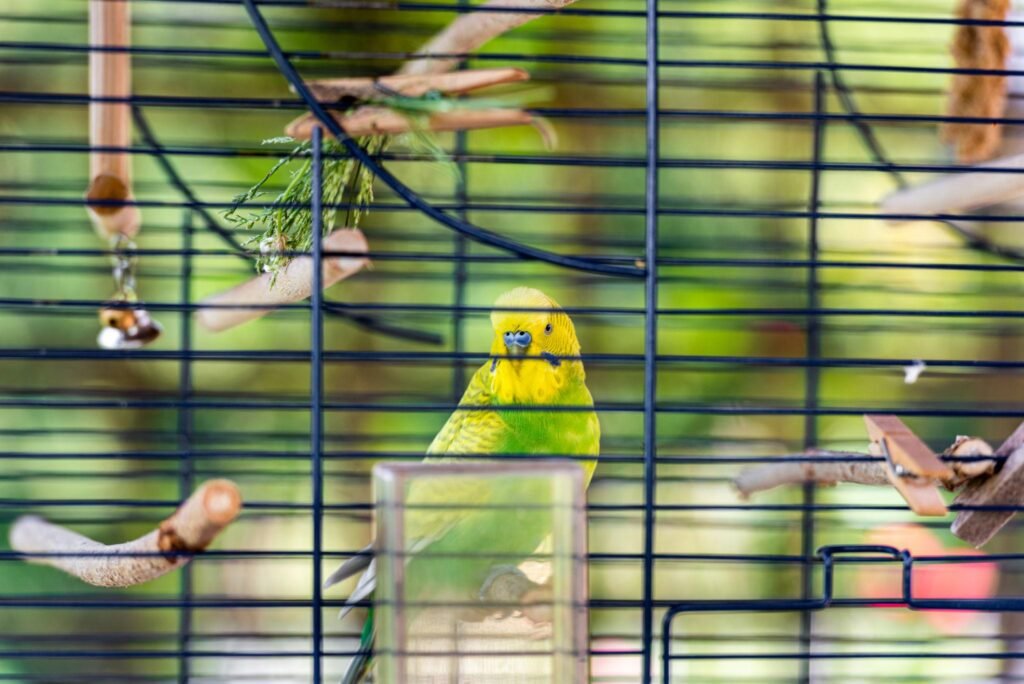
Bar Spacing Is Just as Important
Choosing the right bird cage size also means selecting the proper bar spacing.
Bars that are too wide can be dangerous because small birds may get their heads stuck.
General recommendations include:
Small birds like finches and canaries need narrow bar spacing.
Budgies and lovebirds require slightly wider spacing.
Large parrots can safely use wider bar spacing because they have larger heads and stronger bodies.
Always check the manufacturer’s recommendation for your bird species.
Think About Future Growth
If you are buying a young bird, remember that it may grow larger depending on the species.
Buying a slightly bigger cage from the beginning often saves money because you will not need to upgrade later.
Many bird owners eventually replace small starter cages with larger ones after realizing their birds need more room.
Indoor Space Matters
Before purchasing a cage, measure the available space in your home.
The cage should fit comfortably without blocking walkways or doors.
Place it in a bright room with natural light but avoid direct sunlight for long periods.
Keep the cage away from kitchens, air conditioners, heating vents, and drafty windows.
A calm environment helps your bird feel secure and relaxed.
Easy Cleaning Is Important
A large cage should also be easy to clean.
Look for removable trays, wide access doors, and smooth surfaces that wipe clean easily.
Regular cleaning keeps your bird healthy and prevents bacteria from building up.
A clean cage also creates a more pleasant environment for both you and your pet.
Signs Your Bird Cage Is Too Small
Sometimes bird owners already have a cage but wonder if it is large enough.
Here are a few signs the cage may be too small.
Your bird cannot fully spread its wings.
Its tail feathers rub against the bars.
The cage feels crowded after adding toys and perches.
Your bird rarely moves around.
It shows signs of boredom or feather plucking.
It frequently climbs the bars because there is little room to exercise.
If you notice these problems, upgrading to a larger cage can greatly improve your bird’s happiness.
Common Mistakes to Avoid
Many beginners buy decorative cages instead of practical ones. Fancy designs may look attractive, but they often reduce usable space.
Another mistake is filling every corner with toys. Birds need open areas where they can move freely.
Some owners also choose cages based only on price. While budget matters, investing in a quality cage usually provides better durability, safety, and comfort.
Finally, avoid buying a cage that only meets the absolute minimum size recommendation. Whenever possible, choose the next larger option.
Creating a Comfortable Bird Home
The right bird cage size is only one part of creating a healthy environment.
Provide natural wood perches of different sizes to support healthy feet.
Rotate toys every few weeks to prevent boredom.
Offer fresh food and clean water every day.
Allow supervised time outside the cage whenever possible.
Spend time interacting with your bird daily because social interaction is just as important as physical space.
A happy bird is one that receives proper care, exercise, and attention.
Final Thoughts
Understanding how to choose the right bird cage size is essential for every bird owner. A spacious cage supports your bird’s physical health, mental stimulation, and overall happiness. Instead of choosing the smallest cage that fits your budget, invest in the largest high quality cage your home and finances allow.
Remember to consider your bird’s wingspan, activity level, species, and the number of birds you plan to keep. Make sure there is enough room for toys, perches, food dishes, and comfortable movement.
A well chosen cage becomes more than just a place where your bird lives. It becomes a safe and enriching home where your feathered companion can thrive for many years. By choosing the right bird cage size from the start, you give your bird the best possible foundation for a healthy and enjoyable life.