If you are looking for a small, colorful, and easy to care for pet bird, finches are one of the best choices. They are active, peaceful, and entertaining to watch throughout the day. Unlike parrots, finches do not need constant handling or attention, making them ideal for busy people and first time bird owners.
This Finch Care Guide for Beginners will help you understand everything you need to know before bringing a finch home. From choosing the right cage to feeding, cleaning, and keeping your birds healthy, this guide covers all the basics in simple language.
Why Finches Make Great Pets
Finches are small birds known for their cheerful behavior and beautiful colors. They are social animals that enjoy living with other finches. Instead of bonding closely with humans through handling, they entertain their owners with their flying, chirping, and playful interactions.
Many beginners choose finches because they are relatively low maintenance compared to larger pet birds. They require a clean environment, fresh food, clean water, and enough space to fly. When these basic needs are met, finches can live happy and healthy lives for many years.
Choosing the Right Finch
There are several types of pet finches, but some are easier for beginners than others.
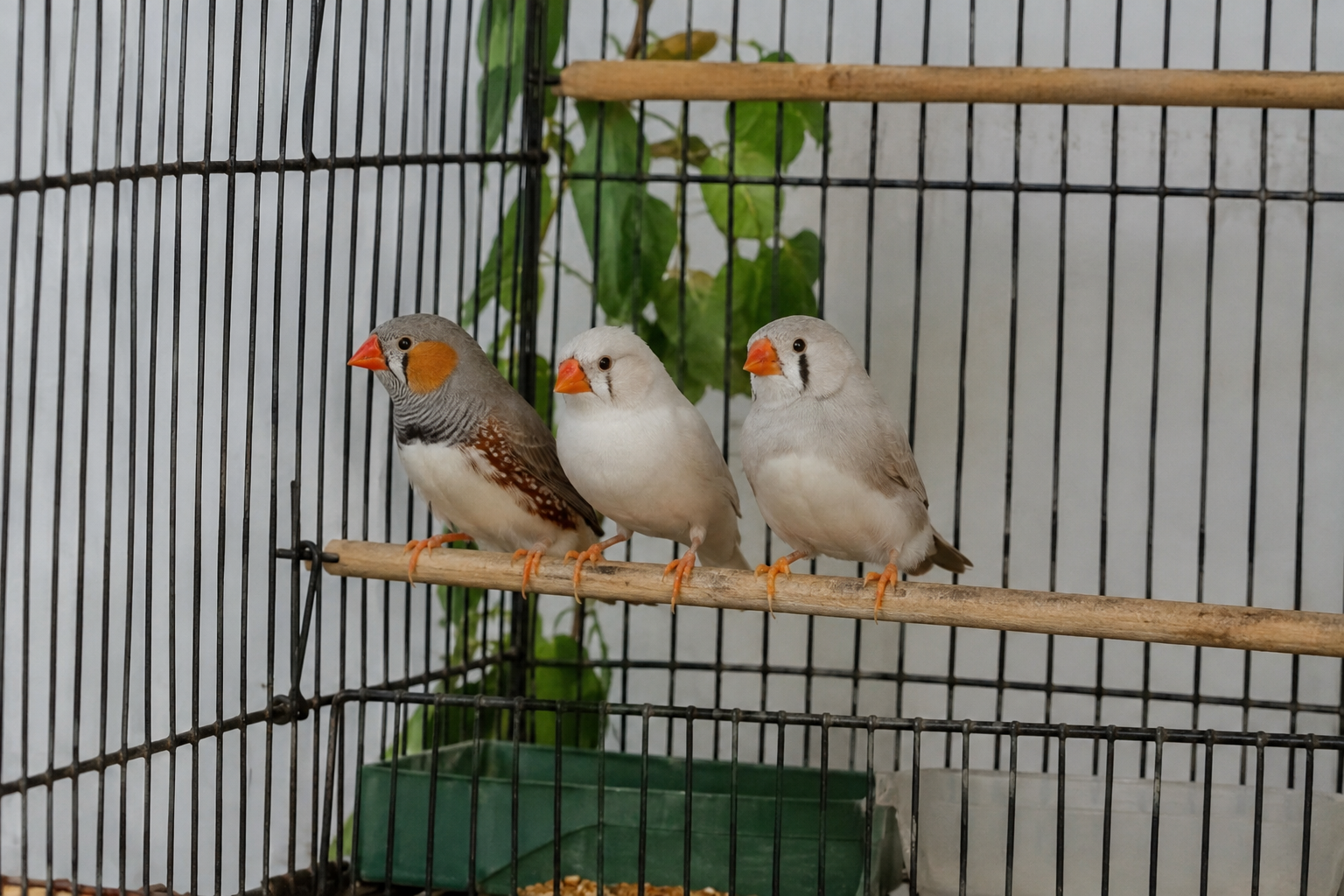
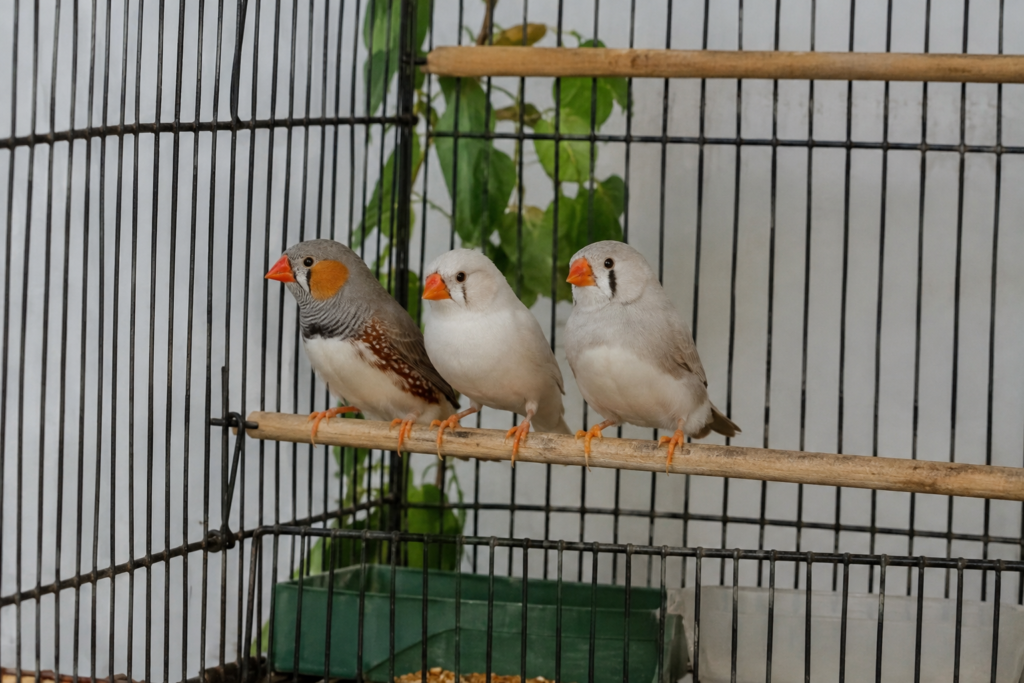
Zebra Finches are the most popular choice because they are hardy, friendly with other finches, and easy to care for.
Society Finches are another excellent option. They are calm, social, and get along well with other birds.
Gouldian Finches are known for their stunning colors but may need a little more care than Zebra or Society Finches.
If you are buying your first pet finch, healthy birds should have bright eyes, smooth feathers, clean feet, and active behavior. Avoid birds that appear sleepy, fluffed up, or have dirty feathers around the vent.
Choosing the Best Cage
One of the most important parts of finch care is selecting the right cage. Since finches love flying from one side to another, a wider cage is much better than a tall cage.
A cage that is at least 30 inches wide provides enough room for a pair of finches to exercise comfortably. If you plan to keep more birds, choose an even larger cage.
The spacing between the bars should be narrow enough to prevent birds from escaping. Around half an inch is usually ideal for most finch species.
Place the cage in a bright room with natural daylight but keep it away from direct sunlight, strong winds, air conditioners, and kitchen smoke.
Should Finches Live Alone?
Finches are naturally social birds. They are happiest when living with at least one companion. A single finch may become lonely and less active over time.
Keeping a pair of finches is usually the best choice for beginners. If you do not want baby birds, consider keeping two females or ask the breeder for same gender birds.
Watching finches interact with each other is one of the biggest joys of owning them.
Setting Up the Cage
A comfortable cage setup keeps finches healthy and active.
Provide several natural wood perches with different thicknesses to help exercise their feet.
Place food and water dishes where birds can easily reach them without getting droppings inside.
Include a shallow bird bath because finches enjoy bathing several times each week.
Add a few safe toys such as swings or small hanging toys, but avoid overcrowding the cage. Finches need open space for flying.
Use bird safe cage liners or plain paper at the bottom to make daily cleaning easier.
Best Diet for Finches
A balanced diet is essential for healthy feathers, strong immunity, and long life.
A high quality finch seed mix should form the main part of their diet. Many owners also provide finch pellets to improve nutrition.
Fresh vegetables should be offered several times each week. Safe choices include spinach, broccoli, carrots, cucumber, lettuce, and peas.
Small portions of fruit such as apples, bananas, berries, and pears can be given as occasional treats.
Fresh water should always be available. Replace it every day even if it appears clean.
Finches also need a calcium source. A cuttlebone or mineral block helps keep their bones and beaks healthy.
Avoid feeding chocolate, avocado, onions, garlic, caffeine, alcohol, salty snacks, or sugary foods because these can be dangerous for birds.
Daily Care Routine
A simple daily routine helps your finches stay healthy.
Check that every bird is active and eating normally.
Replace food and water with fresh supplies.
Remove leftover fruits and vegetables before they spoil.
Clean obvious droppings from perches if needed.
Spend a few minutes quietly observing your birds. Changes in behavior are often the first sign of illness.
Even though finches do not enjoy handling like parrots, they still benefit from your calm presence.
Cleaning the Cage
Cleanliness plays a major role in preventing disease.
Replace the cage liner every day.
Wash food bowls and water dishes daily with warm water.
Clean perches every week.
Once a week, remove all accessories and thoroughly clean the cage using bird safe cleaning products or a vinegar and water solution.
Dry everything completely before placing your birds back inside.
A clean cage reduces bacteria, parasites, and unpleasant odors.
Temperature and Lighting
Finches prefer stable temperatures between 18 and 26 degrees Celsius.
Avoid sudden temperature changes and keep them away from cold drafts.
Natural daylight is beneficial, but direct afternoon sunlight should be avoided.
Finches also need regular sleep. Around 10 to 12 hours of darkness every night helps maintain good health.
If your home stays bright late into the evening, covering part of the cage with a breathable cloth can help create a peaceful sleeping environment.
Signs of a Healthy Finch
Healthy finches are easy to recognize.
They remain active throughout the day.
Their feathers are smooth and clean.
Their eyes appear bright and alert.
They chirp regularly.
They eat and drink normally.
Their droppings have a consistent appearance.
A healthy finch spends much of the day flying, exploring, and interacting with other birds.
Common Health Problems
Like all pets, finches can become sick.
Watch for warning signs such as sitting quietly for long periods, fluffed feathers, difficulty breathing, weight loss, diarrhea, loss of appetite, or discharge from the eyes and nose.
Birds naturally hide illness, so even small changes should be taken seriously.
If your finch shows any of these symptoms, contact an avian veterinarian as soon as possible. Early treatment often gives the best results.
Can You Train a Finch?
Finches are not known for tricks or talking like parrots.
However, they can become comfortable around people if treated gently.
Move slowly near the cage and avoid sudden loud noises.
Offer food at the same time each day so they become familiar with your routine.
Over time, your birds will feel safe and behave naturally even when you are nearby.
Breeding Advice for Beginners
Many beginner owners accidentally encourage breeding without realizing it.
If you are not planning to raise baby finches, avoid placing nesting materials or nest boxes inside the cage.
A balanced diet, proper lighting, and companionship are enough for happy birds without encouraging breeding behavior.
If you decide to breed finches later, learn about proper nesting, chick care, and nutrition before starting.
How Long Do Finches Live?
With proper care, most pet finches live between 5 and 10 years. Some can live even longer with excellent nutrition, a clean environment, and regular health care.
Providing fresh food, clean water, enough flying space, and companionship significantly increases their quality of life.
Tips for First Time Finch Owners
Start with a pair of healthy finches instead of one.
Choose a wide cage with plenty of flying space.
Feed a balanced diet of quality seeds, pellets, vegetables, and occasional fruit.
Provide fresh water every day.
Keep the cage clean and dry.
Avoid loud environments and sudden temperature changes.
Observe your birds daily for any changes in behavior.
Visit an avian veterinarian if you notice signs of illness.
Final Thoughts
This Finch Care Guide for Beginners covers the essential steps needed to keep these charming birds healthy and happy. Finches may not enjoy being handled like parrots, but they reward their owners with beautiful songs, colorful feathers, and fascinating social behavior.
With the right cage, a nutritious diet, regular cleaning, and companionship, your finches can thrive for many years. Whether you choose Zebra Finches, Society Finches, or another popular variety, providing consistent daily care will help your birds enjoy a long, active, and comfortable life. If you are searching for an easy pet bird that brings life and beauty into your home, finches are an excellent choice for beginners.