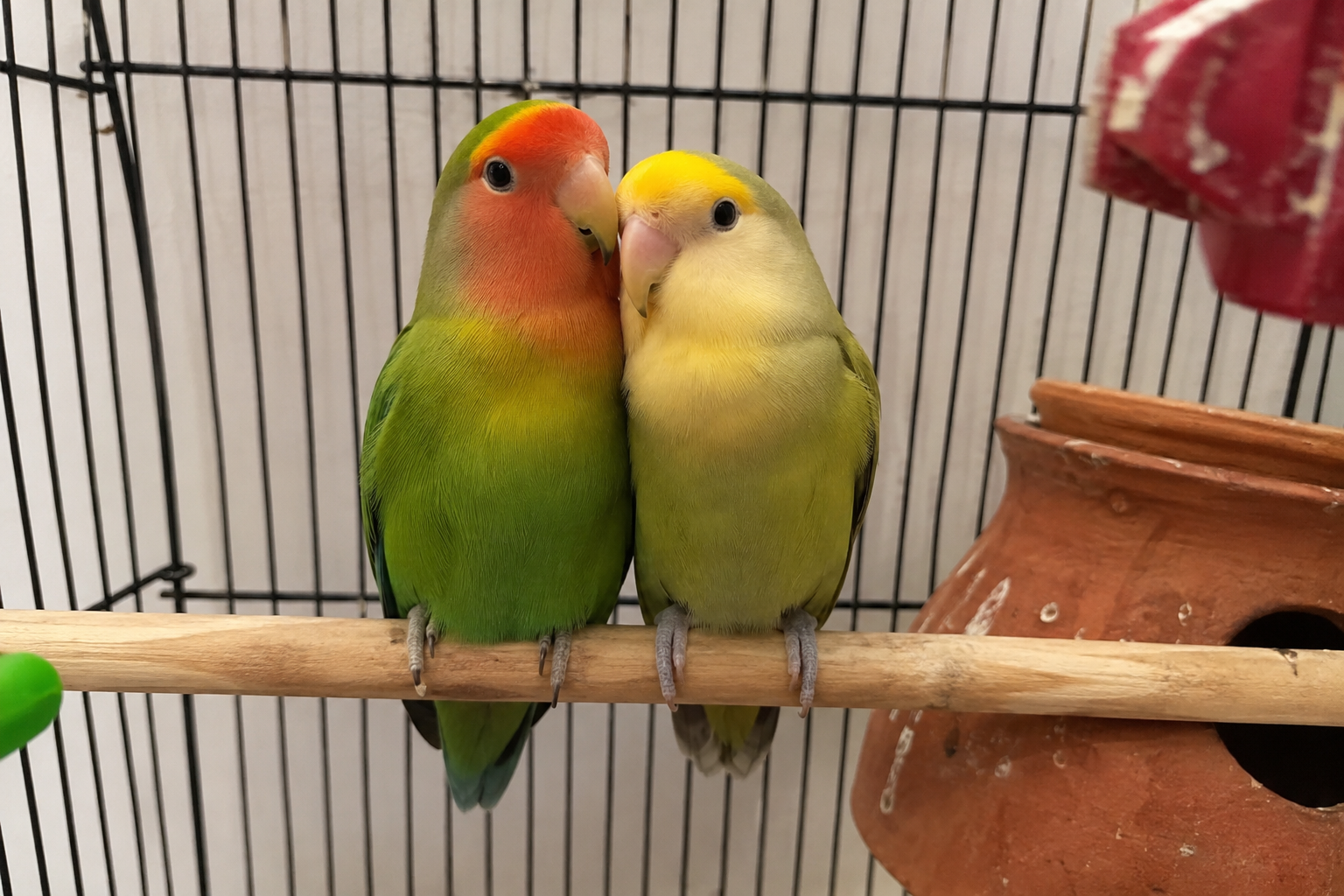
If you are looking for a colorful, playful, and affectionate pet bird, a lovebird is one of the best choices. These small parrots are full of personality and can become wonderful companions when they receive proper care. Many beginners choose lovebirds because of their beautiful feathers, active nature, and intelligence. However, they also require daily attention, a healthy diet, and a clean environment to stay happy.
This lovebird care guide for beginners will help you understand everything you need to know before bringing a lovebird home. From choosing the right cage to feeding, training, and maintaining good health, this guide covers all the essential information.
Why Lovebirds Make Great Pets
Lovebirds are small parrots that belong to the Agapornis family. They are famous for their strong social bonds and playful behavior. Despite their small size, they have big personalities and enjoy interacting with their owners.
One reason beginners love these birds is their curiosity. They enjoy exploring toys, climbing, and learning simple tricks. With regular handling, many lovebirds become friendly and comfortable around people.
Lovebirds usually live between 10 and 15 years, and some can live even longer with excellent care. Owning one is a long term commitment, so it is important to understand their needs before bringing one home.
Choosing a Healthy Lovebird
The first step in successful lovebird care is selecting a healthy bird.
A healthy lovebird should have bright eyes, smooth feathers, clean nostrils, and an active personality. It should be alert and curious rather than sitting quietly with puffed up feathers.
Avoid birds that appear weak, sleepy, or have dirty feathers around the vent area. These can be signs of illness.
Buying from a trusted breeder or a reputable pet store increases your chances of getting a healthy bird.
Choosing the Right Cage
A proper cage is one of the most important parts of beginner lovebird care.
Although lovebirds are small, they are extremely active. They need enough space to climb, flap their wings, and move comfortably.
Choose a cage that is at least 24 inches wide, 18 inches deep, and 24 inches tall. Bigger cages are always better because they allow more exercise.
The cage should have horizontal bars for climbing and should be made from bird safe materials.
Place the cage in a bright room with natural daylight but keep it away from direct sunlight, air conditioners, and kitchen fumes.
Lovebirds enjoy being around their family, so placing the cage where people spend time helps prevent loneliness.
Cage Setup for Comfort
A good cage setup keeps your lovebird active and mentally stimulated.
Include several natural wooden perches with different thicknesses to support healthy feet.
Provide food bowls, a clean water dish, and a cuttlebone for calcium.
Lovebirds also enjoy swings, ladders, ropes, and chew toys. Rotating toys every few weeks keeps them interested and prevents boredom.
Avoid overcrowding the cage with too many accessories because your bird still needs space to fly and move freely.
Best Diet for Lovebirds
A balanced diet is the foundation of good lovebird health.
Many beginners think seeds alone are enough, but that is not true. Seeds are high in fat and should only be one part of the diet.
A healthy lovebird diet should include high quality pellets, fresh vegetables, fruits, and a small amount of seeds.
Fresh vegetables such as spinach, broccoli, carrots, peas, bell peppers, and leafy greens provide essential vitamins.
Safe fruits include apples without seeds, bananas, grapes, berries, papaya, and mango.
Fresh water should always be available and replaced every day.
Avoid feeding chocolate, avocado, onion, garlic, alcohol, caffeine, salty foods, or sugary snacks because these foods are toxic to birds.
Daily Exercise and Out of Cage Time
Lovebirds need daily exercise to stay healthy and avoid obesity.
Allow your bird to spend at least one or two hours outside the cage every day in a safe room.
Close all windows and doors before letting your bird out. Turn off ceiling fans and remove dangerous objects.
Provide climbing stands and bird safe toys during playtime.
Exercise strengthens muscles, improves mental health, and reduces destructive behaviors.
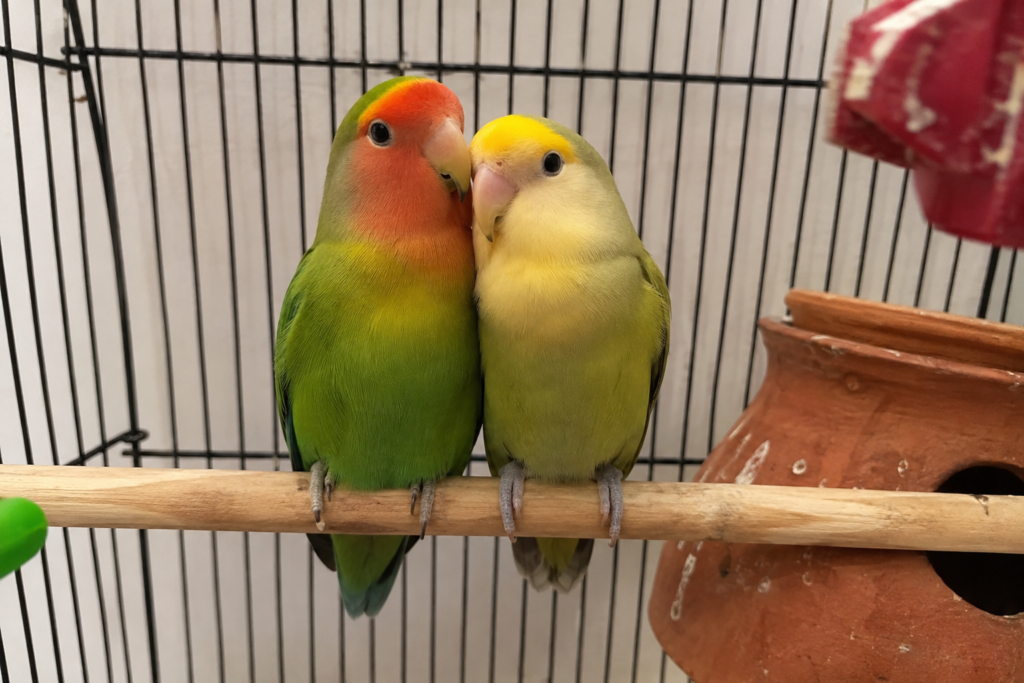
Social Interaction and Bonding
Lovebirds are highly social birds.
Even if they live alone, they need regular interaction with their owner.
Spend time talking, playing, or gently handling your bird every day.
Building trust takes patience. Never force your bird to step onto your hand. Instead, offer treats and allow it to approach at its own pace.
Positive experiences help create a stronger relationship.
If you own two lovebirds, they may bond closely with each other, but they can still enjoy human interaction if handled regularly.
Training Your Lovebird
Training is an enjoyable part of caring for a lovebird.
Begin with simple commands like stepping onto your finger.
Use positive reinforcement by rewarding good behavior with praise or healthy treats.
Keep training sessions short, around five to ten minutes, to maintain your bird’s attention.
Never punish your bird because it creates fear and damages trust.
With patience, many lovebirds can learn simple tricks, target training, and even return when called.
Keeping Your Lovebird Mentally Stimulated
Lovebirds are intelligent birds that need daily mental stimulation.
Without enough entertainment, they may become bored and develop unwanted behaviors like feather plucking or excessive screaming.
Provide puzzle toys, shredding toys, climbing ropes, and chewable wooden toys.
Changing toy positions and introducing new toys every few weeks keeps your bird curious and active.
Talking to your lovebird and teaching new activities also improves mental health.
Grooming and Hygiene
Lovebirds naturally keep themselves clean, but they still need help with grooming.
Offer a shallow dish of clean water or lightly mist your bird with water several times each week.
Bathing keeps feathers clean and supports healthy skin.
Trim nails only when necessary and preferably with guidance from an experienced bird veterinarian.
Do not clip wings unless recommended for safety, and always seek professional assistance if needed.
Cleaning the Cage
A clean cage prevents illness and creates a healthier living environment.
Replace food and water daily.
Remove leftover fruits and vegetables after a few hours to prevent spoilage.
Clean the cage floor every day by replacing the paper lining.
Wash food bowls, water dishes, and perches regularly.
Perform a deep cage cleaning once each week using bird safe cleaning products.
Keeping the cage clean reduces bacteria and unpleasant odors.
Common Health Problems
Knowing the signs of illness helps you respond quickly.
Healthy lovebirds are active, alert, and curious.
Watch for symptoms such as loss of appetite, breathing difficulty, fluffed feathers, watery droppings, weight loss, or unusual sleeping.
If your bird shows any of these signs, contact an avian veterinarian immediately.
Birds often hide illness until they become seriously sick, so early treatment is extremely important.
Sleep Requirements
Lovebirds need around 10 to 12 hours of uninterrupted sleep every night.
Lack of sleep can cause stress, aggression, and health problems.
Keep the cage in a quiet place during bedtime.
Some owners cover the cage with a breathable cloth at night to reduce distractions and help the bird rest peacefully.
Preventing Stress
Stress can negatively affect your lovebird’s health.
Sudden changes in routine, loud noises, poor nutrition, loneliness, and lack of exercise can all increase stress levels.
Maintain a consistent daily schedule.
Provide regular interaction, nutritious food, and enough playtime.
A relaxed bird is more likely to remain healthy and friendly.
Creating a Safe Home Environment
Lovebirds are naturally curious and love exploring.
Keep toxic plants, electrical wires, candles, air fresheners, cigarette smoke, and household chemicals away from your bird.
Never allow your lovebird near hot stoves, boiling water, or open windows.
Always supervise out of cage playtime to prevent accidents.
Bird proofing your home greatly reduces the risk of injury.
Is a Lovebird the Right Pet for You?
Lovebirds are excellent pets for people who have enough time to interact with them every day.
They are affectionate, entertaining, and intelligent companions.
However, they are not low maintenance pets. They require daily attention, proper nutrition, regular exercise, and mental stimulation.
If you can provide consistent care, your lovebird can become a loyal companion for many years.
Final Thoughts
This lovebird care guide for beginners covers the essential steps needed to raise a healthy and happy pet. Choosing a spacious cage, feeding a balanced diet, providing daily exercise, offering mental stimulation, and maintaining proper hygiene are all important parts of responsible lovebird care.
With patience, kindness, and consistent attention, your lovebird will develop trust and become an affectionate member of your family. Whether you are a first time bird owner or simply learning more about these wonderful parrots, following these care tips will help your lovebird enjoy a long, active, and healthy life.