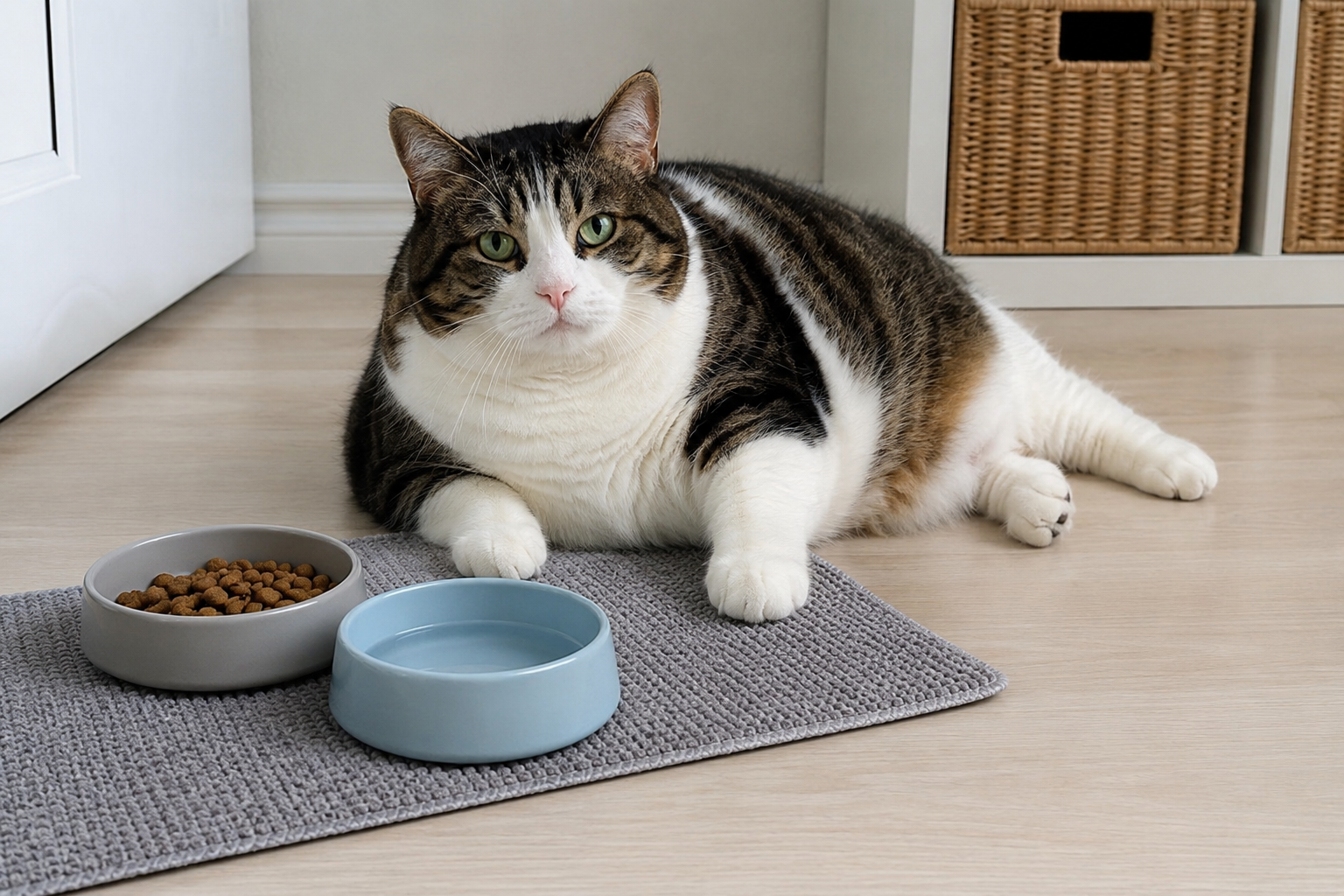
If your cat spends most of the day indoors, gaining weight can happen much faster than you think. Limited exercise, frequent treats, and overeating often lead to obesity, which increases the risk of diabetes, arthritis, heart disease, and other health problems. Choosing the best diet for overweight indoor cats is one of the most effective ways to help your feline friend lose extra pounds while staying healthy and active.
A proper weight loss plan is not about feeding less food without thinking. It is about providing balanced nutrition, controlling calories, and encouraging healthy eating habits. In this guide, you will learn how to choose the right food, create a feeding schedule, and support safe weight loss for your indoor cat.
Why Indoor Cats Become Overweight
Indoor cats usually have a comfortable lifestyle. They sleep more, move less, and have constant access to food. Unlike outdoor cats, they do not spend time hunting, climbing, or exploring large areas.
Some common reasons indoor cats become overweight include:
- Free feeding throughout the day
- High calorie dry food
- Too many treats
- Lack of physical activity
- Age related slower metabolism
- Neutering or spaying
- Overfeeding based on incorrect portion sizes
Understanding these causes is the first step toward choosing the best diet for overweight indoor cats.
Why Maintaining a Healthy Weight Matters
Extra body weight affects almost every part of a cat’s body. Even a few extra pounds can put unnecessary stress on joints and internal organs.
Healthy weight management helps reduce the risk of:
- Diabetes
- High blood pressure
- Arthritis
- Liver disease
- Heart problems
- Breathing difficulties
- Reduced lifespan
Helping your cat reach a healthy weight also improves energy levels and overall quality of life.
What Makes the Best Diet for Overweight Indoor Cats
Not every cat food marketed for weight control is actually a good choice. The best diet should contain balanced nutrients while keeping calories under control.
Look for these qualities.
High Protein Content
Cats are obligate carnivores. Their bodies need animal protein to build muscles and maintain energy during weight loss.
High quality protein sources include:
- Chicken
- Turkey
- Salmon
- Tuna
- Duck
Protein also helps cats feel full longer, reducing unnecessary hunger between meals.
Moderate Fat Levels
Fat is an important energy source, but too much can quickly increase calorie intake. Choose foods with moderate fat instead of extremely high fat formulas.
Healthy fats also support skin, coat, and brain health.
Low Carbohydrates
Cats naturally require fewer carbohydrates than humans or dogs. Many inexpensive dry foods contain large amounts of corn, wheat, rice, or potatoes.
Lower carbohydrate diets help support healthy weight management and may improve blood sugar control.
High Moisture Content
Wet food contains much more water than dry kibble. This helps cats stay hydrated and often keeps them feeling full with fewer calories.
Many veterinarians recommend including wet food as part of the best diet for overweight indoor cats.
Fiber for Fullness
Fiber slows digestion and helps cats stay satisfied between meals.
Good fiber sources include:
- Pumpkin
- Beet pulp
- Pea fiber
The goal is moderate fiber rather than excessive amounts.
Wet Food vs Dry Food
Many cat owners wonder whether wet food or dry food is better for weight loss.
Wet food usually contains fewer calories per serving because of its high moisture content. It can help cats feel full while naturally increasing water intake.
Dry food is convenient and can support dental health, but it is often more calorie dense. Portion control becomes especially important when feeding kibble.
Many owners successfully combine both wet and dry food to provide balanced nutrition while controlling daily calories.
How Much Should an Overweight Indoor Cat Eat
The amount of food depends on several factors including:
- Current weight
- Ideal weight
- Age
- Activity level
- Health conditions
- Type of food
Instead of guessing, follow the feeding guide on the food package as a starting point and adjust based on your veterinarian’s recommendations.
Avoid reducing food too quickly because rapid weight loss can be dangerous for cats.
Best Feeding Schedule
A regular feeding routine helps prevent overeating.
A simple schedule may include:
Morning meal
Small afternoon meal
Evening meal
Instead of leaving food available all day, measure each portion carefully.
Cats usually respond well to predictable meal times.
Healthy Treat Options
Treats should make up no more than ten percent of your cat’s daily calories.
Better treat choices include:
Small pieces of cooked chicken
Freeze dried meat treats
Tiny portions of cooked turkey
Small bits of cooked fish
Avoid feeding:
Cheese
Processed meats
High calorie commercial treats
Human snacks
Sweet foods
Foods to Avoid
Certain foods make weight loss much more difficult.
Limit or avoid:
High calorie dry kibble
Foods with excessive fillers
Sugary treats
Table scraps
Fried foods
Fatty meats
Large amounts of dairy products
Even healthy foods can cause weight gain if portions are too large.
Portion Control Tips
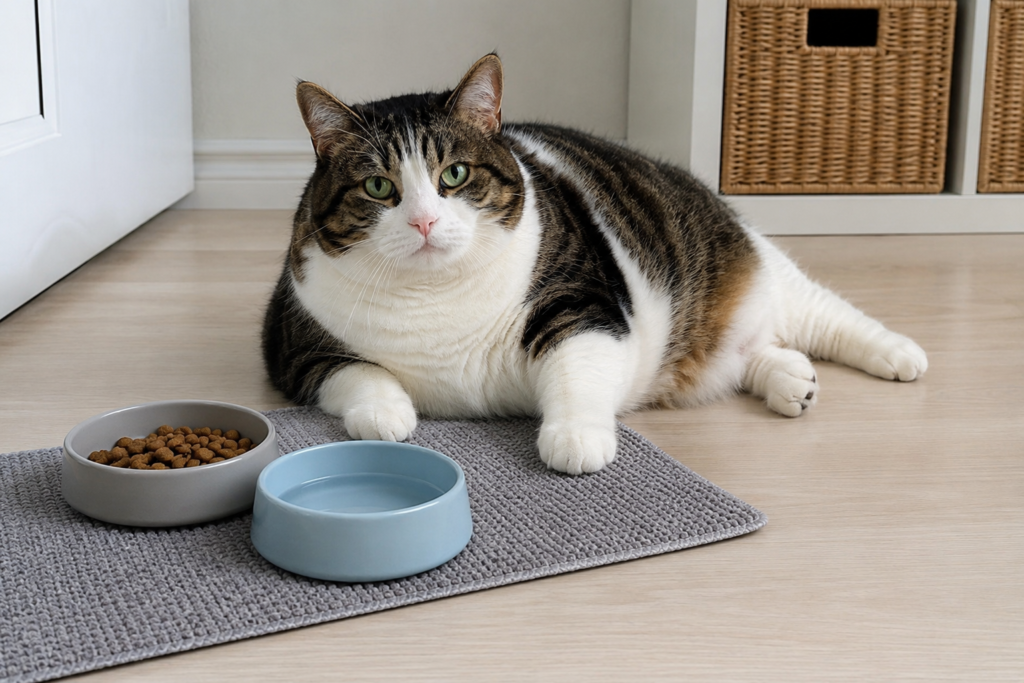
One of the biggest mistakes owners make is estimating portions instead of measuring them.
Use a measuring cup or digital kitchen scale to provide consistent servings.
Helpful tips include:
Measure every meal
Avoid refilling bowls automatically
Track daily calorie intake
Reduce treats if meals increase
Keep feeding times consistent
Small changes can make a big difference over several months.
Encourage More Activity
Diet works best when combined with exercise.
Indoor cats can become surprisingly active with the right toys.
Good activities include:
Laser pointer sessions
Feather wand games
Interactive puzzle feeders
Cat tunnels
Climbing trees
Treat balls
Daily play sessions of fifteen to twenty minutes can help burn calories while strengthening your bond with your cat.
Weight Loss Should Be Slow
Many owners expect fast results, but healthy weight loss takes time.
Most veterinarians recommend gradual weight reduction rather than rapid dieting.
Slow weight loss helps preserve muscle while reducing body fat safely.
Regular weigh ins every few weeks can help monitor progress.
Signs Your Cat Is Losing Weight Safely
Healthy progress includes:
Improved energy
More playful behavior
Easier movement
Visible waistline
Less belly fat
Steady weight reduction
If your cat suddenly stops eating or loses weight very quickly, contact your veterinarian immediately.
Common Feeding Mistakes
Many loving owners accidentally contribute to weight gain.
Common mistakes include:
Leaving food available all day
Giving frequent treats
Feeding based on begging
Using food as a reward
Ignoring calorie content
Not measuring portions
Avoiding these habits makes long term weight management much easier.
Choosing the Right Cat Food Label
Reading labels helps you make smarter decisions.
Look for foods that list real meat as the first ingredient.
Choose products that provide:
High protein
Moderate fat
Controlled calories
Quality ingredients
Complete and balanced nutrition
Avoid foods with excessive fillers and unnecessary artificial additives whenever possible.
Transitioning to a New Diet
Changing food suddenly may upset your cat’s stomach.
Instead, switch gradually over seven to ten days.
Mix increasing amounts of the new food with the old food until the transition is complete.
This gradual approach helps prevent digestive problems while allowing your cat to adjust to the new taste.
Monitoring Your Cat’s Progress
Weight loss should be monitored regularly.
Keep a simple record of:
Body weight
Daily food intake
Activity level
Body condition
Appetite
Taking monthly photos can also help you notice physical improvements that may not be obvious day to day.
Frequently Asked Questions
Is wet food better for overweight indoor cats?
Wet food is often a good choice because it contains fewer calories per serving and provides extra moisture. Many overweight cats benefit from eating more wet food as part of a balanced diet.
Can indoor cats lose weight with dry food?
Yes. Weight loss is possible with dry food if portions are carefully measured and calorie intake stays within the recommended range.
How long does weight loss take?
Every cat is different. Many cats require several months to safely reach a healthy weight. Slow progress is healthier than rapid weight loss.
Should I stop giving treats?
No. Treats can still be part of the diet if given in small amounts and included within the daily calorie limit.
Final Thoughts
Choosing the best diet for overweight indoor cats is one of the greatest gifts you can give your feline companion. Healthy weight management is not about starving your cat or following extreme diets. It is about feeding high quality protein, controlling calories, providing balanced nutrition, and encouraging regular activity.
With patience, consistent portion control, and a healthy feeding routine, your indoor cat can gradually lose excess weight and enjoy a longer, happier, and more active life. Small daily improvements often lead to lasting results, making every meal an opportunity to support your cat’s overall health and wellbeing.